
How to Choose an Authentic Indian Snack Store

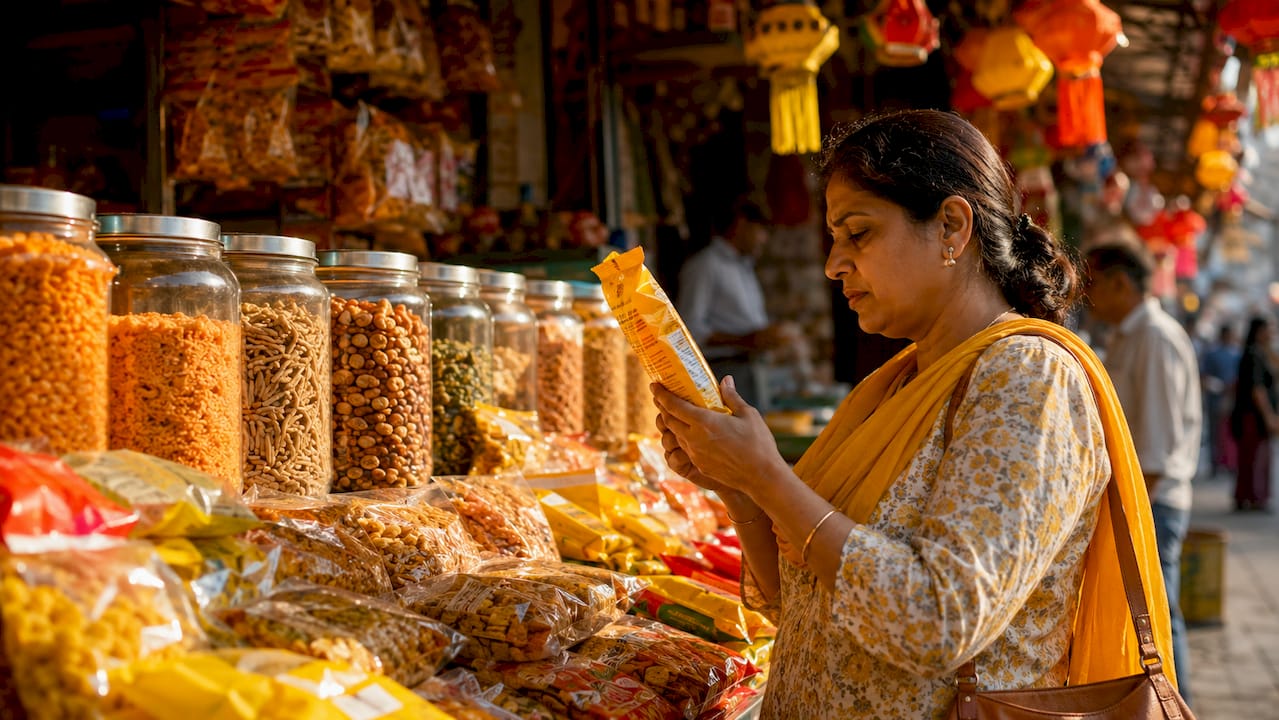
An authentic Indian snack store is defined by three non-negotiable qualities: transparent ingredients, traditional preparation methods, and verifiable regional sourcing. Knowing how to choose an authentic Indian snack store saves you from settling for mass-produced imitations that look the part but taste nothing like the real thing. Brands like Haldiram’s and Bikanervala have set the standard for decades, but the market is now full of options that borrow their aesthetic without matching their substance. This guide gives you the exact criteria to spot the real deal every time.
1. What ingredient quality reveals about authenticity
The ingredient list is the fastest way to judge any Indian snack. Authentic snack producers use short lists built around traditional bases: chickpea flour, rice flour, lentils, and whole spices. That simplicity is not a limitation. It is proof that the recipe relies on real flavor rather than chemical shortcuts.
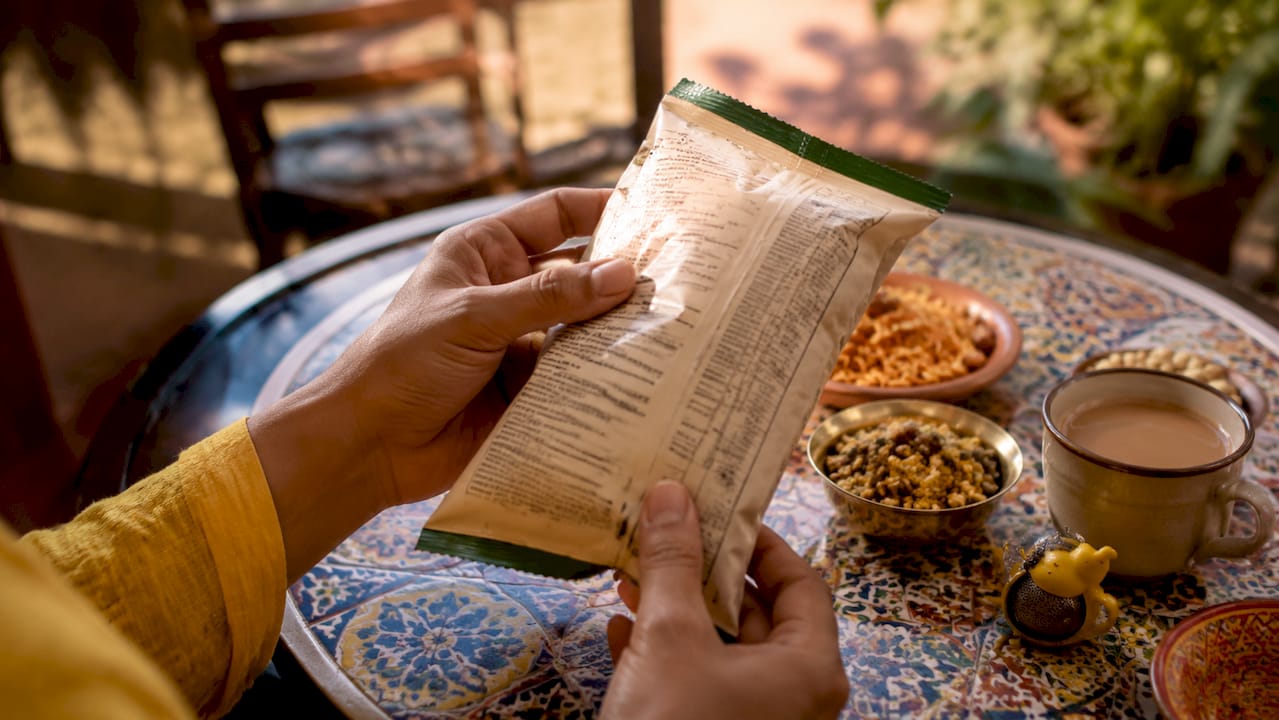
Watch for red flags in the ingredient panel. Hydrogenated oils, artificial colors, and long strings of emulsifiers all signal industrial processing. A genuine murukku or chakli should list rice flour, urad dal, sesame seeds, and maybe cumin. If you see more than ten ingredients, ask why.
Short, simple ingredient lists without artificial food colorings are a hallmark of authentic Indian snacks. That standard applies whether you are buying from a local South Asian supermarket or ordering online.
Look for chickpea flour, lentils, rice flour, and whole spices as base ingredients
Avoid products listing hydrogenated oils or artificial colors near the top of the label
Count the ingredients: fewer than eight is a strong positive signal
Check for pure oils like sunflower or groundnut oil rather than blended vegetable fat
Pro Tip: Flip the bag before you buy. Ingredients are listed by weight, so whatever appears first dominates the product. If refined flour or palm oil leads the list on a snack that claims to be “traditional,” put it back.
2. How traditional preparation signals real quality
Preparation method separates a home-style snack from a factory product. Authentic Indian snack stores prioritize handmade or small-batch production over industrial processing. The difference shows up immediately in texture and flavor. Hand-rolled mathri has an irregular, slightly uneven surface. Machine-pressed mathri is perfectly uniform and noticeably blander.
Regional sourcing matters just as much as technique. A store that sources ajwain from Rajasthan or curry leaves from Tamil Nadu is making a deliberate choice to preserve flavor integrity. Generic spice blends from bulk suppliers cannot replicate that. Ask the store or brand where their spices come from. A confident, specific answer is a good sign.
Look for these indicators when assessing a store’s commitment to traditional methods:
Producer or maker information on the packaging (a named kitchen, a family producer, or a specific region)
Small-batch or handcrafted language that is backed by visible production details, not just marketing copy
Certifications or quality marks from recognized bodies, which signal accountability
Freshness dates that suggest recent production rather than extended shelf life from preservatives
Desimunchiess, for example, uses handcrafted production methods specifically to preserve the freshness and bold flavor that mass production strips away. That approach is a useful benchmark when comparing other brands. You can read more about traditional snack making techniques to understand what genuine preparation actually looks like.
3. Recognizing trusted brands and stores
Brand reputation is a useful starting point, but it is not the whole story. Leading brands like Haldiram’s, Bikanervala, and Gits have built their reputations on consistent quality and traditional recipes. They are reliable benchmarks. The problem is that consumers often stop there and miss excellent smaller producers who match or exceed that quality.
Here is a practical framework for evaluating any brand or store:
Check production origin. Does the brand name a specific city, region, or production facility? Vague claims like “made with Indian spices” are not the same as “made in Bikaner using stone-ground flour.”
Read customer reviews carefully. Positive word-of-mouth and consistent praise for flavor and freshness are strong trust signals. One-off complaints matter less than patterns.
Look for quality certifications. FSSAI certification in India or equivalent food safety marks in the US signal that a producer meets documented standards.
Compare online stores with local South Asian supermarkets. Both have strengths. Local stores in cities like Toronto carry broad regional variety that reflects genuine Indian culinary diversity. Online stores offer convenience and often better freshness control through careful packaging.
Ask about restocking frequency. A store that restocks weekly is more likely to carry fresh product than one that orders monthly.
4. Online platforms vs. local stores: which is more authentic?
Both options can deliver authentic Indian snacks. The right choice depends on what you prioritize. Online platforms like Patel Brothers, iShopIndian, and DesiBasket maintain freshness through careful packaging and give you access to regional specialties that your local area may not stock. Local South Asian supermarkets let you inspect packaging directly and often carry products from smaller regional producers.
Feature | Online stores | Local South Asian stores |
Freshness control | Sealed packaging, shorter supply chain | Depends on store turnover |
Regional variety | High, especially for specialty items | High in cities with large Indian communities |
Ingredient verification | Easy: read the product page before buying | Easy: read the label in store |
Price | Competitive, but shipping adds cost | Generally lower for staple items |
Authenticity indicators | Producer info, certifications visible online | Can ask staff directly |
Shelf life is the key concern with online orders. A snack with a six-month shelf life almost certainly contains preservatives. Authentic snacks made with pure oils and no artificial additives typically last four to eight weeks. That shorter window is actually a quality signal.
Pro Tip: When buying online, filter by production date if the platform allows it. Freshly made snacks shipped within a week of production taste noticeably different from stock that has been sitting in a warehouse.
For a curated list of top snacks available online, Desimunchiess has done the sourcing work for you.
5. Regional snack variety as an authenticity indicator
India’s snack culture is not monolithic. Authenticity is often signaled by regional variety that reflects specific North and South Indian culinary traditions. A store that carries only one style of namkeen is not showing you the full picture.
North Indian snacks tend to feature chickpea flour, ghee, and warming spices like cumin and ajwain. Think bikaneri bhujia, mathri, or aloo bhujia. South Indian snacks lean on rice flour, lentils, and curry leaves, producing snacks like murukku, ribbon pakoda, and mixture. These are distinct flavor profiles rooted in distinct culinary traditions.
Seek out stores that stock both North and South Indian varieties as a sign of genuine sourcing breadth
Look for lesser-known regional items like Gujarati fafda, Bengali jhalmuri mix, or Maharashtrian chivda
A store that can name the region of origin for its products is demonstrating real knowledge
Variety without depth is a warning sign: fifty products that all taste the same suggest a single industrial supplier
Exploring lesser-known Indian snack types is one of the best ways to test whether a store truly understands Indian snack culture. If they carry only the top ten most popular items, they are curating for mass appeal, not authenticity.
6. What packaging and labeling tell you
Packaging communicates more than most shoppers realize. Authentic producers invest in clear, honest labeling because they have nothing to hide. Look for a named producer, a specific production location, and a best-by date that reflects a realistic shelf life for the product type.
Avoid products with vague country-of-origin claims or no producer address at all. A label that says “Product of India” with no further detail is less trustworthy than one that names a specific city and production facility. The more specific the information, the more accountable the producer.
Resealable packaging is a practical quality signal for snacks that are not individually portioned. It shows the producer cares about the product staying fresh after you open it. Flimsy single-layer bags with no reseal option suggest cost-cutting that often extends to the ingredients themselves.
7. How customer reviews reveal store quality
Customer reviews and word-of-mouth are among the most reliable tools for finding trustworthy snack retailers. Look for patterns, not outliers. A store with 200 reviews averaging four stars, where reviewers consistently mention fresh flavor and accurate regional taste, is a stronger bet than a store with ten five-star reviews and no detail.
Pay attention to negative reviews too. Complaints about stale product, misleading descriptions, or poor packaging are serious red flags. One or two complaints in a large review pool are normal. Repeated complaints about the same issue are not.
Social media is an underused research tool for this purpose. Indian food communities on platforms like Reddit and Facebook groups dedicated to South Asian cooking are candid about which stores and brands deliver genuine quality. Those communities have no incentive to promote bad products.
Key takeaways
Choosing an authentic Indian snack store requires checking ingredient transparency, confirming traditional preparation methods, and verifying regional sourcing before you buy.
Point | Details |
Read ingredient labels first | Short lists with chickpea flour, lentils, and whole spices signal authenticity. |
Prioritize small-batch production | Handcrafted or small-batch snacks deliver fresher flavor than industrial alternatives. |
Use brand reputation as a starting point | Haldiram’s and Bikanervala are reliable benchmarks, but small regional producers often match their quality. |
Check regional variety | Stores stocking both North and South Indian specialties demonstrate genuine sourcing knowledge. |
Verify shelf life | Authentic snacks without preservatives last four to eight weeks, not six months. |
What I have learned from years of choosing Indian snack stores
Most shoppers make the same mistake: they trust the brand name and skip the label. I did it too, for longer than I care to admit. The turning point was buying a well-known namkeen from a major retailer and comparing it side by side with a small-batch version from a regional producer. The difference in flavor was not subtle. It was the difference between a snack made with care and one made for shelf stability.
The insight that changed how I shop is this: consumers often rely solely on brand familiarity, but true authenticity requires assessing regional ingredient sourcing and handcrafted preparation. That is not a criticism of big brands. It is a reminder that the criteria for authenticity are specific and learnable.
My practical advice: start with the ingredient list, then look at the shelf life, then read reviews from people who grew up eating these snacks. Their palates are calibrated to the real thing. If they say it tastes like home, believe them. If they say it tastes “close enough,” keep looking.
Small regional brands are worth the extra effort to find. They are often the ones preserving recipes that larger producers have simplified for scale. Desimunchiess is a good example of a brand that has stayed committed to heritage Indian snack recipes rather than chasing volume. That commitment shows up in every bite.
— Shivam
Authentic Indian snacks, delivered fresh by Desimunchiess
Desimunchiess was built for shoppers who want the real thing. Every product is freshly made using handcrafted methods and traditional recipes, with bold flavors that taste like home cooking, not a factory floor.
We use short ingredient lists, pure oils, and regional spices because that is what genuine Indian snacking tastes like. No fillers, no artificial colors, no shortcuts. Our curated snack selection brings together North and South Indian specialties in one place, so you get real variety without the guesswork of hunting across multiple stores. Fresh, honest, and made with love in every batch.
FAQ
What makes an Indian snack store authentic?
An authentic Indian snack store uses traditional ingredients like chickpea flour, lentils, and whole spices, and prioritizes handcrafted or small-batch preparation over industrial processing.
How do I find authentic Indian snacks online?
Look for online retailers that list producer information, show realistic shelf lives of four to eight weeks, and carry regional varieties from both North and South India.
Are big brands like Haldiram’s always authentic?
Haldiram’s and Bikanervala maintain consistent quality and use traditional recipes, making them reliable choices. Smaller regional producers often deliver equally authentic flavors with even fresher batches.
What ingredients should I avoid in Indian snacks?
Avoid products listing hydrogenated oils, artificial colors, or more than ten ingredients. These additions signal industrial processing rather than traditional preparation.
How does regional variety signal authenticity?
A store stocking both North Indian snacks like bikaneri bhujia and South Indian snacks like murukku demonstrates genuine sourcing knowledge and respect for India’s snack diversity.
Recommended
Comments