
Indian Snack Brand Comparison Online: 2026 Guide

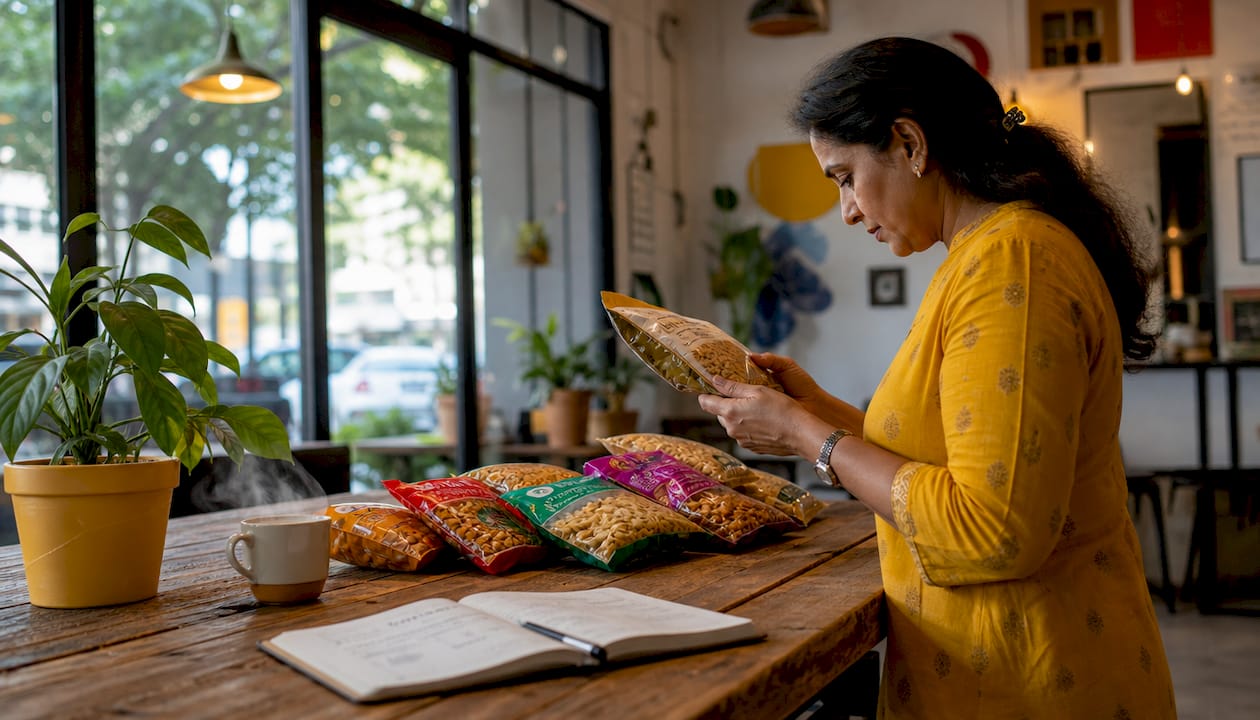
The online Indian snack brand comparison 2026 market is defined by three consumer priorities: authentic flavor, health-conscious ingredients, and reliable delivery. Frito-Lay holds roughly 45% market share while Haldiram controls about 25%, yet regional challengers are reshaping the category fast. Shoppers today want more than a familiar logo. They want snacks that taste like home, carry clean ingredient lists, and arrive at the door without hassle. This guide breaks down what actually separates the best Indian snacks online in 2026 across taste, health value, and price.
1. Which Indian snack brands lead in authentic flavor?
Authenticity is the single strongest driver of repeat purchases in the Indian snack category. Regional trust often trumps global FMCG muscle because local brands carry cultural memory that no distribution budget can manufacture. Brands rooted in regional recipes, like those drawing from Rajasthani, Bengali, or South Indian traditions, consistently earn stronger loyalty online than mass-produced alternatives.
Cultural nostalgia is a real purchasing force. Shoppers who grew up eating chakli, murukku, or mathri at home recognize immediately when a brand cuts corners on spice blends or frying technique. That recognition drives them to seek out brands that honor the original recipe.
Regional recipe fidelity: Brands that name the specific region of origin (Rajasthani namkeen, Kolkata jhalmuri) signal authenticity more credibly than vague “Indian flavor” labels.
Handcrafted or small-batch production: Small-batch methods preserve texture and spice balance that industrial lines often lose.
Transparent ingredient sourcing: Brands listing regional spice origins build trust faster than those using generic “spices” on the label.
Desimunchiess sits firmly in this category. Every product follows traditional recipes with bold, home-style flavors that remind you of a relative’s kitchen. That handcrafted approach is exactly what separates genuine heritage snacks from mass-market imitations. You can explore heritage snack recipes to understand how tradition shapes the best snacking choices.
Pro Tip: When evaluating authenticity online, read the ingredient list before the marketing copy. A genuine regional snack lists whole spices and recognizable oils, not a string of flavor codes.
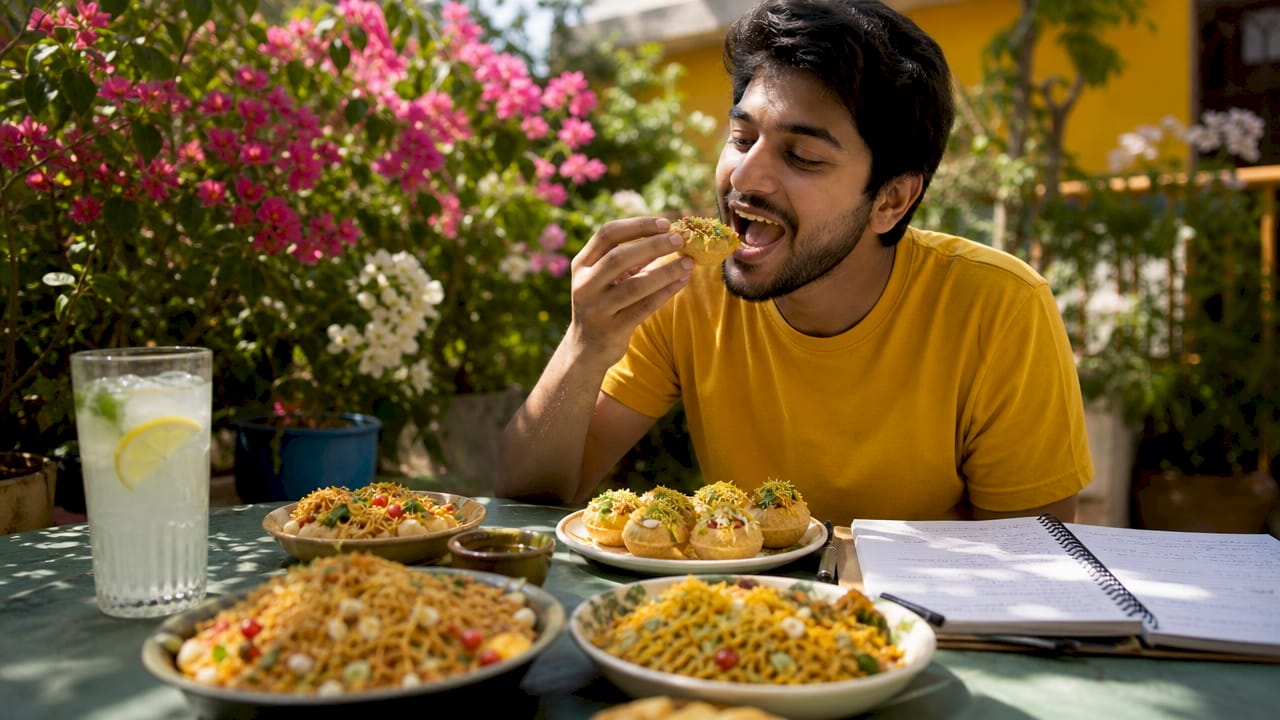
2. How do health-focused Indian snack brands compare online in 2026?
Health is now a primary branding driver in the Indian snack market. Protein and health claims attract younger consumers more reliably than flavor alone in 2026. Brands that lead the health category include TagZ, Too Yumm, RiteBite Max Protein, and Wingreens Farms, all rated high on clean ingredient profiles.
The key difference between health-forward brands and standard snack brands comes down to three factors: ingredient quality, processing method, and nutrition transparency. Baked or air-popped formats replace deep-frying. Protein content gets featured prominently on packaging. Artificial colors and preservatives are removed or minimized.
Feature | Standard snack brands | Health-focused brands |
Cooking method | Deep-fried | Baked, air-popped, or roasted |
Protein content | Low (under 3g per serving) | Moderate to high (5–15g per serving) |
Ingredient list length | Long, with additives | Short, with whole ingredients |
Calorie transparency | Often absent | Clearly labeled per serving |
Artificial additives | Common | Minimal or none |
One concern worth flagging: microwave popcorn bags often contain PFAS chemicals and palm oil with artificial flavors, raising real health questions despite their convenience positioning. That finding applies broadly to convenience-packaged snacks across categories.
Desimunchiess addresses this directly. The brand uses high-quality ingredients without the additive shortcuts common in mass production. If you want snacks that fit a fitness-focused lifestyle, the protein-rich traditional options from Desimunchiess are worth a close look.
Pro Tip: Check the serving size on health-branded snacks carefully. A “low calorie” claim often applies to a 20g serving, while most people eat two or three times that amount in one sitting.
3. What is the price range and value offered by top Indian snack brands online?
Price in the Indian snack category spans a wide range, and the gap between mass-market and gourmet is significant. Mass-market popcorn runs Rs 40–80 per bag, while gourmet ready-to-eat options reach Rs 150–350 per pack. That price difference reflects ingredient quality, production method, and brand positioning.
The cost-per-serving calculation changes the picture further. Homemade snacks cost 70–90% less per serving than packaged microwave alternatives. That gap explains why direct-to-consumer brands offering freshly made products at mid-range prices attract shoppers who want quality without the gourmet markup.
Here is how the price tiers break down for online Indian snack shoppers:
Mass market (Rs 40–100 per pack): High availability, wide flavor range, but often lower ingredient quality and heavier use of additives.
Mid-range (Rs 100–200 per pack): The sweet spot for most shoppers. Brands here typically offer cleaner labels and better texture without the premium price.
Gourmet (Rs 200–350+ per pack): Artisan production, specialty ingredients, and small-batch freshness. Best for gifting or occasional indulgence.
Direct-to-consumer freshly made: Pricing varies but often competes with mid-range while delivering homemade quality. Desimunchiess operates in this space.
Purchasing channel also affects price. Snacks bought directly from a brand’s website often cost less than the same product on a third-party marketplace, where platform fees get passed to the shopper. Buying direct also means fresher stock.
4. How does availability and online delivery affect Indian snack brand choice?
Delivery speed and stock reliability now shape purchasing decisions as much as flavor does. Modern e-commerce favors brands with high stock availability and fast delivery, benefiting agile new entrants over legacy players with slower supply chains. A brand with great flavor but unreliable shipping loses repeat customers fast.
E-commerce dynamics reward fresh inventory and quick fulfillment. Brands that adapt their logistics to meet next-day or same-day delivery expectations hold a clear advantage in 2026. Legacy brands with large warehouse networks sometimes struggle to match the freshness that smaller direct-to-consumer brands deliver.
When evaluating an online snack store for reliability, check these factors:
Delivery window transparency: Does the brand show estimated delivery dates before checkout? Vague timelines are a red flag.
Freshness dating: Freshly made snacks should carry a clear production date, not just an expiry date.
Return and refund policy: A brand confident in its product quality offers a clear satisfaction guarantee.
Customer review recency: Look at reviews from the past 30 days, not just overall star ratings. Recent reviews reflect current fulfillment quality.
Stock update frequency: Brands that regularly restock limited-batch products signal active production, not sitting warehouse inventory.
You can find a detailed breakdown of what to look for in a trustworthy store in this guide on choosing a desi snack store.
5. What are the top snacks to order online in 2026?
The best Indian snacks online in 2026 combine bold flavor with clean ingredients and consistent availability. The strongest performers across the Indian snack brand rankings 2026 fall into a few clear categories.
Namkeen and savory mixes remain the most popular category. Brands that use whole lentils, roasted peanuts, and regional spice blends outperform those relying on artificial seasoning powders. Texture variety within a single pack, crunchy, chewy, and crispy elements together, drives higher satisfaction scores.
Baked and roasted chips have grown significantly as health awareness rises. Younger consumers switch brands frequently based on health claims, so brands in this category need to back their claims with real ingredient transparency, not just marketing language.
Traditional sweets with a modern twist are gaining ground online. Brands offering reduced-sugar versions of classic mithai, or protein-enriched laddoos, attract shoppers who want festive flavors without the guilt. This crossover between tradition and wellness is one of the most interesting trends in the 2026 Indian snack reviews space.
Desimunchiess covers all three categories with freshly made products built on traditional recipes. Their top snacks available online reflect exactly this balance of bold flavor and quality ingredients.
Key Takeaways
The best Indian snack brands online in 2026 win on authentic regional flavor, clean ingredient lists, fair pricing, and reliable delivery, with no single brand excelling at all four without deliberate focus.
Point | Details |
Authenticity drives loyalty | Brands using named regional recipes and whole spices earn stronger repeat purchases than generic “Indian flavor” labels. |
Health claims need scrutiny | Check serving sizes and ingredient lists; health-branded snacks often hide additives or misleading portion sizes. |
Price tiers vary widely | Mass-market packs run Rs 40–100 while gourmet options reach Rs 350; direct-to-consumer brands often offer the best value. |
Delivery reliability matters | Fast fulfillment and fresh stock dating are as important as flavor when choosing an online snack brand. |
Regional brands challenge giants | Frito-Lay holds 45% market share, but regional flavor innovation continues to pull younger shoppers toward smaller, authentic brands. |
Why regional snack brands are winning in 2026
I have watched the Indian snack market shift noticeably over the past few years, and the pattern is clear. Global FMCG giants have distribution, marketing budgets, and shelf space. What they cannot buy is the emotional weight of a snack that tastes like your grandmother made it.
Regional heritage generates emotional connections that large corporations genuinely struggle to replicate. That is not sentiment. It is a purchasing behavior pattern showing up in repeat order data across online platforms. Shoppers who find a brand that nails their regional flavor profile come back without needing a discount.
The health trend is real, but I would caution against treating it as permanent loyalty glue. Younger consumers switch brands frequently based on convenience and health claims. That means a brand riding only the protein wave without building genuine flavor credibility will lose those customers the moment a newer health claim appears.
My practical advice: prioritize brands that lead with flavor and back it up with clean ingredients, rather than brands that lead with health claims and treat flavor as secondary. The snacks you keep ordering are always the ones that taste genuinely good. Health is the reason you feel okay about ordering them again.
— Shivam
Freshly made Indian snacks, delivered to your door
Desimunchiess was built for exactly the shopper this guide describes. You want bold, home-style flavors made with real ingredients, not a factory approximation of something your family used to make.
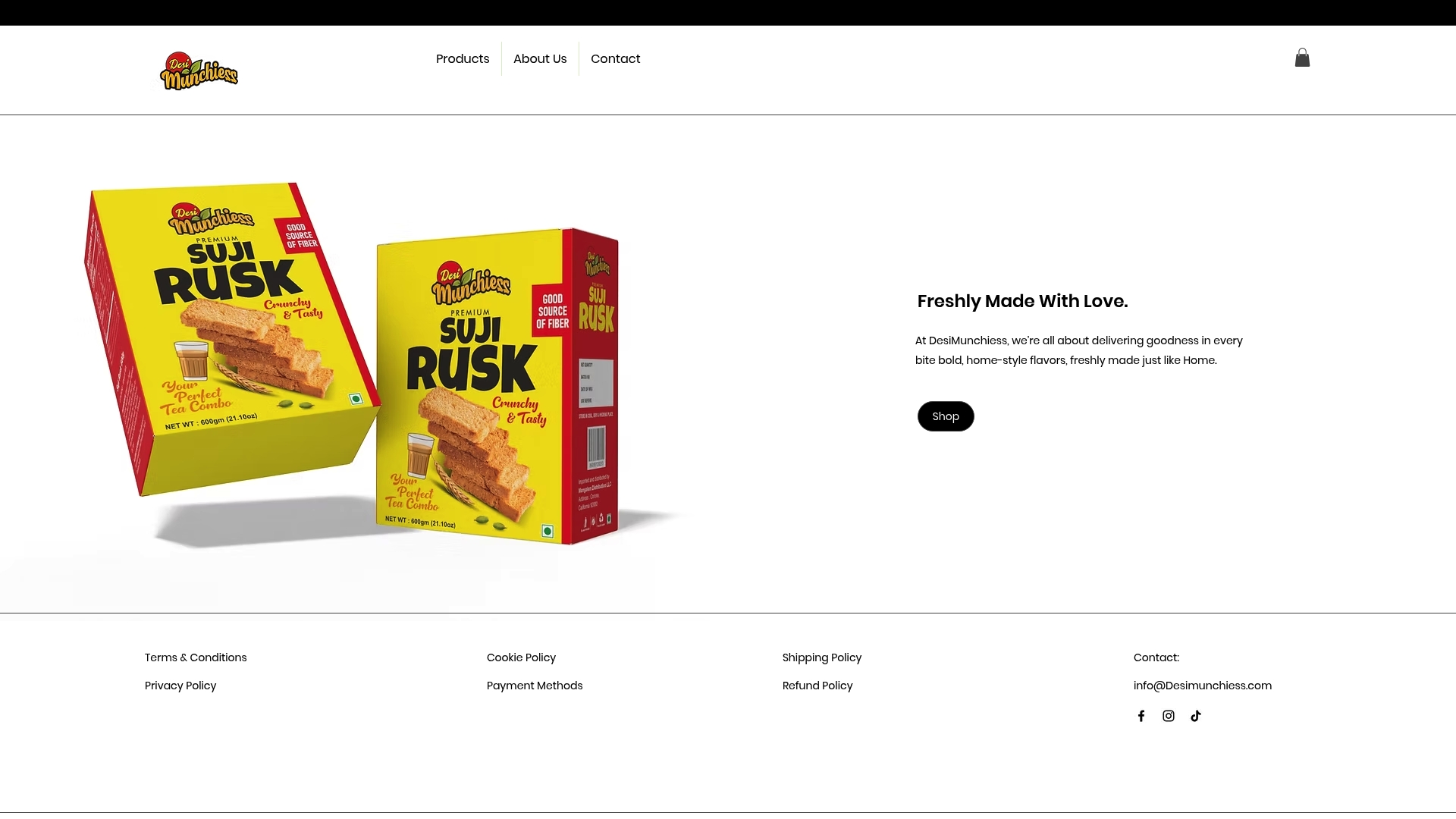
Every product at Desimunchiess follows traditional recipes with handcrafted production methods that preserve the freshness and flavor you cannot get from a warehouse shelf. The direct-to-consumer model means you get snacks made for your order, not sitting in storage for weeks. Whether you are looking for savory namkeen, protein-rich bites, or classic regional favorites, the full range is ready at Desimunchiess. Fresh, bold, and made with love in every bite.
FAQ
Which Indian snack brand is best for authentic flavor?
Brands using named regional recipes, whole spices, and handcrafted production methods deliver the most authentic flavor. Desimunchiess specializes in traditional recipes that replicate home-cooked taste.
What are the healthiest Indian snacks to buy online in 2026?
TagZ, Too Yumm, RiteBite Max Protein, and Wingreens Farms lead the health category with clean ingredient profiles. Look for baked or roasted formats with short ingredient lists and clear nutrition labeling.
How much do Indian snacks cost online?
Prices range from Rs 40–80 for mass-market packs to Rs 150–350 for gourmet options. Direct-to-consumer freshly made brands often deliver mid-range pricing with better ingredient quality.
How do I know if an online Indian snack store is reliable?
Check for transparent delivery windows, production dates on freshly made products, a clear refund policy, and recent customer reviews. This guide to choosing a store covers the full checklist.
Are subscription boxes a good way to try Indian snack brands?
Subscription boxes let you sample multiple brands and categories without committing to bulk orders. They work especially well for shoppers building their own Indian snacks buying guide 2026 through trial. You can review current options in this 2026 subscription box guide.
Recommended
Comments