
Roasted Chana Benefits: The Protein-Rich Snack Worth Your Time
- DesiMunchiess

- 3 days ago
- 8 min read
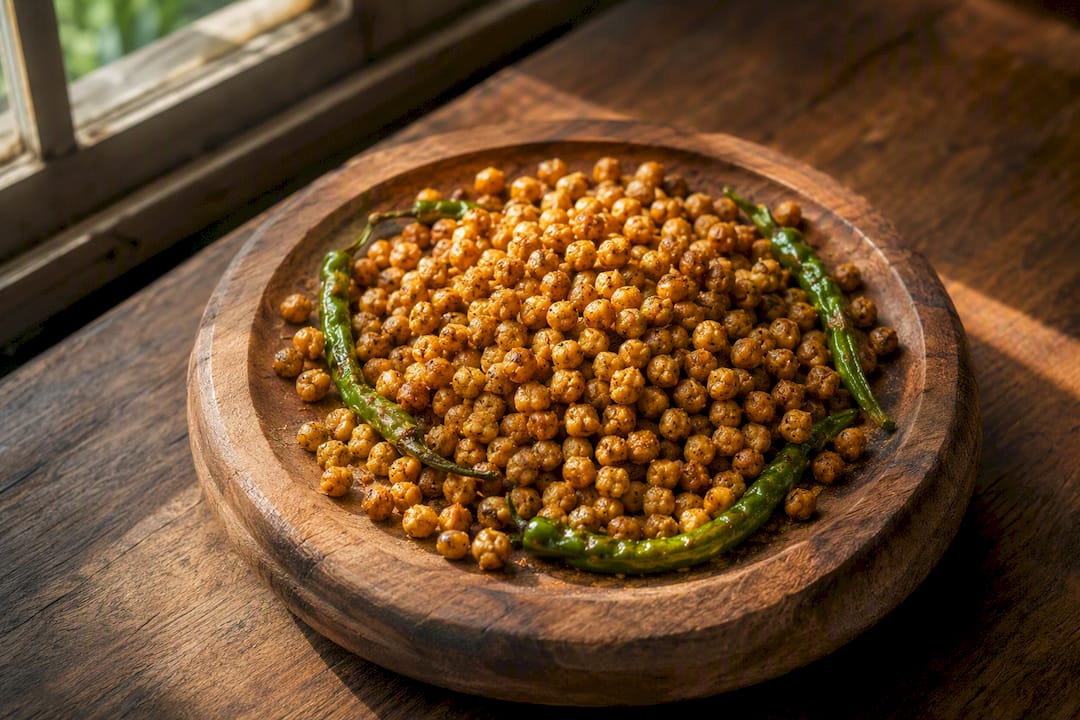
Roasted chana is a low-glycemic, protein- and fiber-dense snack that supports satiety, steady energy, and heart and blood-sugar health when you eat it in sensible portions. It’s not a trendy superfood. It’s just a chickpea, roasted until crunchy, and that simple process delivers more nutrition per bite than most bags on the snack aisle.
Here’s the quick math on why it matters:
A 30-gram handful delivers roughly 7 to 8 grams of protein, close to what you’d get from an egg.
The same portion carries a meaningful share of your daily fiber intake, which slows digestion and keeps hunger away longer.
Its low glycemic index means it won’t send your blood sugar on a rollercoaster the way chips or crackers do.
We’ll walk through the full nutrition breakdown, what each benefit actually means for your body, and how to fit it into your day without overdoing it.
Key Takeaways
Roasted chana works as a protein- and fiber-rich snack because roasting concentrates chickpea nutrients while lowering the glycemic impact and easing digestibility compared to boiled chickpeas.
Point | Details |
Protein per serving | A 30-gram portion delivers roughly 7 to 8 grams of protein, close to one egg’s worth. |
Fiber supports satiety | Expect 3.5 to 5.5 grams of fiber per 30-gram serving, which slows digestion and curbs hunger. |
Low glycemic index | Roasted chana digests slowly, helping avoid blood sugar spikes compared to refined snacks. |
Pair with vitamin C | Add lemon or citrus to improve iron absorption from this plant-based source. |
Choose quality production | Desimunchiess roasts chana in small batches with authentic recipes, keeping sodium and oil predictable and freshness high. |
Table of Contents
Roasted Chana Nutritional Profile: What’s Really in Every Bite
Numbers tell the real story here, and roasted chana’s numbers are good. Per 100 grams, roasted chana typically delivers 350 to 370 calories and 20 to 25 grams of protein, according to nutrition breakdowns from IndiaShopping. Scale that down to a realistic 30-gram snack portion, and you’re looking at around 105 to 110 calories and 7 to 8 grams of protein. That’s a snack that actually does something for your body instead of just filling time between meals.
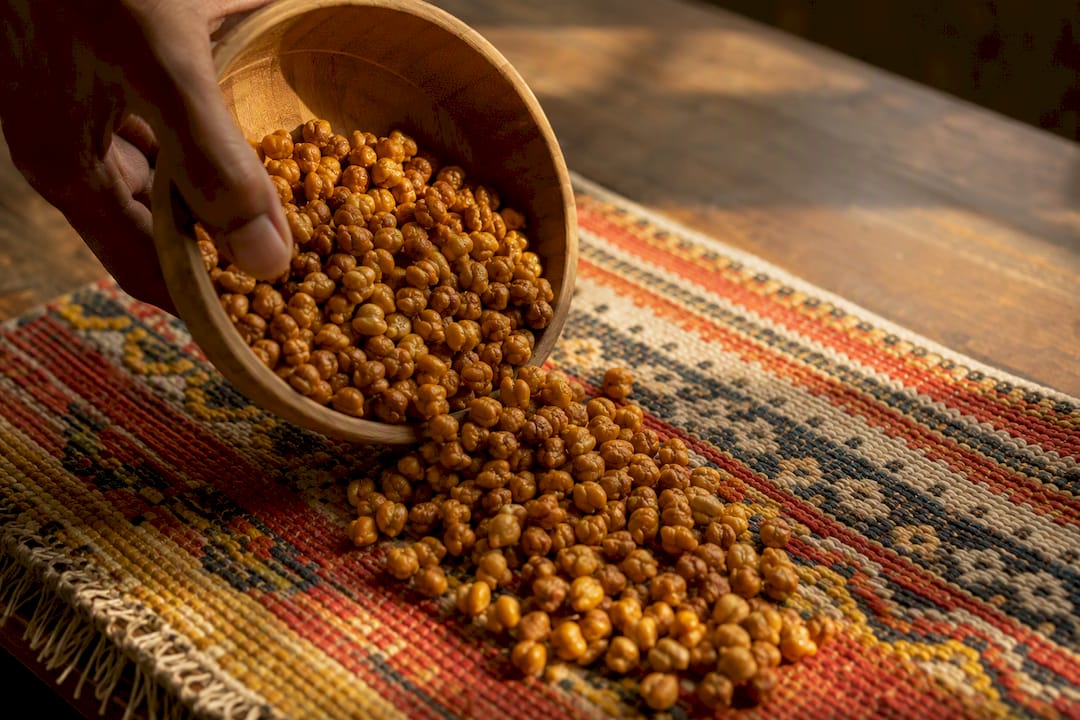
Fiber is where roasted chana really separates itself from the pack. MyFoodData’s nutrition analysis puts dietary fiber between 12 and 18.5 grams per 100 grams, an unusually wide but consistently high range for a snack food. A 30-gram serving still gets you 3.5 to 5.5 grams of fiber, which is a solid chunk of your daily need before lunch even happens.
Quick snapshot: what you get in 30 grams of roasted chana
Calories: roughly 105 to 110
Protein: about 7 to 8 grams
Fiber: about 3.5 to 5.5 grams
Glycemic index: low (steady blood sugar response)
Why do these numbers run higher than what you’d see on a can of boiled chickpeas? Roasting removes moisture instead of adding it. Boiling chickpeas plumps them up with water, diluting the nutrient concentration per 100 grams. Roasting does the opposite. It dries the chickpea out, so the same 100-gram scoop packs more protein, fiber, and calories into less water weight, as explained in Plantigo’s breakdown of roasted chana protein content. You’re not getting more nutrients from the same chickpea. You’re just getting less water diluting them.
That low glycemic index matters just as much as the protein count. Chickpeas in general sit in the low-GI category, and roasting doesn’t change that fundamental starch structure. For anyone managing energy crashes or watching blood sugar, that’s the quiet feature working in the background every time you reach for a handful.
What Are the Real Health Benefits of Roasted Chana?
Nutrition facts only matter if you know what they do once they’re in your body. Here’s how roasted chana’s profile translates into actual outcomes.
Weight management and satiety. The protein and fiber combination is the real engine here. Protein slows stomach emptying and triggers fullness hormones, while fiber adds bulk that keeps you satisfied on fewer calories. Compare that to a bag of pretzels or chips, which are mostly refined carbs with almost no fiber or protein to slow you down. You eat the whole bag and you’re hungry again in an hour. That doesn’t happen the same way with chana.
Digestive health. Chickpeas contain both soluble and insoluble fiber. Soluble fiber feeds beneficial gut bacteria and helps regulate cholesterol; insoluble fiber adds bulk that keeps things moving through your digestive tract. Roasting has an added benefit here: it reduces certain oligosaccharides that cause bloating in raw or boiled legumes, which is why many people find roasted chana easier on the stomach than a bowl of chickpea curry.
Blood sugar stability. Because roasted chana digests slowly, glucose enters your bloodstream at a gentler pace instead of spiking it. That’s relevant whether you’re managing prediabetes or just trying to avoid the 3 PM energy slump. Metropolis India’s guide notes this makes chana a smart swap for high-GI snacks like white bread crackers, though portion control still matters if you’re diabetic.
Heart health. Fiber helps lower LDL cholesterol by binding to it in the digestive tract before it reaches your bloodstream. Roasted chana also carries magnesium and potassium, two minerals tied to healthy blood pressure regulation, and it’s naturally low in saturated fat unless it’s fried or oil-roasted.
Muscle repair and energy. At 20 to 25 grams of protein per 100 grams, roasted chana is a legitimate plant-protein source, though it’s worth being honest about scale: a 30-gram snack won’t replace a protein shake. It’s a supporting player, not the whole team, particularly useful between meals or after light activity.
Iron and bone minerals. Chana contains iron, phosphorus, and calcium, all relevant to bone density and oxygen transport. The catch is that plant-based (non-heme) iron doesn’t absorb as efficiently as the iron in meat.
Pro Tip: Squeeze fresh lemon over your roasted chana or pair it with an orange on the side. The vitamin C significantly boosts non-heme iron absorption, turning an average iron source into a genuinely useful one.
Antioxidant content. Roasted chana carries polyphenols and flavonoids, plant compounds linked to reduced oxidative stress in the body. It’s not the headline benefit, but it’s a real one worth mentioning when you’re comparing chana to nutrient-empty fried snacks.
How Much Roasted Chana Should You Eat Per Day?
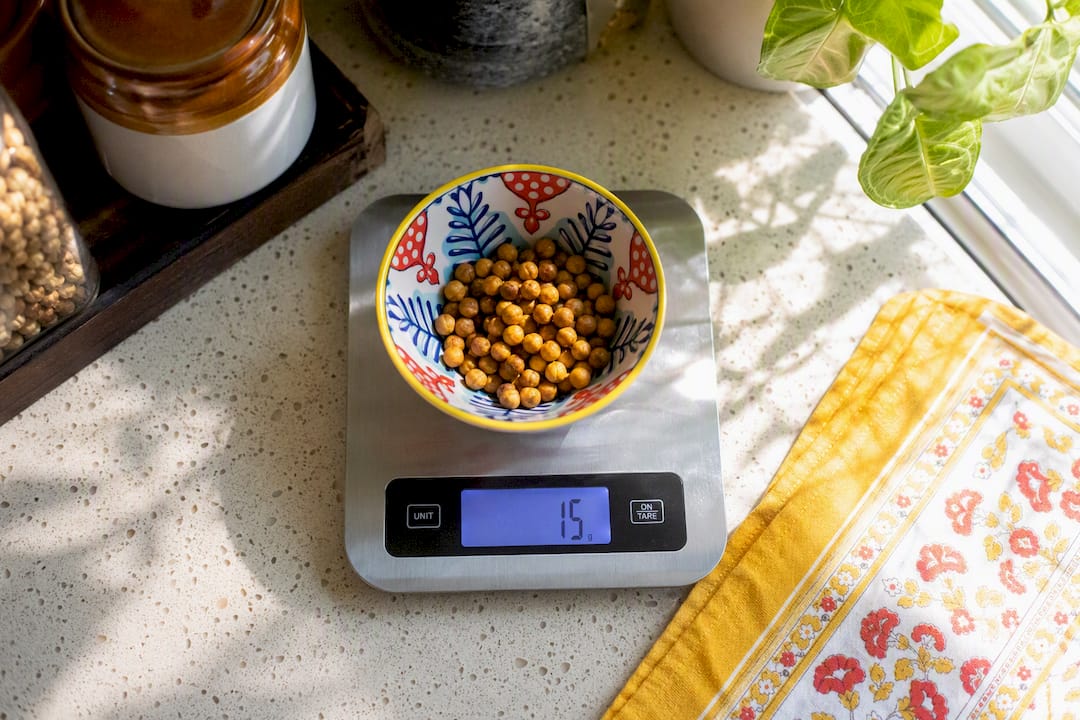
A 30-gram portion, roughly a small handful, is the sweet spot for most people. That gets you the protein and fiber payoff without loading up on calories you didn’t plan for. Most health-conscious eaters do well sticking to one or two servings a day, totaling 60 grams, especially if roasted chana is replacing another snack rather than adding on top of your usual eating.
Timing matters more than people realize:
Mid-morning works well if you eat breakfast early and need something to bridge the gap to lunch.
Post-workout makes sense given the protein content, though it won’t replace a full recovery meal.
Evening snacking is where chana shines most, since the fiber and protein blunt the urge to raid the pantry for something worse.
A few cautions worth knowing. Eating too much too fast can cause bloating or gas, particularly if your gut isn’t used to a high-fiber legume. Flavored varieties, especially masala or salted styles, can carry a lot more sodium than you’d expect, so check the label if you’re watching blood pressure. Anyone with a chickpea or legume allergy should avoid it entirely, and if you have digestive conditions like IBS, talk to a doctor before making it a daily habit.
Pro Tip: Start with a 15-gram portion if you’re new to roasted chana, then work up to 30 grams over a week or two. Your gut adjusts to the fiber load, and the bloating tends to fade.
Simple Ways to Add Roasted Chana to Your Day
You don’t need a recipe to enjoy roasted chana, but a few small moves make it more versatile.
Eat it plain, straight from the bag, for the cleanest version with no added sodium or oil, or go lightly seasoned if you want more flavor without overdoing the salt.
Toss it into salads or yogurt bowls for crunch and an easy protein boost without extra prep.
Build a spiced trail mix with roasted chana, a few almonds, and a pinch of chaat masala for a snack that travels well.
Make a citrus chana salad by mixing roasted chana with chopped cucumber, red onion, and a squeeze of lemon juice.
Portion it into small containers or single-serve packs ahead of time. Roasted chana is naturally shelf-stable, so it holds its crunch for weeks without refrigeration, making it genuinely grab-and-go.
If you’re comparing it to fried Indian snacks, the baked versus fried breakdown is worth a look. It’s an easy way to see just how much oil and calories roasting saves you.
Why Desimunchiess Roasted Chana Delivers on These Benefits
Nutrition facts only mean something if the product living up to them is made well. That’s where the process behind your snack matters as much as the ingredient list.
Authentic recipes. Desimunchiess builds its roasted chana on traditional methods, not shortcuts designed to cut cost.
Handcrafted production. Small-batch roasting means better control over how much oil, salt, and seasoning ends up in the final product, so the nutrition numbers you read about actually hold up in the bag.
Direct-to-consumer freshness. Selling straight to you, rather than sitting on a distributor’s shelf for months, means fresher chana and fewer preservatives.
We believe a snack should taste like it came from someone’s kitchen, not a factory line. That’s the whole point of roasting chana the way we do, in small batches, with real ingredients, so every handful tastes like it should.
If you want the fiber, protein, and low-GI benefits covered above without wondering what else got added along the way, the roasted chana with skin is where that philosophy shows up in the bag.
What I’d Tell You If You Only Read One Section
Most advice on roasted chana treats it like a miracle food, and that’s where the conventional wisdom oversells it. It’s a good snack, a genuinely useful one, but it’s not going to replace a balanced diet or undo the effects of a poor one. What the research actually supports is narrower and more useful: roasted chana works best as a direct swap for something worse, not as an addition stacked on top of your normal eating.
Where most guides fall short is treating every roasted chana product as interchangeable. Sodium content, oil content, and freshness vary wildly between mass-produced bags sitting in a warehouse and small-batch roasting done recently. That difference changes how much of the fiber, protein, and low-GI benefit actually survives into what you’re eating.
If you take one thing from this guide, prioritize the swap over the addition. Replace the chips or crackers in your afternoon routine with a 30-gram portion of plain or lightly seasoned roasted chana, and check the sodium on whatever bag you buy. That single change does more for your health than any amount of chana added on top of habits that haven’t changed.
— Shivam
Get Fresh Roasted Chana Without the Guesswork
You’ve read what makes roasted chana genuinely good for you: the protein, the fiber, the low-GI steadiness. The harder part is finding a bag where those numbers actually hold up, since sodium and oil content vary so much between brands sitting on a shelf for months.
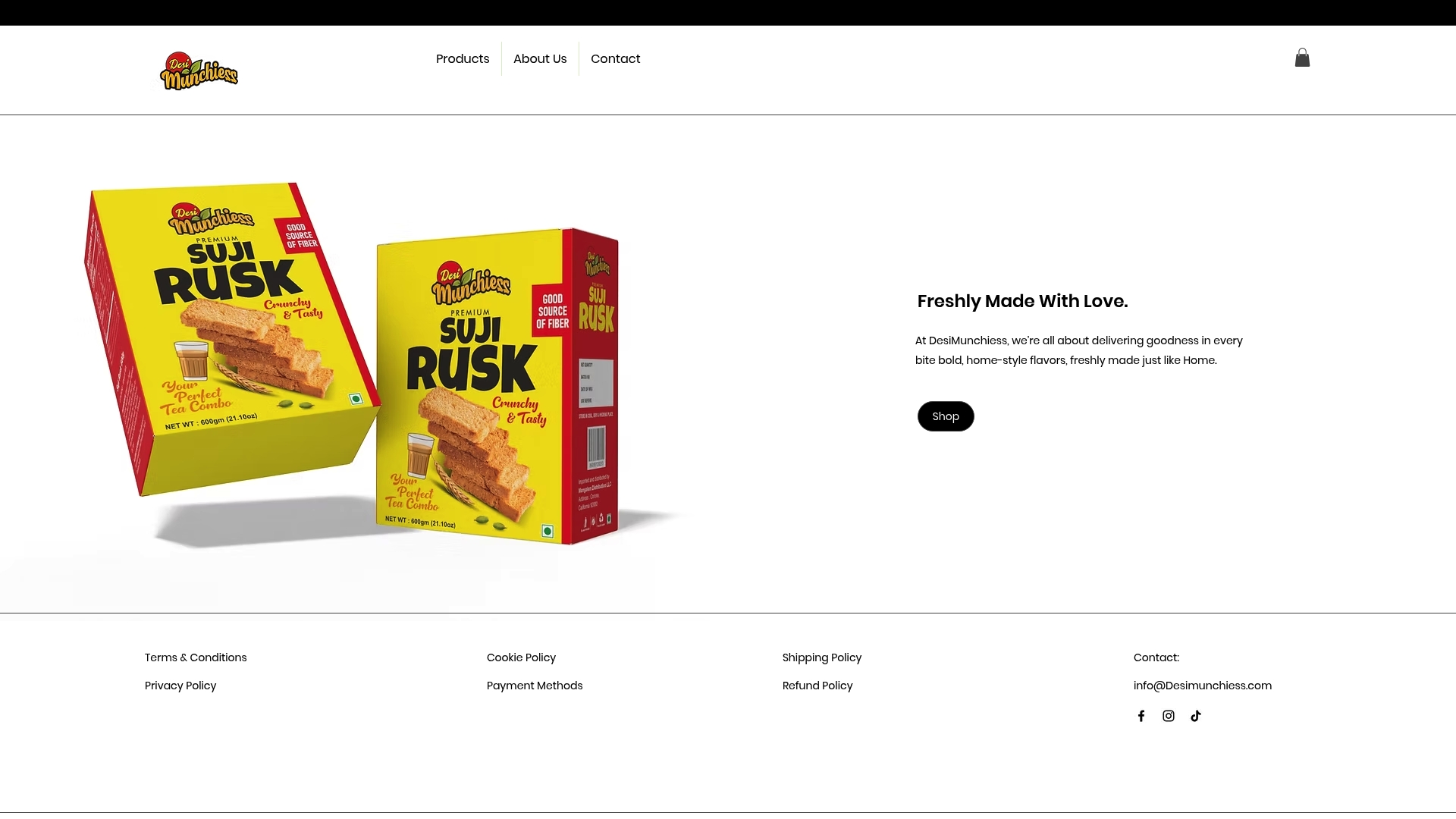
Desimunchiess roasts its chana in small batches using traditional recipes, so what you get matches what the nutrition label promises, not a diluted version of it. That matters if you’re trying to hit a specific protein or fiber target rather than just snacking on autopilot. Whether you want the classic version with skin or prefer the skinless option for a softer bite, both are made fresh and shipped direct, cutting out the months of shelf time that mass-produced snacks sit through. If you snack often enough to go through it quickly, the 4LB bulk pack works out to better value per serving. Head to Desimunchiess and order a bag today to start replacing one refined snack this week.
Sources
Recommended
Comments