
The Best Indian Snacks for Seniors: Soft, Safe, and Full of Flavor

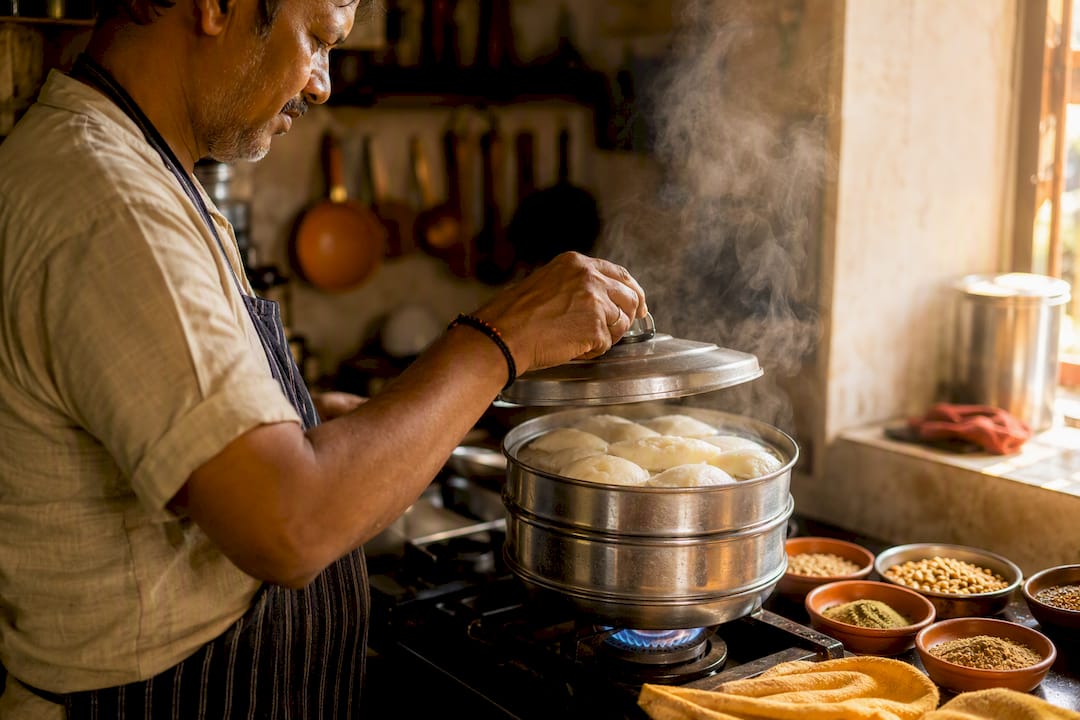
The best Indian snacks for seniors are soft steamed items like idli and khichdi, dairy-based bites like yogurt and paneer, blended smoothies, and softened lentil dishes rich in protein. These four categories cover the two things that matter most after age 65: easy chewing and real nutrition. Desimunchiess builds several of its homemade-style snacks around exactly this idea, so caregivers don’t have to choose between comfort food and good sense.
TL;DR:
Soft, protein-rich snacks like idli, khichdi, and paneer are ideal for seniors with chewing or swallowing difficulties, supporting their nutritional needs.
Pairing carbohydrates with protein and fiber in snacks can help manage blood sugar and blood pressure, especially in seniors with diabetes or hypertension.
Batch-prepared, frozen, or store-bought soft options such as khichdi or smoothies offer practical, nutritious solutions for days when cooking is challenging.
Adjusting textures through soaking, steaming, blending, or pureeing reduces choking risk and makes snacks easier to consume without sacrificing flavor.
Limiting high-sodium, fried, or sugar-laden snacks and instead substituting with smaller portions of flavored, healthier alternatives enhances safety and enjoyment.
Table of Contents
Quick Shortlist: Indian Snack Ideas Caregivers Can Use Today
Why These Choices Work for Seniors: Nutrients, Appetite, and Texture
The Case for Turmeric, Ginger, and Other Traditional Ingredients
Snacking Around Diabetes, Hypertension, and Common Conditions
Why Desimunchiess Focuses on Homemade-Style, Senior-Friendly Snacks
Quick Shortlist: Indian Snack Ideas Caregivers Can Use Today
You don’t need a long ingredient list to feed your parent or grandparent well. You need a handful of go-to options that are soft, satisfying, and quick enough to make on a busy Tuesday. Here’s a shortlist worth keeping on the fridge.
Idli or rava idli, steamed until pillowy soft, pairs well with thin sambar for extra protein and moisture.
Moong dal khichdi, cooked until the rice and lentils melt together, delivers protein and fiber in one bowl.
Yogurt with mashed banana or ripe pear covers calcium and easy-to-swallow fruit in a single spoonful.
Soft paneer, lightly cooked and crumbled, is one of the easiest ways to add protein without a single tough bite.
Moong dal chilla, cooked soft rather than crisp, works as a savory option that still goes down easy.
Mashed chana with yogurt turns a fiber-rich legume into something spoon-soft.
Banana-yogurt smoothie or kheer-lite (a lighter milk pudding) offers a cool, hydrating snack that needs no chewing at all.
Roasted chana, crushed or soaked soft, plus shelf-stable puddings and single-serve cottage cheese cups, cover the days when cooking from scratch isn’t realistic.
None of these require special equipment or a culinary degree. They just require knowing which textures and nutrients matter most, which is exactly what the next section breaks down.
Why These Choices Work for Seniors: Nutrients, Appetite, and Texture
Aging changes what the body needs from food and how much it can comfortably chew. Appetite often shrinks, medications can affect taste, and dental or swallowing issues make dense, dry, or crunchy foods a real hazard. Five nutrients matter most for older adults: protein, calcium, vitamin D, fiber, and fluids. Miss any one of them consistently, and the risk of frailty or muscle loss climbs.
Soft Indian snacks happen to map onto those needs almost perfectly. Idli and khichdi supply carbohydrates and plant protein in an easy-to-digest form. Yogurt and paneer bring calcium and additional protein without demanding much of the jaw. Mashed legumes like chana and moong dal add fiber and iron. Even a simple banana-yogurt smoothie does double duty, hydrating while delivering potassium and calcium at once.
Frailty risk runs on small margins. Frail older adults often face chewing, swallowing, and appetite challenges, and simple, nutrient-dense, easy-to-prepare snacks are one of the most direct ways to prevent malnutrition before it starts. A missed protein snack here and there rarely feels urgent in the moment, but it compounds over weeks.
That is part of why dietitians recommend building protein into snack time specifically, not just meals, since small protein-rich snacks between meals help frail seniors close the gap on their daily needs. When you’re picking packaged snacks to round out homemade options, use a simple filter: look for higher protein, whole grains, limited added sugar, lower sodium, and where practical, roughly 250 calories or less per snack. That single checklist will steer you away from most of the deep-fried, oversalted packaged snacks lining a typical grocery aisle.
Soft Indian Snack Recipes and Easy Ready-to-Buy Options
You don’t have to cook every single day to keep a senior well fed. A mix of quick homemade recipes and smart store-bought backups covers both the good days and the tired ones.
Steamed idli with moong dal paste. Steam idli batter as usual (about 10 to 12 minutes), then serve with a thinned moong dal paste instead of solid dal for easier swallowing. Protein note: moong dal adds roughly 7 to 9 grams of protein per cooked cup. Ready-to-buy swap: pair with a store-bought Greek yogurt cup for extra protein without more prep.
Soft moong dal khichdi. Cook rice and moong dal with extra water until the texture turns almost porridge-like, about 25 minutes on the stove. This is one of the most forgiving soft, easy-to-chew Indian dishes you can make, and it freezes beautifully. Ready-to-buy swap: canned lentils blended with rice cook in under 10 minutes on rushed days.
Rava idli. Semolina idli steams up slightly softer than traditional rice idli and needs no fermentation time, which makes it a same-day option. Nutrient note: pair with a small side of paneer for a protein boost.
Banana-yogurt smoothie. Blend one ripe banana, a cup of plain yogurt, and a splash of milk until smooth. This takes two minutes and needs zero chewing, which makes it ideal on days when appetite is low. Ready-to-buy swap: a store bought protein-fortified smoothie works in a pinch.
Soft besan chilla. Cook chickpea flour batter low and slow so it stays tender instead of crisping at the edges. Nutrient note: besan brings plant protein and fiber together in one bite.
Paneer scramble. Crumble soft paneer and warm it gently with a touch of turmeric and cumin, skipping any hard sear. This is an easy way to work more calcium and protein into breakfast or a mid-afternoon snack.
For anyone with significant chewing limits, an immersion blender or a basic food mill turns almost any of these into a spoonable puree without losing the flavor. Batch-cook khichdi or dal on a weekend, then freeze single-serve portions. It is one of the most reliable caregiver strategies for keeping soft, nutritious food on hand without cooking daily.
Pro Tip: When we develop softer-texture snacks at Desimunchiess, we steam or slow-cook first and season second. That order keeps the bold, homemade flavor intact even when the texture is gentler on the mouth.
If you want more ideas for stretching a protein-rich pantry into everyday snacks, our high-protein traditional Indian snacks guide has several that adapt well to softer preparations.
Adjusting Texture and Portions to Reduce Choking Risk
Texture is not a minor detail for older adults. It is often the difference between a snack that gets eaten and one that gets pushed aside out of fear.
Soak dry items like roasted chana in warm water or milk for 10 to 15 minutes until they yield to gentle pressure.
Steam vegetables and legumes rather than roasting or frying them, since steam retains moisture that keeps food soft.
Thin thick liquids like dal or kheer with warm milk or broth if swallowing feels effortful; thicken thin liquids like plain milk with a bit of yogurt if the reverse is true.
Use an immersion blender for smoothies and purees, or a food mill for a coarser mash that still breaks down fibrous bits.
Watch for signs a snack is too hard to manage: prolonged chewing, coughing, food pocketing in the cheek, or avoiding the snack altogether.
Serve smaller portions more often rather than one large plate, and consider softer-grip or angled cutlery when hand strength is limited.
Sodium, Sugar, Hydration, and When to Call a Doctor
Traditional Indian snacks can swing from wonderfully nourishing to genuinely risky depending on how they’re prepared. Deep-fried namkeen, syrup-soaked sweets, and heavily salted pickles fall into the category worth limiting, since high-sodium, high-fat snacks work against blood pressure and cardiovascular goals common among older adults.
Dehydration sneaks up quietly in seniors, since thirst signals weaken with age. Fortified dairy like milk and yogurt offers a practical way to combine hydration with vitamin D and calcium, and any decision to add supplements on top of that should go through a physician first.
Watch for these red flags, and don’t wait them out:
Coughing or throat clearing during or right after eating.
A wet, gurgly voice quality after swallowing.
Noticeable weight loss or a senior consistently leaving snacks unfinished.
Food or liquid coming back up through the nose.
Any of these warrant a conversation with a doctor about a formal swallowing assessment, not a wait-and-see approach.
Caregiver Checklist: Prep, Storage, and Serving
A little organization turns senior snacking from a daily scramble into a system.
Stock ready-made staples: Greek yogurt, pre-cooked lentils, canned chickpeas, and ripe soft fruits need almost no prep.
Batch-cook the rest: make khichdi or idli batter in bulk once a week, since freezing single-serve portions preserves both nutrition and convenience.
Label and date everything going into the freezer, and use within one to two months for best texture.
Reheat gently, using low heat or a double boiler, and always check the temperature is warm, not hot, before serving.
Serve with hydration alongside, whether that’s water, buttermilk, or a small glass of milk, and time snacks between meals so they support appetite instead of replacing it.
Hydration-Friendly Snacks That Do Double Duty
Fluid intake tends to drop quietly with age, partly because thirst cues weaken and partly because trips to the bathroom feel like more effort than they used to. Snacks that carry their own moisture solve part of that problem without anyone having to remember a water bottle.
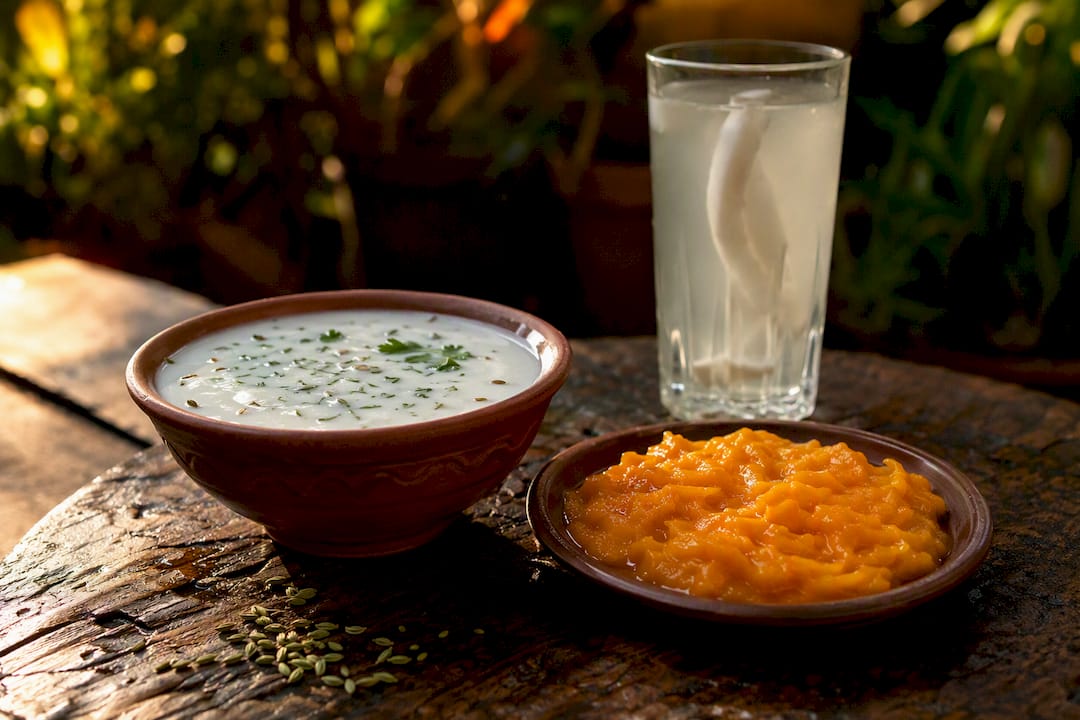
Thin buttermilk (chaas) seasoned lightly with roasted cumin is a traditional Indian option that hydrates while settling digestion, and it needs zero chewing. Coconut water paired with a soft fruit like mashed mango or banana works the same way, adding potassium alongside fluid. Watery fruits such as watermelon, cut into small manageable pieces or blended into a light smoothie, do double duty as a snack and a hydration source. Even a lightly sweetened kheer made with extra milk counts, since the base is mostly liquid dairy.
Soups deserve a mention here too. A thin moong dal soup or a light tomato rasam, served warm in a mug rather than a bowl, gives a senior fluid, protein, and gentle spice in one sitting. These work especially well in the afternoon lull, when a full glass of plain water can feel unappealing but a warm, flavorful cup does not. Building two or three of these into a daily rotation goes a long way toward closing the hydration gap that formal water reminders often fail to solve.
The Case for Turmeric, Ginger, and Other Traditional Ingredients
Indian home cooking has quietly used functional ingredients for generations, long before “functional food” became a marketing term. Turmeric, ginger, cumin, and fennel show up constantly in snacks built for seniors, and not by accident.
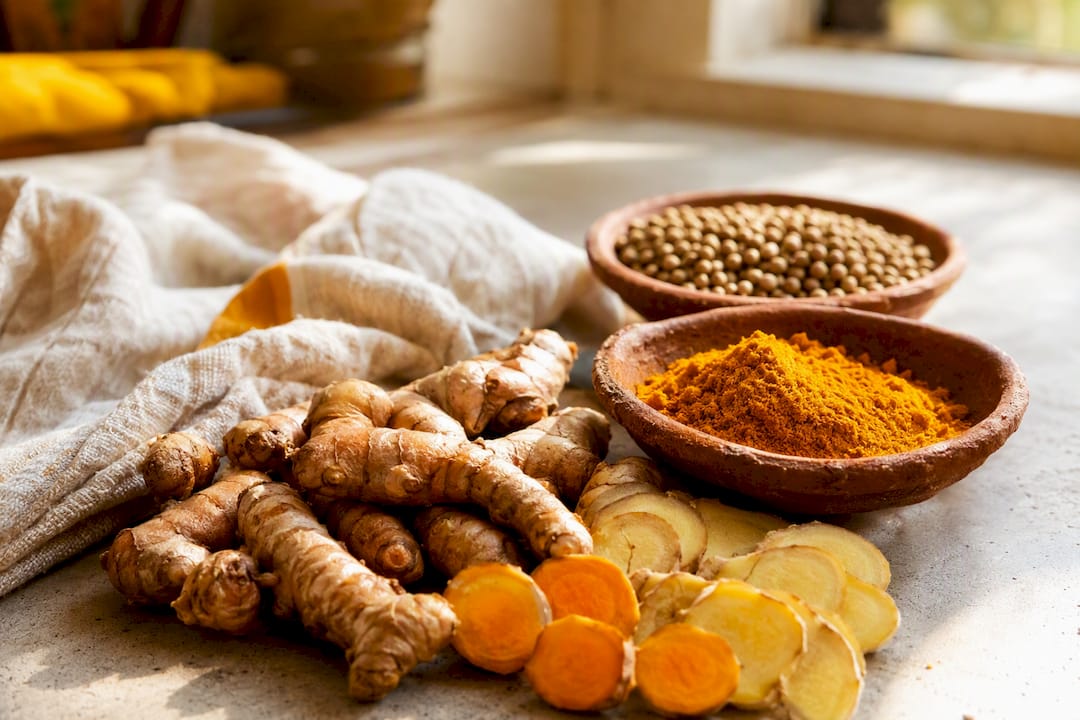
Ginger, whether steeped into tea or grated into khichdi, is widely used at home to ease digestive discomfort and settle a queasy stomach, both common complaints among older adults managing multiple medications. Turmeric brings warm color and a mild earthiness to dals and paneer dishes, and its long-standing role in Indian kitchens as an anti-inflammatory ingredient makes it a natural fit for a senior’s plate, even if it’s more folk wisdom than clinical prescription. Fennel and cumin, often chewed after a meal or brewed into a light tea, support digestion in a gentle way that doesn’t compete with any medication schedule.
None of these ingredients replace medical treatment, and they shouldn’t be framed that way. But weaving them into soft, familiar snacks gives seniors something that tastes like home while doing quiet, supportive work in the background. A pinch of turmeric in a paneer scramble or a thin slice of ginger simmered into khichdi costs nothing extra and adds a layer of comfort that plain, clinical “diet food” rarely delivers.
Balancing What Tastes Good With What the Body Needs
Here’s the tension every caregiver eventually runs into: the snacks a senior grew up loving are often the same ones a doctor would ask them to eat less of. Fried namkeen, sugar-heavy mithai, and salty pickles carry real emotional weight, tied to festivals, family kitchens, and decades of memory. Cutting them out entirely, cold turkey, tends to backfire, either through resentment or through appetite loss when food stops feeling like food.
The better path is substitution, not elimination. A soft besan chilla delivers the same savory, spiced satisfaction as a fried snack, minus the oil. A small square of dark chocolate barfi, portioned smaller than tradition dictates, satisfies a sweet craving without the full sugar load of a festival-sized serving. Roasted chana, lightly spiced with chaat masala, scratches the same itch as a fried namkeen mix. The spices stay. The cooking method changes.
This is also where portion size does more work than restriction. A senior who diabetes management requires limiting sweets doesn’t necessarily need to give up kheer entirely, just a smaller cup, timed after a protein-rich meal rather than eaten alone. Flavor and health goals aren’t actually opposites here. They just need a caregiver willing to adjust the how, not eliminate the what.
Snacking Around Diabetes, Hypertension, and Common Conditions
Diabetes and hypertension show up often enough among Indian seniors that snack planning has to account for them by default, not as an afterthought. For someone managing blood sugar, pairing carbohydrates with protein and fiber slows the glucose spike considerably, which is exactly why moong dal chilla or khichdi with dal outperforms plain rice or a sugary snack on its own. Portion size matters more than perfection: a smaller serving of a beloved sweet, eaten occasionally, does less damage than a strict ban that leads to binge eating later.
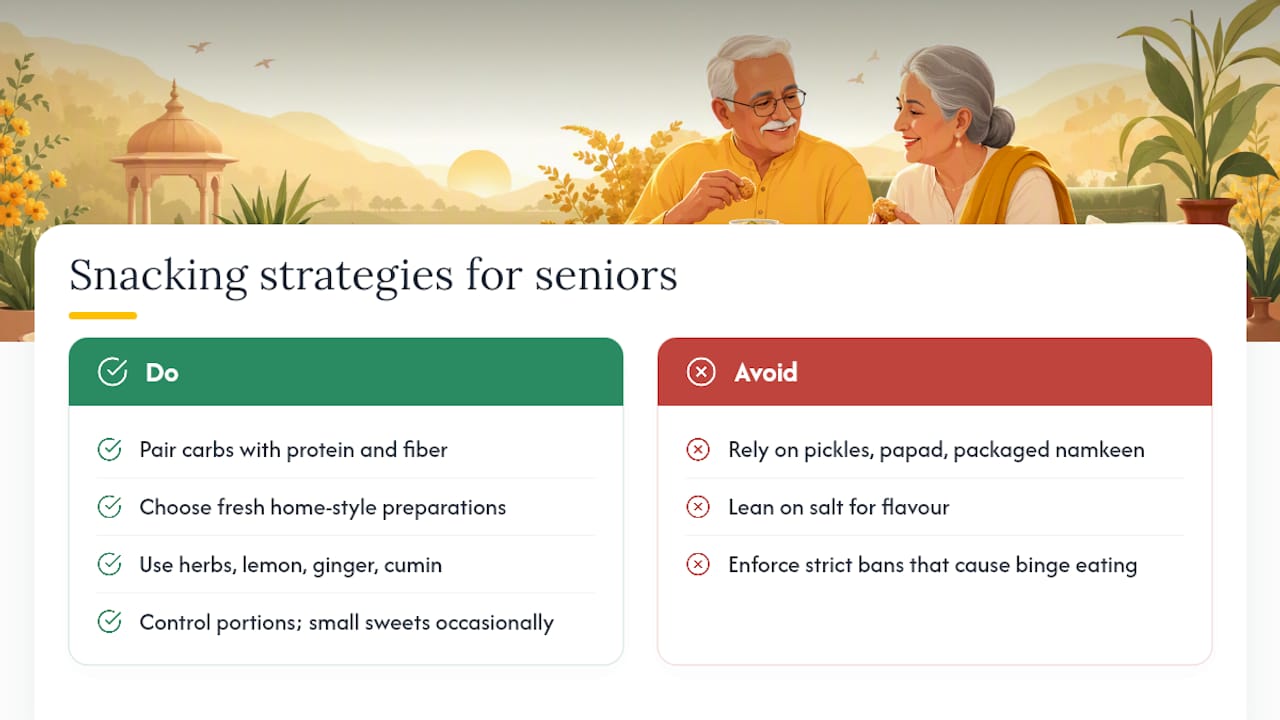
For hypertension, sodium is the main lever. Pickles, papad, and many packaged namkeen mixes carry a heavy salt load, so limiting these in favor of fresh, home-style preparations makes a measurable difference over weeks, not days. Cooking with fresh herbs, lemon, ginger, and cumin instead of leaning on salt for flavor keeps snacks interesting without the sodium spike.
Other common concerns worth factoring in include lactose sensitivity, which may call for lactose-free yogurt or paneer alternatives, and low iron, where mashed chana, dal, and leafy greens folded into khichdi offer a gentle boost. None of this requires a separate “senior diet plan.” It just requires reading each snack through the lens of the specific condition at the table, rather than applying one generic rule to everyone.
Why Desimunchiess Focuses on Homemade-Style, Senior-Friendly Snacks
We built Desimunchiess around the idea that snacks should taste like they came from someone’s kitchen, not a factory line. That means handcrafted recipes, real ingredients, and a direct-to-consumer model that lets us hear what customers actually need, including caregivers looking for something softer and lower in sodium.
Choices like softer baked biscuits and small-portion roasted legumes come from thinking hard about texture and control, not just flavor. shapes how we approach recipe development, and guides our quality checks behind every batch.
— Shivam
How to Choose Senior-Friendly Snacks From Desimunchiess
If you’re shopping our site for a parent or grandparent, a few product cues make the decision easier. Look for soft baked biscuits that can be softened further with a splash of warm milk, small-portion roasted legume packs that limit overeating in one sitting, and cottage-style snack options built around gentler textures.
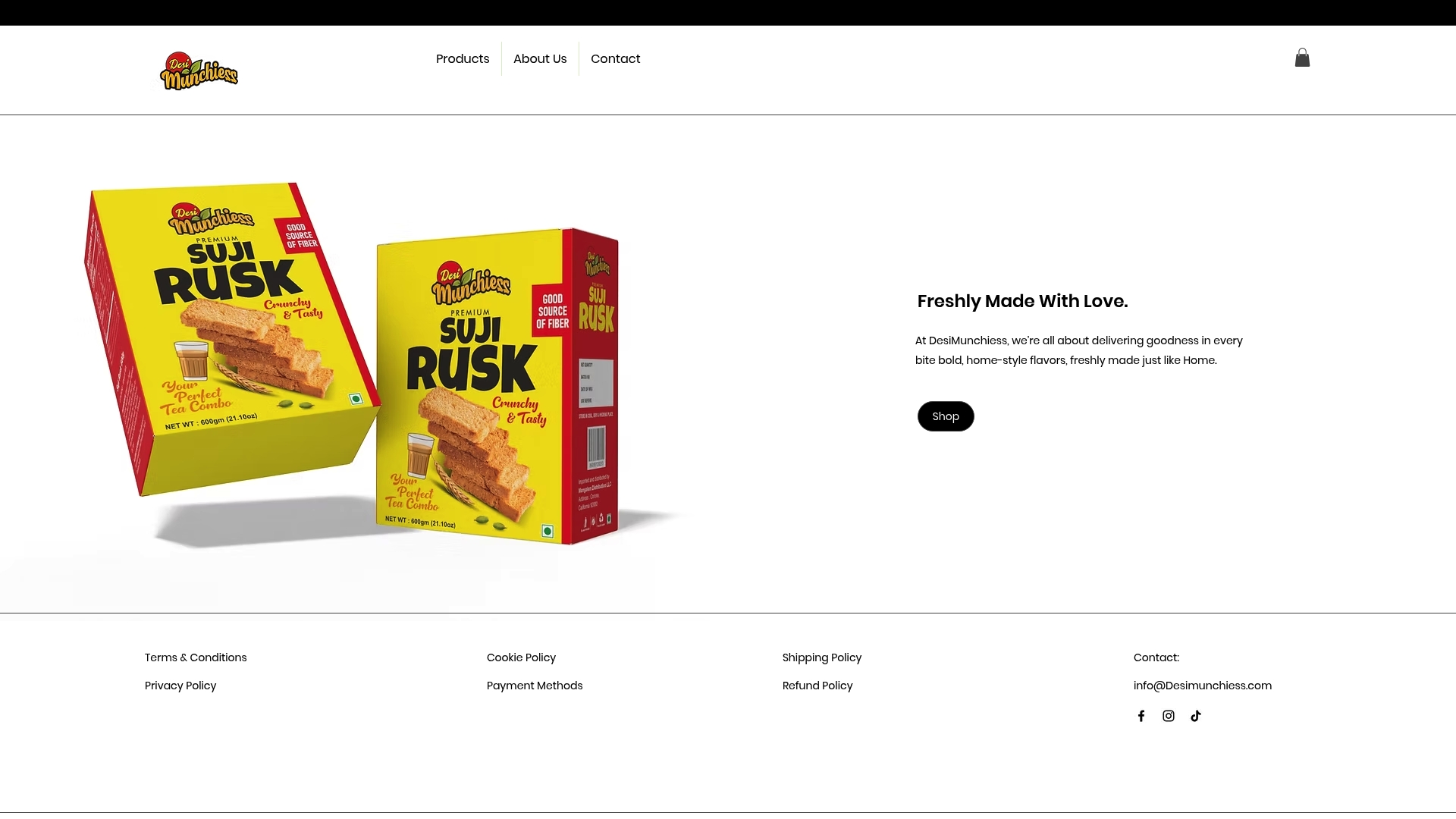
When you’re scanning product descriptions, prioritize listings that mention “soft,” “baked” rather than fried, and lower-sodium formulations. Smaller container sizes also help, since they keep portions in check and reduce the chance of a senior snacking on a large bag out of habit rather than hunger. Our approach leans on handcrafted, small-batch preparation specifically so we can keep bold, authentic flavor while still making room for gentler textures where it matters. Browse the full range on the Desimunchiess storefront and pick out a few soft-texture options to try with your family this week.
Sources
Recommended
Comments