
What Does Snack Diversity in India Mean for Food Lovers

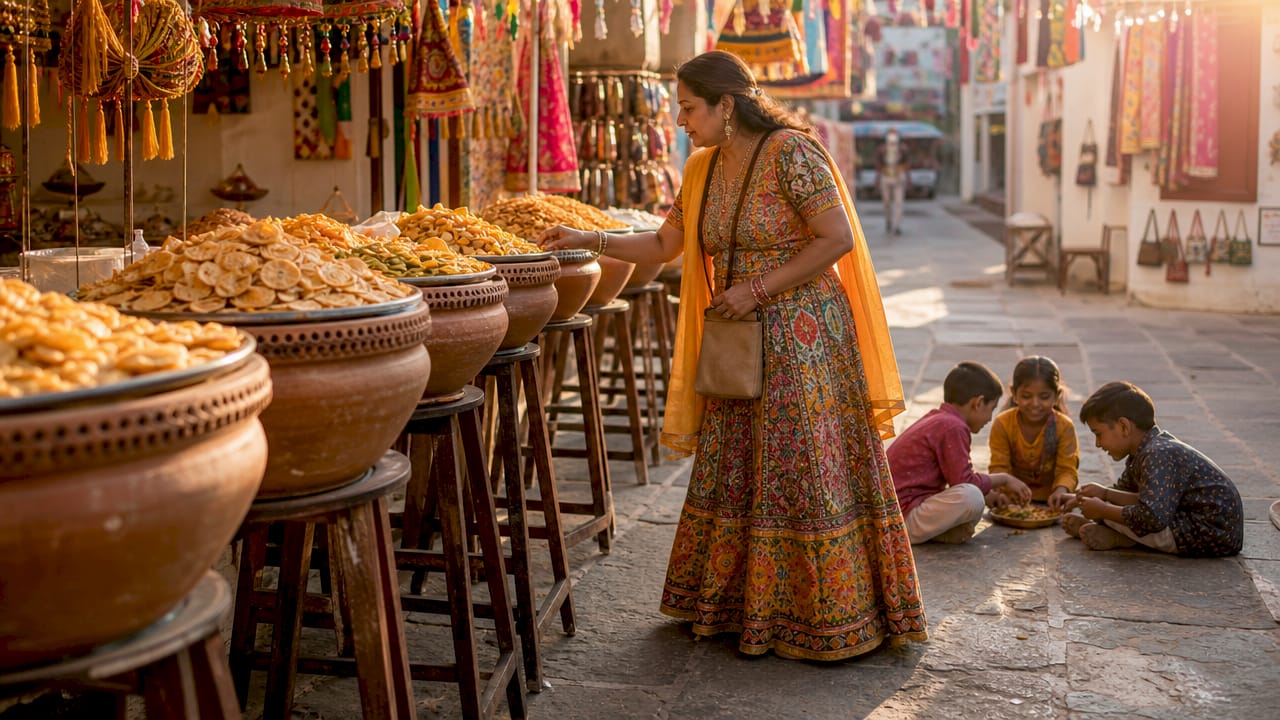
Snack diversity in India is defined as the vast, region-specific range of edible bites shaped by geography, climate, religion, caste, and centuries of culinary tradition. This is not simply about having many snack options. It is about how a crispy bhujia from Bikaner tells a completely different story than a soft dhokla from Ahmedabad, even though both are beloved across the country. India’s snack market has grown from $0.9 billion in retail sales in 2006 to $38 billion in 2019, a figure that reflects how deeply snacking is woven into daily life. Understanding what snack diversity truly means requires looking at the forces behind each bite: the soil, the season, the festival, and the family recipe passed down for generations.
What does snack diversity in India mean, region by region?
The geography of India is the single biggest driver of snack variety. North India, South India, East India, and West India each rely on different staple crops, and those crops define what people snack on every day.
North India favors wheat, which is why samosas, kachoris, and mathris dominate the snack scene from Delhi to Lucknow. These snacks are typically fried, spiced with cumin and coriander, and built for the cooler, drier climate of the Indo-Gangetic plain. South India, by contrast, leans heavily on rice and lentils. Murukku, a spiral-shaped fried snack made from rice flour, and steamed idli served with coconut chutney represent a completely different flavor logic: lighter, tangier, and often fermented.
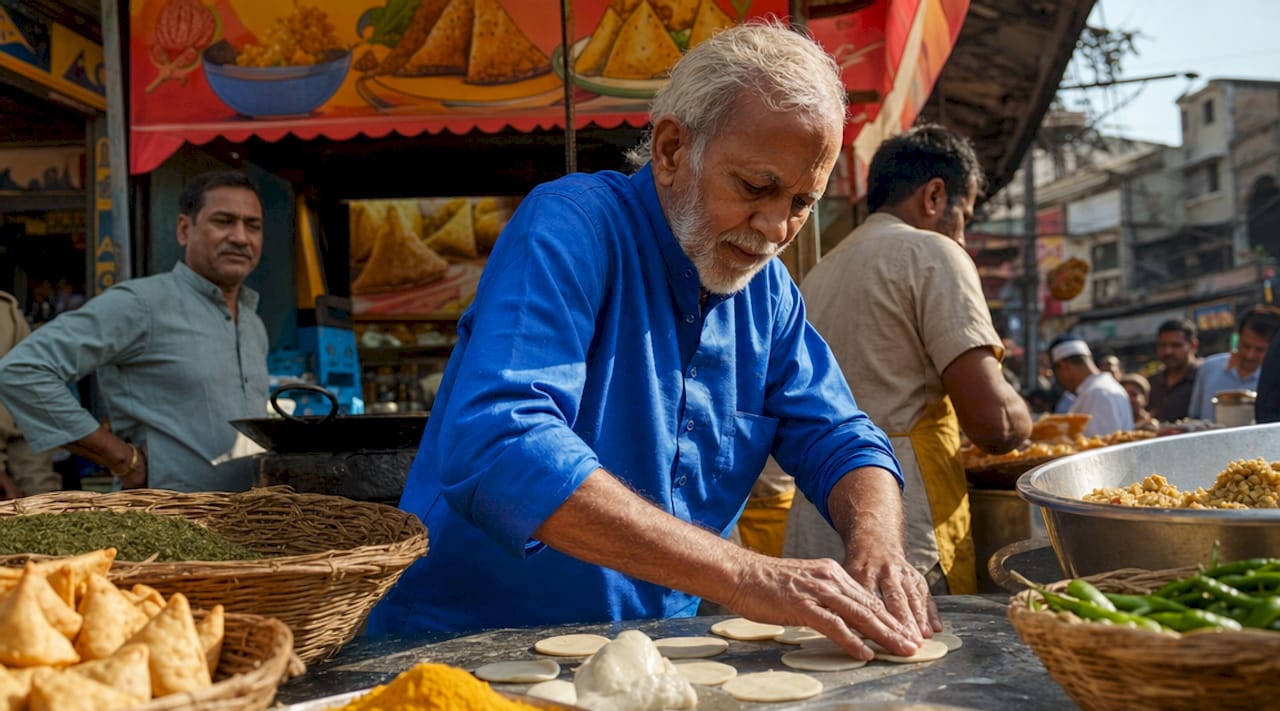
Climate shapes more than just ingredients. Warm, humid climates favor fermented and steamed snacks because they are easier to digest and preserve without refrigeration. This is why South and East India have such a strong tradition of fermented snack foods, from the sour notes in dosa batter to the tangy punch of Odisha’s pitha. The snack is, in many ways, a climate solution.
Here is a quick look at how regional staples translate into snack identity:
North India: Wheat-based snacks like samosas, kachoris, and aloo tikki. Bold spice profiles using garam masala and amchur.
South India: Rice and lentil-based snacks like murukku, medu vada, and banana chips. Coconut and curry leaf are signature flavor notes.
West India: Gram flour (besan) dominates in snacks like dhokla, fafda, and chakli. Flavors balance sweet, sour, and spicy simultaneously.
East India: Rice-based snacks like muri (puffed rice) and pithas. Mustard oil and panch phoron spice blends give a distinctly earthy character.
Region | Key Staple | Signature Snack | Dominant Flavor |
North India | Wheat | Samosa, Kachori | Spicy, savory |
South India | Rice, lentils | Murukku, Medu Vada | Tangy, nutty |
West India | Gram flour | Dhokla, Fafda | Sweet-sour-spicy |
East India | Rice | Muri, Pitha | Earthy, mustard-forward |
Pro Tip: When trying regional snacks for the first time, pair them with their traditional accompaniments. Murukku with coconut chutney, or chaat papdi with tamarind and yogurt, delivers the full flavor experience the recipe was designed for.
What cultural and social roles do snacks play across Indian communities?
Snacks in India are not just food. They are social currency. The 4 p.m. chai-time ritual is one of the most consistent social practices across the country, cutting across class and region. Whether it is a plate of pakoras in a Mumbai household or a bowl of muri with mustard oil in Kolkata, the act of sharing a snack over tea is a daily ritual of connection.
Beyond daily rituals, snacks serve as markers of identity. Consider how snacks signal belonging:
Religious identity: Jain households in Gujarat avoid root vegetables, so their snacks like fafda and khakhra are built around above-ground ingredients. Muslim households in Hyderabad favor snacks like sheer khurma and haleem during Ramadan.
Festival traditions: Diwali brings ladoos, chaklis, and namak pare into every home. Holi is incomplete without gujiya. These snacks are not optional additions to the celebration. They are the celebration.
Regional pride: A Bihari will defend litti chokha as a complete snack experience. A Punjabi will insist that Punjabi tadka flavors are unmatched. Snack preference is a form of regional identity.
Social bonding: Snacks are almost always shared. Eating a snack alone is the exception, not the norm, in Indian social culture.
“Snack diversity is fundamentally about experience, where flavor, texture, and tradition converge to narrate regional histories and social customs.” Navallanga Blog
The Chana Ladoo, for instance, is not just a sweet snack. It appears at weddings, religious offerings, and festive boxes across North and Central India. Its presence signals celebration. This is what makes Indian snack culture so layered: the same bite carries social meaning that no ingredient list can fully capture.
How is innovation changing the traditional snack scene in India?
Gen Z and Millennials are the primary force behind snack innovation in India today. They grew up eating traditional snacks at home and global fast food outside, and they now want both in the same product. This has produced a genuinely new category of Indian snack: the fusion bite.
The results are surprising and delicious. Peri Peri bhujia. Korean BBQ namkeen. Mexican jalapeño chakli. These are not gimmicks. They are responses to a generation that treats chaat masala and sriracha as equally familiar flavor anchors. The nostalgia marketing approach used by many snack brands leans into this perfectly: traditional textures like the crunch of bhujia or the chew of a rice cracker serve as the delivery vehicle for bold new flavors.
Here is what is actually driving snack innovation in India right now:
Flavor globalization: Flavors like Peri Peri, Sriracha, and Cheese Nacho are now standard options in Indian snack aisles, applied to traditional bases like makhana, poha, and namkeen.
Health-forward reformulation: Brands are replacing refined flour with millets, oats, and chickpea flour to appeal to health-conscious buyers without sacrificing crunch.
Packaging and portion innovation: Single-serve packs and resealable pouches have made snacking more convenient for urban consumers on the move.
Regional snack premiumization: Traditional snacks from specific regions, like Rajasthani ghevar or Bengali mishti doi bites, are being packaged and marketed nationally as premium artisan products.
Pro Tip: If you want to understand how innovation and tradition coexist in Indian snacking, try a mango candy that uses real aam pulp. It bridges the gap between a grandmother’s homemade aam papad and a modern packaged snack, delivering both nostalgia and convenience.
What are the health and market trends shaping Indian snack diversity today?
The Indian snack market tells two stories at once. One is about explosive growth. The other is about growing concern.
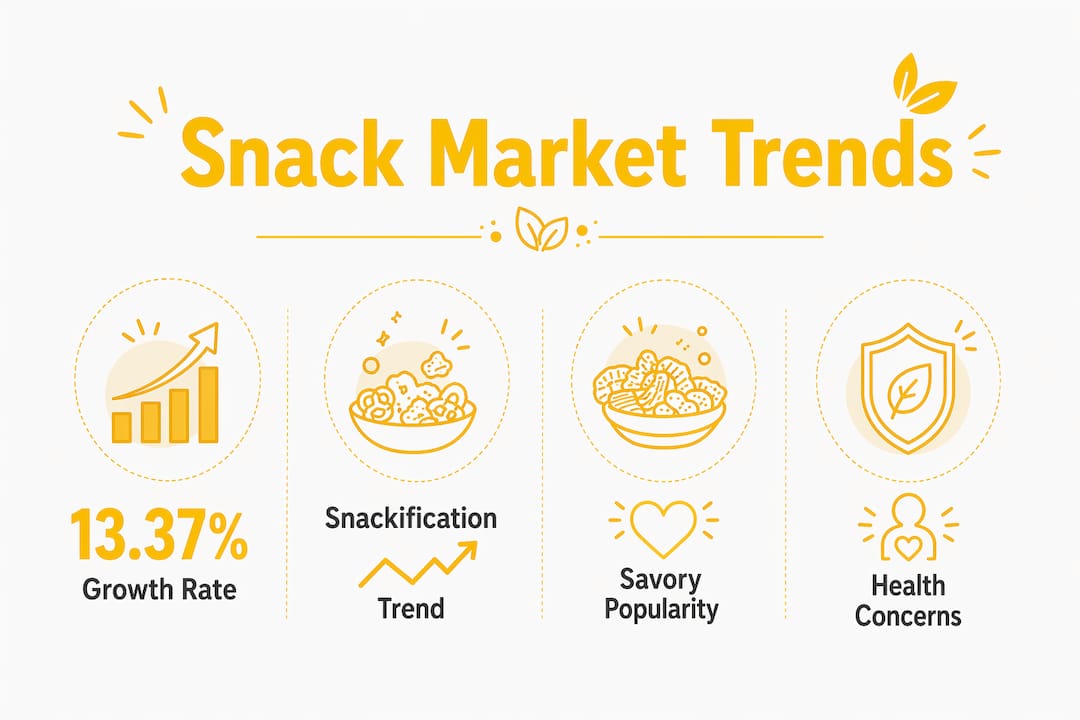
The Ultra-Processed Food sector in India grew at a 13.37% CAGR from 2011 to 2021. This means packaged snacks, instant noodles, and ready-to-eat bites are replacing home-cooked snacks at a rapid pace. That growth reflects genuine consumer demand for convenience, but public health experts caution that this shift is altering India’s traditional diet in ways that may affect long-term nutrition. The concern is not snacking itself. It is the quality of what is being snacked on.
Trend | What It Means | Consumer Impact |
Snackification | More meals replaced by snack-sized portions | Higher snack frequency, lower meal formality |
UPF growth at 13.37% CAGR | Packaged snacks dominate retail shelves | Less exposure to traditional homemade snacks |
Millet and grain-based snacks | Health-conscious reformulation | More nutritious options entering mainstream |
Regional snack premiumization | Traditional snacks marketed nationally | Broader access to authentic regional flavors |
The diversity of Indian snacks spans savory namkeens and bhujias to sweets like ladoos and fruit-based bites, creating a layered snacking ecosystem. The healthiest version of this ecosystem is one where traditional, minimally processed snacks hold their ground alongside modern packaged options. Brands that use real ingredients, traditional recipes, and honest production methods are the ones keeping that balance alive. The Masala Sabji Pakora is a good example: a vegetable-forward, spiced snack that satisfies the craving for something bold without the ingredient list of a factory-made product.
Key takeaways
Snack diversity in India is defined by regional geography, cultural identity, and the ongoing tension between traditional recipes and modern innovation.
Point | Details |
Geography drives flavor | North, South, East, and West India each produce distinct snacks based on local staple crops and climate. |
Snacks carry social meaning | Chai-time rituals, festivals, and religious practices all use snacks as markers of identity and community. |
Innovation is real and growing | Gen Z and Millennials are driving fusion snack trends that blend global flavors with traditional Indian bases. |
Market growth has health implications | The UPF sector grew at 13.37% CAGR from 2011 to 2021, raising questions about nutritional quality. |
Tradition and modernity coexist | The strongest snack brands balance nostalgia marketing with genuine ingredient quality and authentic recipes. |
Why snack diversity is the most honest map of India I know
I have spent years eating my way across India, and I can tell you this: no guidebook, no history lesson, and no documentary has taught me more about a place than its snacks. Walk into a Kolkata street market and eat muri with raw mustard oil and green chilies. Sit in a Gujarati home at 4 p.m. and eat fafda with papaya chutney. These are not just food experiences. They are geography lessons, social studies classes, and family histories rolled into one bite.
What I find most fascinating is how snack diversity resists homogenization better than almost any other food category. Full meals have been standardized by restaurant chains and food delivery apps. But snacks, especially the ones made at home or by small regional producers, still carry the fingerprint of their origin. A Rajasthani dal baati churma is not interchangeable with a Bengali moa, even though both are beloved snacks. That specificity is worth protecting.
My honest view is that the real threat to Indian snack diversity is not fusion innovation. Fusion is fine. The real threat is when convenience replaces craft entirely, when a factory-made product with 30 ingredients replaces a hand-rolled snack made with three. The solution is not to reject modern snacking. It is to stay curious about where your snacks come from and who made them.
— Shivam
Explore authentic Indian snacks with Desimunchiess
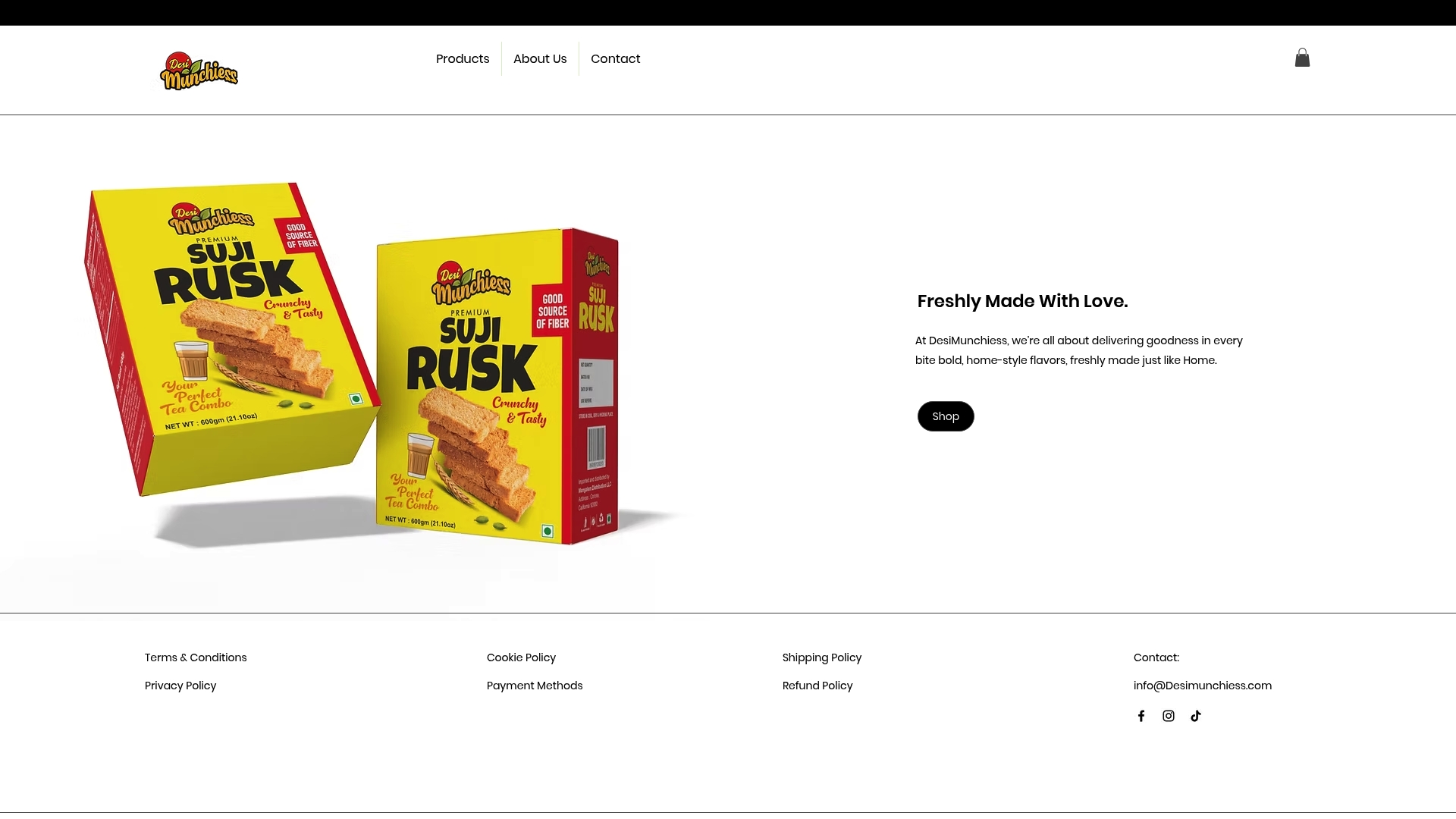
At Desimunchiess, we believe every snack should taste like it was made with love in someone’s kitchen. That is exactly what we do. Our range covers traditional regional favorites and bold new flavors, all made fresh with real ingredients and no shortcuts. From crispy savory bites to festive sweets, every product on Desimunchiess is a direct expression of India’s snack culture. If you are ready to explore the real depth of Indian snack varieties, from North Indian classics to South Indian staples, we have got something for every craving. Shop with us and taste the difference that handcrafted, home-style production makes.
FAQ
What does snack diversity in India mean?
Snack diversity in India means the wide range of snacks shaped by regional geography, staple ingredients, climate, religion, and cultural traditions across the country’s distinct zones. It reflects India’s social fabric as much as its culinary history.
Which regions of India have the most distinct snack cultures?
North India is known for wheat-based fried snacks like samosas, South India for rice and lentil-based snacks like murukku, West India for gram flour snacks like dhokla, and East India for puffed rice and mustard-flavored bites. Each region’s snack profile is a direct product of its agriculture and climate.
How are traditional Indian snacks different from modern packaged snacks?
Traditional Indian snacks use minimal, locally sourced ingredients and are often made fresh or in small batches, while packaged snack foods in the Ultra-Processed Food category have grown at a 13.37% CAGR and typically contain more additives and preservatives.
What role do snacks play in Indian festivals and social life?
Snacks are central to Indian festivals: ladoos and chaklis appear at Diwali, gujiya at Holi, and sheer khurma during Ramadan. The 4 p.m. chai-time ritual is a daily social practice where snacks serve as the foundation for community and connection.
Are fusion snacks replacing traditional Indian snacks?
Fusion snacks are growing rapidly, driven by Gen Z and Millennial preferences for global flavors applied to traditional Indian bases. However, traditional snacks remain deeply embedded in regional identity and festive culture, meaning both categories coexist rather than one replacing the other.
Recommended
Comments