
Homemade Flavor Snacks Without Preservatives: 2026 Guide

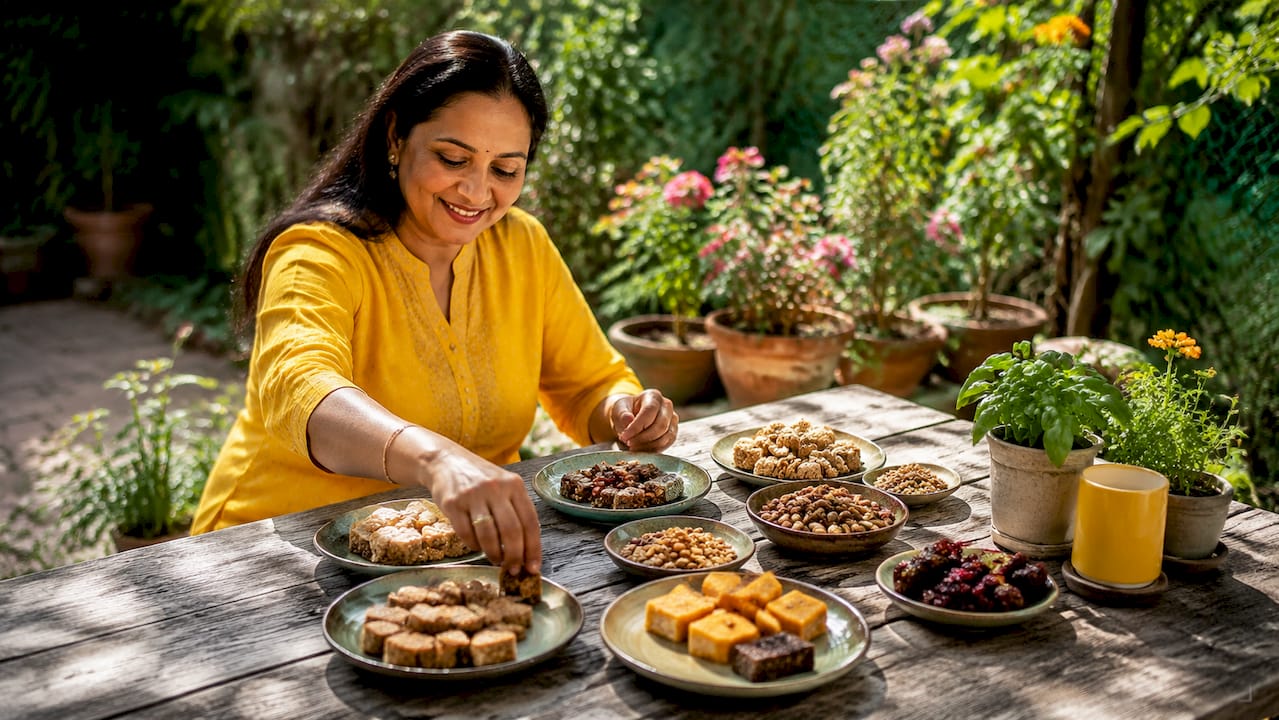
Homemade flavor snacks without preservatives are fresh, wholesome treats made from real ingredients and stored safely without artificial additives like BHA, BHT, or sodium benzoate. The food industry currently uses over 10,000 food chemicals in U.S. products, many linked to hormonal disruption and carcinogenic risk. Choosing preservative-free snacks at home puts you back in control of what your family actually eats. With the right ingredients, preparation methods, and storage tools like airtight glass jars and BPA-free silicone containers, you can make healthy homemade snacks that taste bold, stay fresh, and skip the chemistry lab entirely.
What makes homemade flavor snacks without preservatives work
The foundation of any preservative-free treat is ingredient selection. Whole foods like rolled oats, raw almonds, pumpkin seeds, dried mango, and unsweetened coconut flakes deliver natural flavor without needing artificial stabilizers. These ingredients also carry functional roles beyond taste. Salt and sugar, for example, reduce moisture to prevent bacteria, which is why traditional recipes relied on them heavily before refrigeration existed.
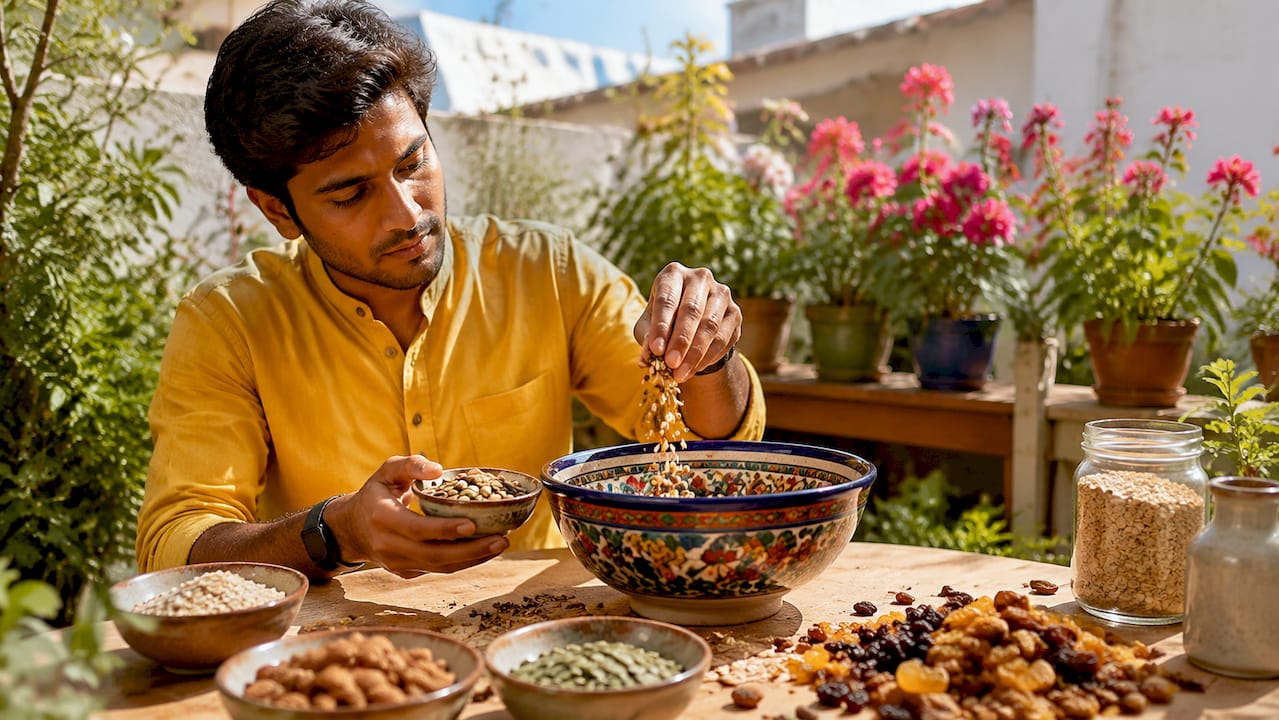
When you reduce or eliminate salt and sugar to make snacks healthier, you shift the product from shelf-stable to perishable. That is not a problem. It just means your storage strategy needs to compensate. Understanding this trade-off is what separates snacks that stay good for a week from ones that go stale or moldy in two days.
Natural flavor enhancers do the heavy lifting here. Vanilla extract, ground cinnamon, smoked paprika, lemon zest, and toasted cumin add depth without any artificial additives. These are the same flavor principles behind traditional Indian snack making techniques that have produced bold, satisfying results for generations.
Use whole foods: oats, nuts, seeds, dried fruits, and legumes as your base
Avoid anything labeled with sodium benzoate, TBHQ, or artificial colors
Choose natural flavor enhancers: cinnamon, vanilla, lemon juice, chili powder, and turmeric
Watch moisture content: high-moisture ingredients like fresh fruit shorten shelf life significantly
Keep ingredient lists short. If you cannot pronounce it, it probably does not belong
Pro Tip: Add a teaspoon of lemon juice to fruit-based snack mixes. The natural acidity slows oxidation and brightens flavor without any chemical intervention.
How to prepare preservative-free snacks for maximum freshness
Preparation technique matters as much as ingredients. The goal is to remove as much moisture as possible before storage, because sealing warm food traps condensation and accelerates bacterial growth within 24 hours. Every step in your preparation process should work toward a dry, cool, fully finished product.
Follow this sequence for dry snacks like granola bars, roasted chickpeas, seed crackers, and dehydrated fruit:
Bake or dehydrate thoroughly. Granola should feel dry and slightly firm when it comes out of the oven, not soft or chewy. Crackers need to be fully crisp. Dehydrated fruit should have no visible moisture when pressed.
Cool completely on a wire rack. Give snacks at least 30 to 45 minutes at room temperature before touching them. Rushing this step is the single most common cause of premature spoilage.
Portion into single servings before storing. Single-serving portioning before freezing prevents thaw-refreeze contamination and keeps snacks safe without preservatives. The same logic applies to room-temperature storage: smaller portions mean less repeated exposure to air and humidity.
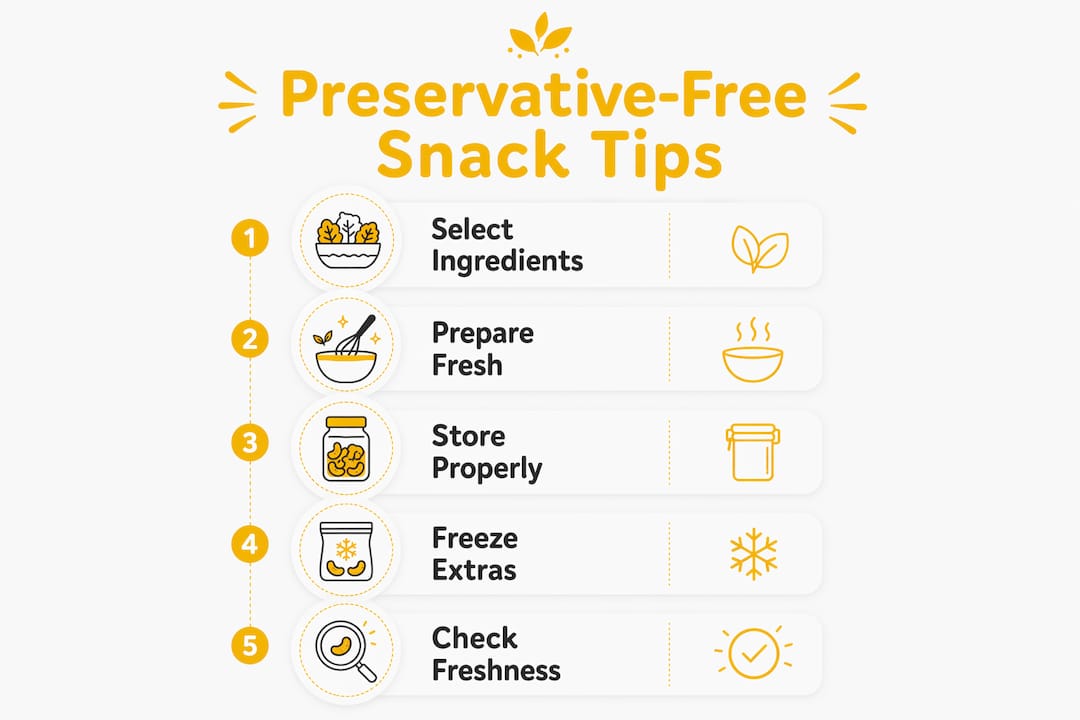
Choose your storage environment based on snack type. Dry snacks go in airtight containers at room temperature. High-moisture snacks like energy balls with dates or nut butter go in the refrigerator. Anything you will not eat within five days goes straight to the freezer.
Label every container. Write the snack name, date made, and any allergen notes. Rotation matters when you are making batches weekly.
For snacks containing eggs, meat, or dairy, the timeline tightens considerably. Refrigerated products last 1 to 2 days, and frozen versions stay safe for one to three months. Knowing these windows prevents food waste and keeps your family safe.
Pro Tip: Make two or three snack varieties in one baking session and freeze the extras in labeled silicone bags. You get a week of variety with one hour of effort.
How to store homemade snacks safely without losing flavor
Storage is not an afterthought. Container choice is effectively part of the recipe when you are working without preservatives. The wrong container undoes every careful preparation step you took.
Choosing the right container
Glass mason jars with rubber-sealed lids are the gold standard for dry snacks. They do not absorb odors, they are easy to clean, and they create a genuinely airtight seal. BPA-free silicone bags work well for portioned frozen snacks because they compress flat and stack efficiently. Resealable kraft paper bags with inner foil lining are a decent middle option for snacks you will finish within three days.
Avoid thin plastic bags for anything longer than 24 hours. They allow micro-permeation of air and humidity, which shortens shelf life noticeably. For snacks with strong spices like chili or cumin, glass is especially important because plastic absorbs flavor compounds over time.
Storage environment guide
Snack type | Best storage | Safe duration |
Granola, roasted nuts, seed crackers | Airtight glass jar, room temperature | Up to 7 days |
Energy balls, nut butter bars | Refrigerator, sealed container | 4 to 5 days |
Baked goods with eggs or dairy | Refrigerator | 1 to 2 days |
Any snack for longer storage | Freezer, portioned servings | 1 to 3 months |
Dry snacks fare better at room temperature for up to one week because refrigeration causes retrogradation in starch-based foods, making them stale faster. This surprises most people who assume the fridge always extends freshness. For granola, crackers, and roasted chickpeas, a cool pantry shelf beats the refrigerator every time.
Add a food-grade silica gel desiccant packet to jars storing crackers or granola in humid climates
Never seal a container until the snack is fully at room temperature
Store spiced snacks away from direct sunlight to preserve both color and flavor
Check stored snacks every two days for off smells, visible mold, or texture changes
Common mistakes that ruin preservative-free snacks
Most snack failures trace back to a small set of predictable errors. Recognizing them early saves you time, ingredients, and frustration.
Sealing snacks while warm. This is the most damaging mistake. Condensation forms inside the container and creates the exact moisture environment bacteria need to grow. Always wait for full cooling.
Ignoring humidity. Even a perfectly sealed jar can fail in a humid kitchen. Desiccant packets cost almost nothing and extend shelf life by days in warm, moist climates.
Cutting salt and sugar without adjusting storage. Reducing these ingredients is fine for health reasons, but it removes their natural preserving function. Snacks with less salt or sugar must move to the refrigerator or freezer faster than traditional recipes.
Batch sizes that are too large. Making two weeks of snacks at once sounds efficient. In practice, the last portion often spoils before you reach it. Smaller, more frequent batches produce better results.
Skipping the date label. Without a label, you are guessing. Guessing leads to eating snacks past their safe window.
“Improper sealing of warm snacks leads to rapid moisture buildup and microbial growth.” Glennys.com, 2026
Spoilage signs to watch for include off or sour smells, visible white or green mold, unusual stickiness in dry snacks, and any change in color that was not there when you sealed the container. When in doubt, throw it out. No snack is worth a foodborne illness.
For families exploring lesser-known Indian snack types that are naturally low in moisture and preservative-free, many traditional recipes already account for these storage realities through their preparation methods.
Key takeaways
Making great preservative-free snacks requires matching your ingredients, preparation method, and storage container to the moisture level and intended shelf life of each snack.
Point | Details |
Ingredient selection matters | Use whole foods and natural flavor enhancers; avoid BHA, BHT, and artificial colors. |
Cool before sealing | Sealing warm snacks traps condensation and causes bacterial growth within 24 hours. |
Container is part of the recipe | Glass jars and BPA-free silicone outperform thin plastic for airtight, odor-free storage. |
Dry snacks stay fresher at room temperature | Refrigeration causes staling in starch-based snacks; use the freezer for long-term storage instead. |
Portion before freezing | Single-serving portions prevent thaw-refreeze contamination and maintain safety without preservatives. |
Why I stopped overthinking preservative-free snacking
by Shivam
For a long time, I treated preservative-free snacking as a complicated project. I researched every ingredient, worried about every storage decision, and ended up making it harder than it needed to be. The shift happened when I started treating storage as part of the recipe rather than a separate step. Once I accepted that a snack made without BHA or sodium benzoate simply behaves differently than a packaged product, everything got simpler.
My weekly routine now takes about an hour. I roast a batch of spiced nuts with smoked paprika and a little sea salt, make a tray of oat and date bars, and portion everything into glass jars before it cools. The jars go on the counter for the week. Anything I will not finish in five days goes into the freezer in silicone bags, labeled with the date.
The flavor combinations I keep coming back to are cinnamon and cardamom on roasted almonds, and chili-lime on pumpkin seeds. Both are bold enough to satisfy a real craving without needing any artificial flavor boost. I have found that healthy snack alternatives with strong natural spice profiles are the ones people actually reach for repeatedly, not the bland “healthy” options that feel like a compromise.
My honest advice: start with one snack type, get your storage routine right for that one, then add variety. Trying to make five different snacks in your first week is how you end up with a fridge full of things that went bad before you could eat them.
— Shivam
Bold flavors, no preservatives: shop Desimunchiess
If you love the idea of preservative-free snacking but want a head start on bold, authentic flavor, we have got you covered.
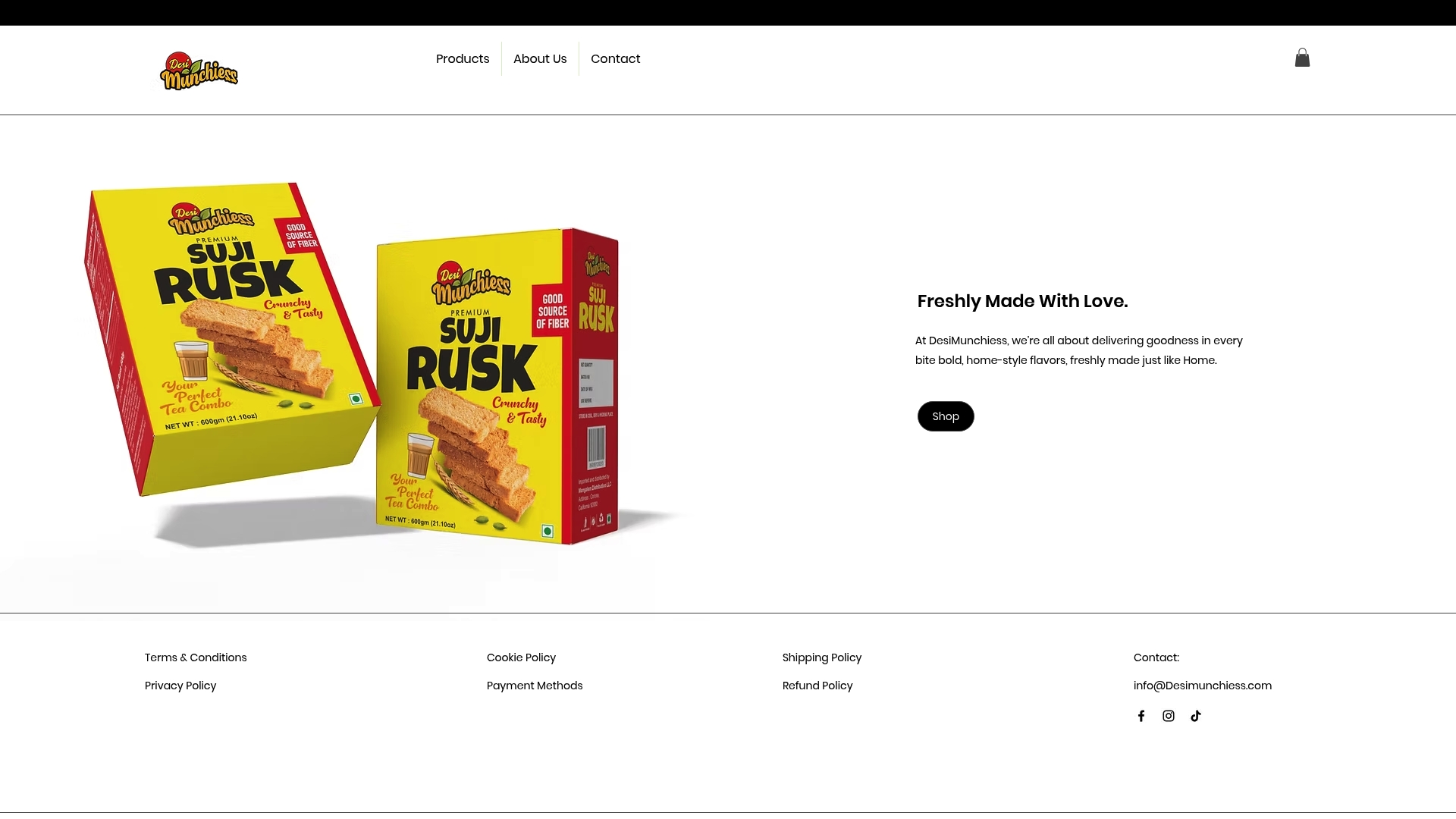
At Desimunchiess, we make every snack fresh, by hand, using traditional recipes and quality ingredients. No artificial additives. No shortcuts. Just real flavor you can taste. Our Priniti Tasty Nuts make a perfect base for homemade nut mixes, and our Indian snacks online collection covers everything from spiced mixtures to classic munchies. Whether you are building your own recipes or looking for a ready-made preservative-free treat, we are here for it. Come explore what fresh, home-style snacking really tastes like.
FAQ
What are homemade flavor snacks without preservatives?
Homemade flavor snacks without preservatives are fresh snacks made from whole food ingredients like nuts, oats, seeds, and spices, with no artificial additives such as BHA, BHT, or sodium benzoate. They rely on proper preparation and storage rather than chemicals to stay fresh and safe.
How long do preservative-free homemade snacks last?
Dry snacks like granola and roasted nuts last up to seven days in an airtight container at room temperature. High-moisture snacks or those containing eggs or dairy last one to two days refrigerated and up to three months frozen.
Why do my homemade snacks go stale or moldy quickly?
The most common cause is sealing snacks before they have fully cooled, which traps moisture inside the container and accelerates bacterial growth. Skipping desiccant packets in humid environments and using thin plastic bags instead of glass or silicone also shortens shelf life significantly.
Can I reduce salt and sugar in homemade snack recipes?
Yes, but reducing salt and sugar removes their natural preserving function, so snacks must be stored in the refrigerator or freezer rather than at room temperature. Shorter consumption windows apply when these ingredients are reduced.
What containers work best for storing preservative-free snacks?
Glass mason jars with rubber-sealed lids are the best option for dry snacks stored at room temperature. BPA-free silicone bags work well for frozen portions, and both outperform thin plastic bags for maintaining freshness and flavor without chemical preservatives.
Recommended
Comments