
Heritage Indian Snack Recipes: A Home Cook's Guide

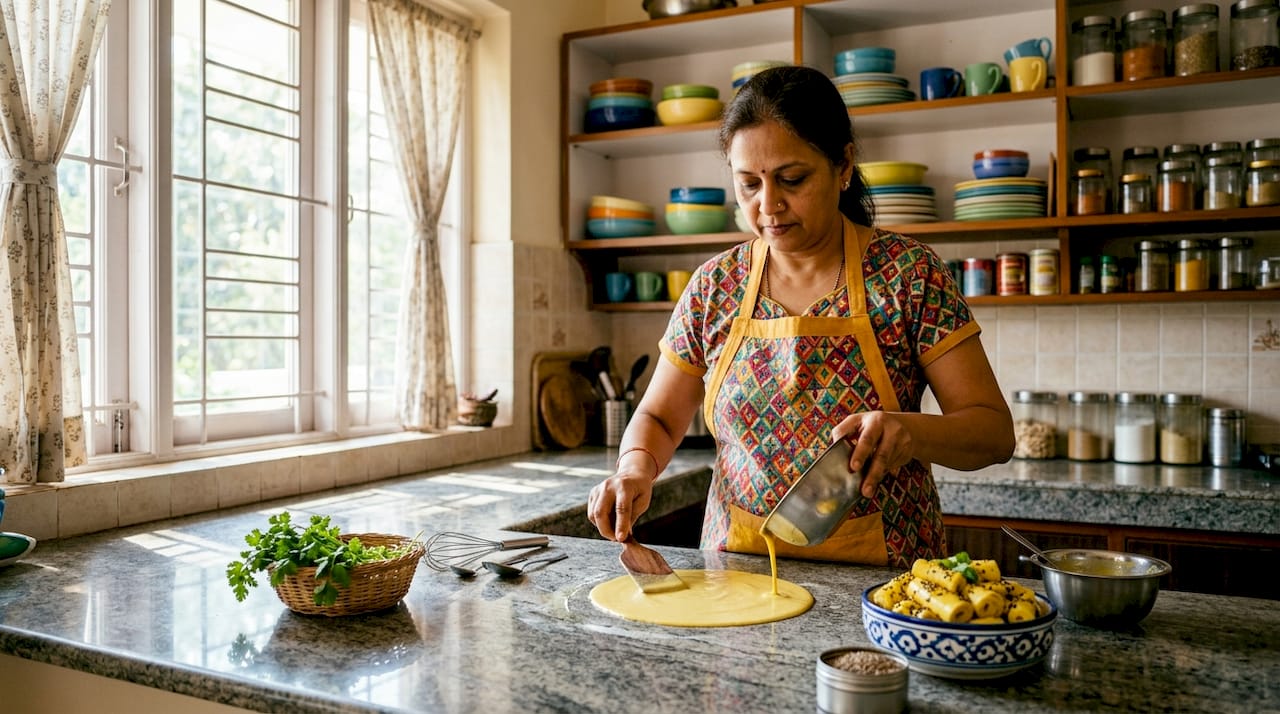
Heritage Indian snack recipes are authentic traditional preparations rooted in regional ingredients, time-honored cooking methods, and cultural memory passed down through generations. These are not just snacks. They are edible history. From the crispy spirals of Murukku in Tamil Nadu to the silky rolls of Khandvi in Gujarat, each recipe carries the fingerprint of its home region. This guide answers what are heritage Indian snack recipes, explains the techniques that make them authentic, and gives you the practical knowledge to recreate them at home with confidence.
What are the most iconic heritage indian snack recipes?
Heritage snack recipes India are defined by their regional roots, specific flour combinations, and preparation rituals that vary dramatically from state to state. These are not mass-produced formulas. They are recipes shaped by local harvests, festival calendars, and family kitchens.
Here are the most celebrated examples, organized by region:
Kothimbir Vadi (Maharashtra): A steamed then fried snack made from fresh coriander and gram flour. The dual cooking method takes roughly 40 minutes of active work plus 30 minutes of cooling, yielding about 24 pieces with a firm interior and crispy exterior.
Murukku (South India): A spiral-shaped, deep-fried snack made with rice flour and urad dal flour. The rice-to-urad dal ratio sits at approximately 2:0.5, which produces the signature light, crisp snap that distinguishes authentic Murukku from imitations.
Khandvi (Gujarat): A steamed gram flour roll tempered with mustard seeds, curry leaves, and sesame seeds. It requires only 10 minutes of prep and 20 minutes of cooking, but the batter consistency and spreading speed are critical.
Diamond Biscuits (North India): A savory fried snack made with whole wheat flour, all-purpose flour, and semolina, spiced with carom and cumin seeds. These are traditional for Diwali and Krishna Janmashtami.
Rajasthani Moong Dal Mathri: A deep-fried snack cooked on low flame until golden, designed for long shelf life. When stored properly, it stays fresh for months.
Each of these snacks reflects a distinct regional culinary style. Understanding how regional styles shape snacks helps you appreciate why a Gujarati Khandvi and a Maharashtrian Kothimbir Vadi taste so different despite both using gram flour.
Which ingredients and techniques define authentic flavors?
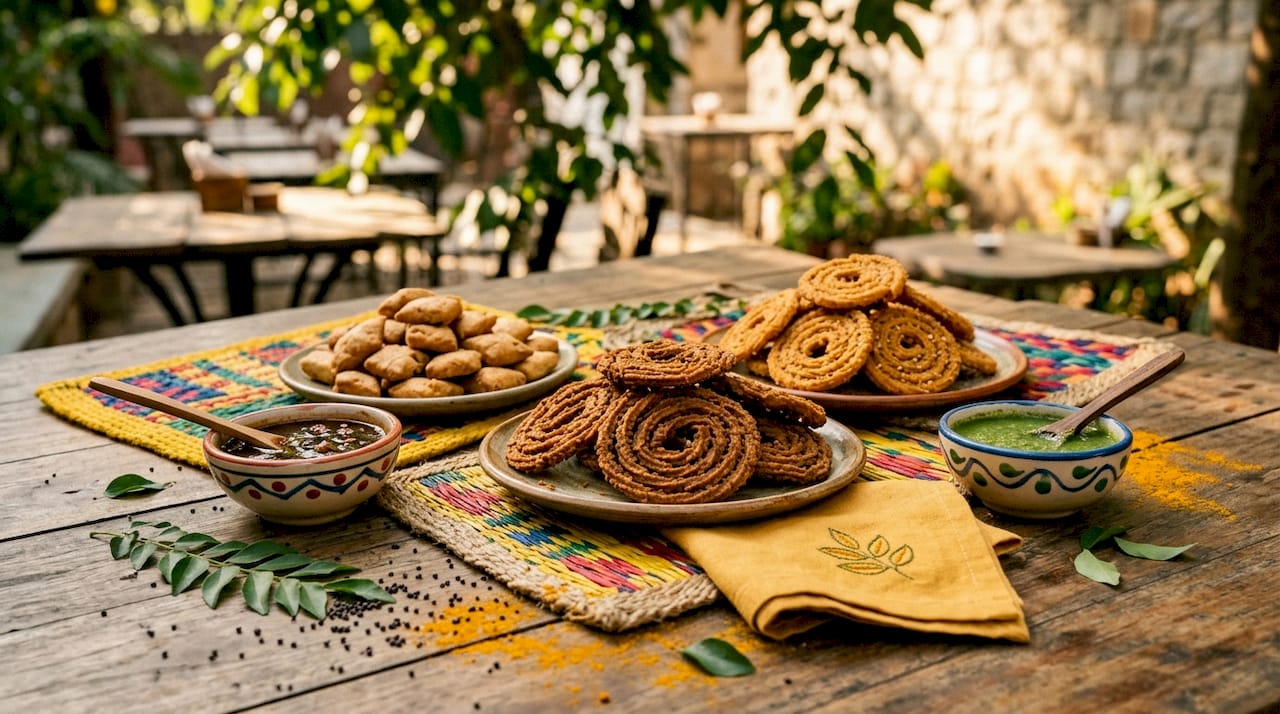
Authentic heritage snack recipes depend on specific flours, precise ratios, and preparation sequences that cannot be casually swapped without changing the result. The flour is not interchangeable. The technique is not optional.
The most critical ingredients across traditional Indian snack ideas are:
Gram flour (besan): The base for Khandvi, Kothimbir Vadi, and Gathiya. Its protein content determines batter behavior during cooking.
Rice flour: The primary flour in Murukku and Chakli. Freshly roasted urad dal flour combined with rice flour produces a lighter, crisper texture compared to pre-packaged blends.
Semolina (rava/sooji): Used in Diamond Biscuits and several North Indian snacks to add a slightly coarse bite and structural integrity.
Whole wheat flour: Common in Mathri and Mathri-style snacks for a denser, more rustic texture suited to long storage.
Carom seeds (ajwain) and cumin: These two spices appear in nearly every savory heritage snack. They are not decorative. They are digestive aids with a flavor function.
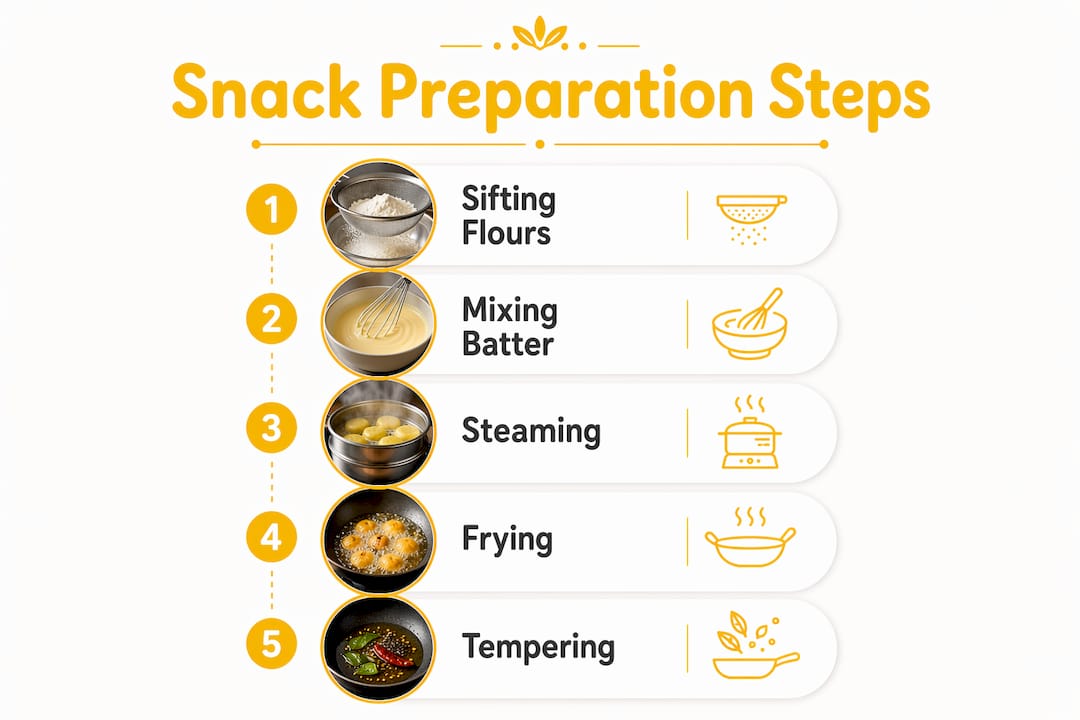
The preparation sequence matters just as much as the ingredients. Steaming before frying, as in Kothimbir Vadi, creates a firm structure that supports the crispy fried exterior. Skipping the steam step produces a snack that falls apart in oil. In Murukku, rubbing butter into flour before adding liquid shortens the gluten strands, producing a lighter crunch instead of a dense, hard bite. Frying at medium-low heat prevents burning the outside while leaving the center raw, a principle that applies to Mathri, Chakli, and Diamond Biscuits alike.
Pro Tip: Sieve your rice flour and gram flour before mixing. Lumps in the dough create uneven frying and weak spots in shaped snacks like Chakli or Khandvi rolls.
How do you adapt these recipes for home cooking?
Recreating popular Indian snacks at home feels intimidating at first. The good news is that most heritage recipes were designed for home kitchens, not commercial facilities. The complexity is mostly perceived, not real.
Here is how to approach home adaptation without losing authenticity:
Replace specialized tools with common alternatives. A Chakli press can be substituted with a cookie press or a piping bag fitted with a star tip. Khandvi does not require a marble slab. A greased stainless steel plate or the back of a baking sheet works just as well.
Work in small dough batches. Batch preparation in smaller portions prevents the dough from drying and cracking before you shape it. This is especially true for spiral-shaped snacks and layered snacks like Bhakharwadi.
Rest your dough. For Mathri and Gathiya, a 15–20 minute dough rest relaxes the gluten and makes shaping far easier. Skipping this step produces tough, uneven pieces.
Store correctly from the start. Once cooled completely, store fried snacks in airtight containers away from humidity. Mathri and Chakli stay crisp for weeks this way. Khandvi, being steamed, should be refrigerated and consumed within two days.
Substitute with care. If fresh coriander is unavailable for Kothimbir Vadi, dried coriander powder changes the texture significantly. The fresh herb provides moisture that binds the gram flour batter. Substituting it requires adjusting the liquid ratio.
Pro Tip: For your first attempt at Khandvi, make a small test batch of batter and spread a tablespoon on a plate to check consistency before cooking the full quantity. If it peels cleanly after cooling, your batter is ready.
You can also explore snack-making techniques that cover methods for extending freshness and getting the right texture on your first try.
What cultural and festive roles do these snacks play?
Heritage Indian snacks are not just food. They are social currency. Offering a plate of freshly made Chakli or Khandvi to a guest communicates care, skill, and cultural pride in a way that store-bought snacks simply cannot replicate.
“Making thin Khandvi sheets or forming Gathiya is a demonstration of skill. These snacks honor guests and showcase cultural refinement.” — GujaratiEats Insights on Heritage Snacks
Festivals drive the production calendar for most heritage snack recipes. Diamond Biscuits and Chakli are made in large batches for Diwali. Kothimbir Vadi appears during Ganesh Chaturthi celebrations in Maharashtra. Mathri is prepared for Holi and Karva Chauth in Rajasthan and North India. The festive Indian snack options you prepare at home carry this symbolic weight.
Tea time is the other anchor. Heritage snacks tie deeply into Indian chai-time culture, connecting family memories and comfort across generations. A cup of masala chai alongside a plate of Murukku or Mathri is not just a snack break. It is a ritual that has structured afternoon life in Indian households for centuries. Regional Indian snack recipes reflect local customs so precisely that food historians use them to trace migration patterns and trade routes across the subcontinent.
Key takeaways
Heritage Indian snack recipes deliver authentic regional flavors through specific flours, precise ratios, and preparation sequences that cannot be simplified without changing the result.
Point | Details |
Regional identity defines flavor | Each snack, from Khandvi to Murukku, reflects its home region’s ingredients and cooking style. |
Flour choice is non-negotiable | Gram flour, rice flour, and semolina each behave differently and cannot be freely substituted. |
Technique sequence matters | Steaming before frying, as in Kothimbir Vadi, creates structural integrity that frying alone cannot achieve. |
Home adaptation is practical | Most heritage snacks were designed for home kitchens and require only common tools with the right method. |
Cultural context adds meaning | These snacks carry festive, hospitality, and chai-time significance that makes them more than just food. |
Why i think most home cooks underestimate these recipes
I have watched people avoid Khandvi for years because they assume the batter spreading step requires professional skill. It does not. What it requires is confidence and one test tablespoon before you commit to the full batch. The first time I made Chakli, I used a piping bag instead of a press. The spirals were imperfect. They tasted exactly right.
The real barrier to authentic Indian street food recipes at home is not technique. It is the belief that complexity equals inaccessibility. Most of these recipes have three to five core ingredients. The traditional grains and flours used in heritage snacks also carry genuine nutritional value that refined snack alternatives lack. That is a bonus worth noting.
Start with Kothimbir Vadi or Diamond Biscuits. Both are forgiving on the first attempt. Once you nail the dual cooking method or the spice balance, you will find that every other heritage recipe feels more approachable. The flavors you get from a properly made Murukku or a well-tempered Khandvi are genuinely unlike anything you can buy. That gap between homemade and mass-produced is exactly why these recipes are worth your time.
— Shivam
Taste the tradition with Desimunchiess
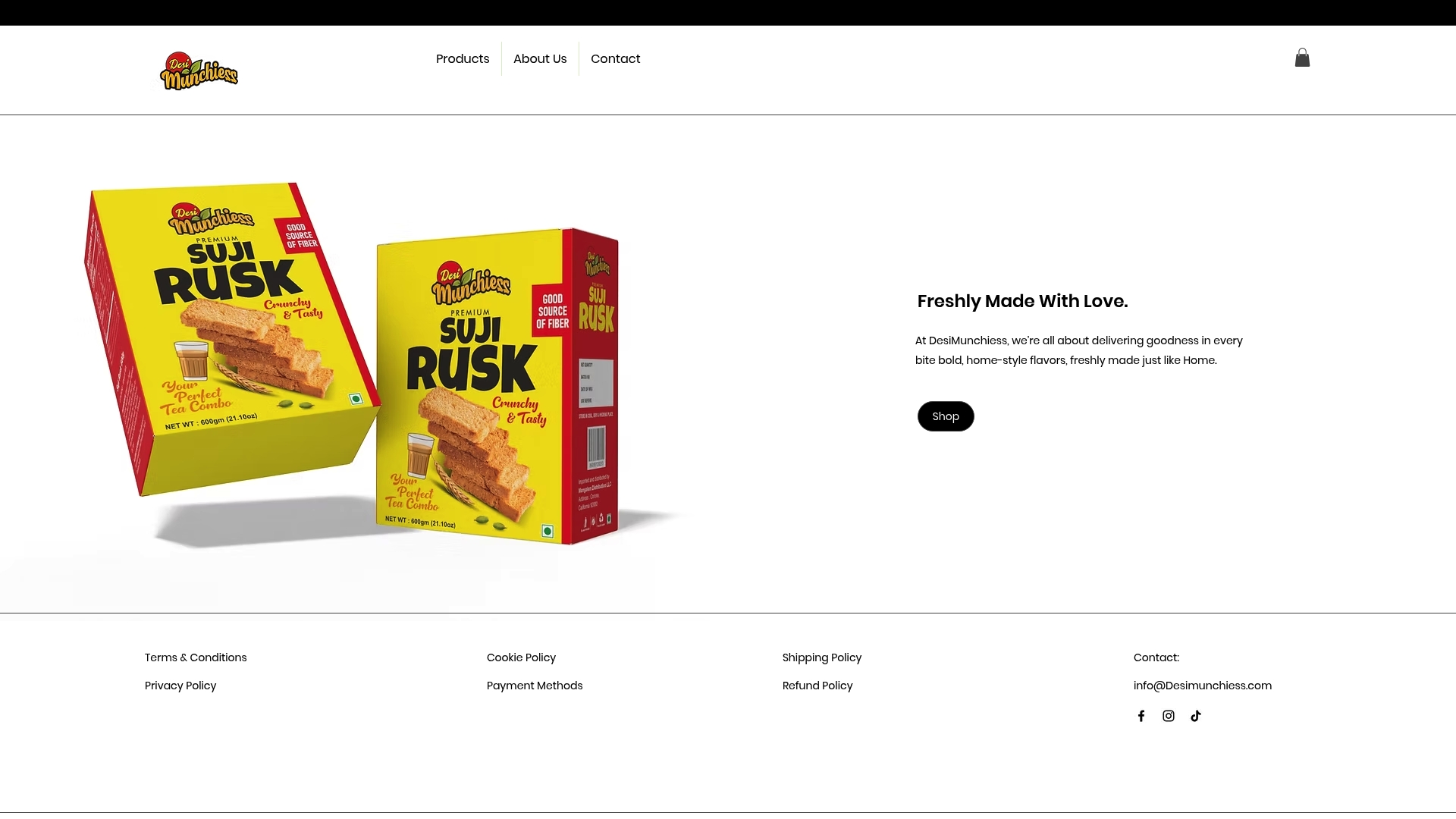
We know that recreating heritage snacks at home takes time and practice. Sometimes you want that bold, authentic flavor right now, without the prep. That is exactly why Desimunchiess exists. We make freshly prepared, home-style Indian snacks using traditional recipes and quality ingredients, so every bite feels like it came from a family kitchen. Whether you are exploring authentic Indian snacks online for the first time or looking for a ready option to pair with your homemade batch, we have got you covered. Try our Tikoni Mathi for a classic savory experience, or grab the Navratan Mixture for bold, layered flavor in every handful.
FAQ
What defines a heritage indian snack recipe?
Heritage Indian snack recipes are traditional preparations tied to specific regions, using time-honored ingredients like gram flour, rice flour, and semolina, along with preparation methods passed down through generations.
Which heritage indian snack is easiest for beginners?
Kothimbir Vadi and Diamond Biscuits are the most beginner-friendly. Both use simple ingredient lists and forgiving techniques that produce great results on the first attempt.
Can i make murukku without a chakli press?
A piping bag fitted with a star tip works as a direct substitute for a Chakli press. The key is maintaining consistent dough pressure while shaping the spirals.
How long do fried heritage snacks stay fresh?
Properly stored in airtight containers, fried snacks like Mathri and Chakli stay crisp for several weeks. The low-flame frying method used in Rajasthani Mathri is specifically designed for extended shelf life.
Why do heritage indian snacks taste different from store-bought versions?
Freshly roasted flours, hand-measured spice ratios, and dual cooking methods like steaming then frying produce textures and flavors that commercial production cannot replicate at scale.
Recommended
Comments