
Fusion Indian Snack Concepts: A Home Cook's Guide

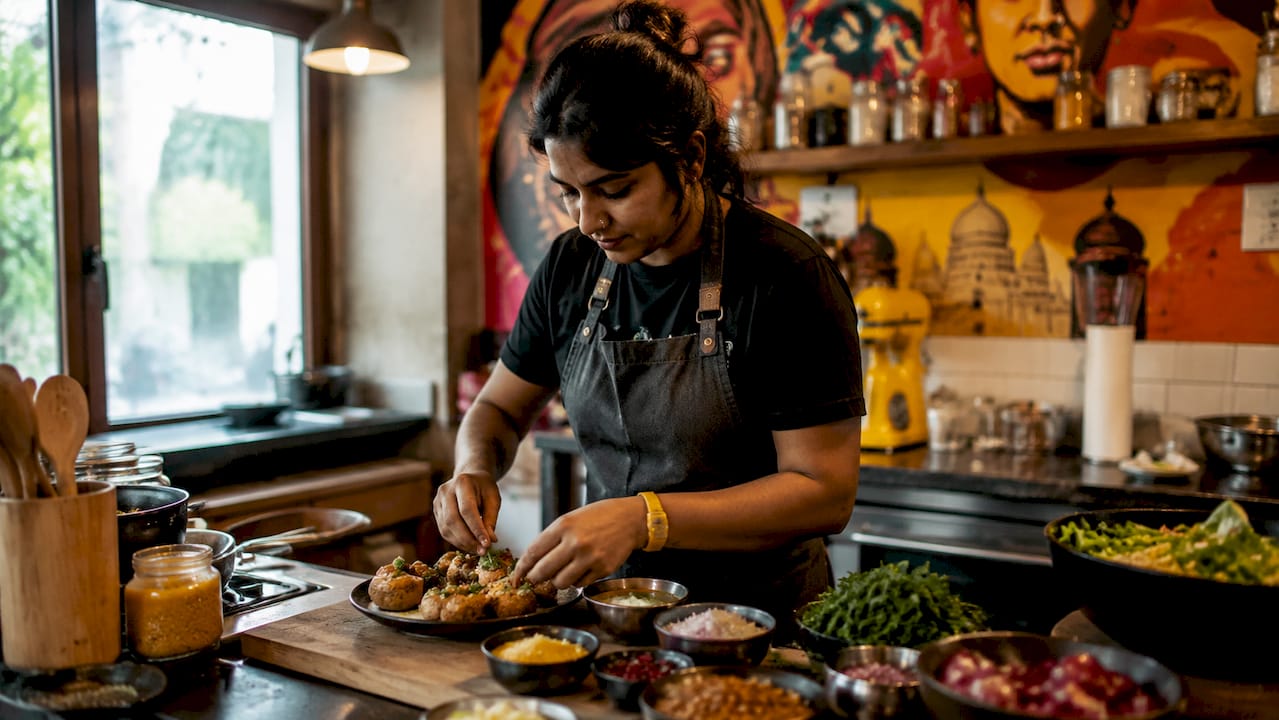
Fusion Indian snack concepts are culinary creations that combine classic Indian ingredients and techniques with global flavors and modern presentations. Think hakka noodles stuffed inside a crispy samosa shell, or Mumbai’s pav bhaji shrunk into a party slider. These are not random mashups. They follow real flavor logic, and that’s what makes them so addictive. If you’ve been curious about what are fusion Indian snack concepts and how to bring them into your own kitchen, this guide breaks down the best examples, the principles behind them, and exactly how to pull them off at home.
What are fusion Indian snack concepts, and why are they so popular?
Fusion cuisine is defined as the practice of combining elements from two or more culinary traditions into a single dish. In the Indian snack world, this means pairing bold spices, chutneys, and street food formats with ingredients or structures borrowed from Chinese, Mexican, American, or European cooking. The result is a new category of creative Indian snacks that feel both familiar and surprising at the same time.
The appeal is real and growing. Indian street food already has one of the most complex flavor profiles in the world, built on contrasts: sweet against sour, spicy against cooling, crunchy against soft. When you introduce a new cultural element into that system, the results can be extraordinary. That’s why Indian snack diversity has become such fertile ground for fusion experimentation.
Social media has accelerated this trend significantly. Viral dishes like Jalebi Chaat from Lucknow’s Chhappan Bhog spread across platforms within days, proving that visually striking and flavor-forward fusion snacks capture attention fast. Home cooks and food enthusiasts are no longer passive observers. They want to recreate and riff on these ideas in their own kitchens.
What are popular examples of fusion Indian snacks?
The most well-known fusion Indian snacks each combine a specific Indian flavor base with a global format or technique. Here’s a breakdown of the most exciting ones.
Snack | Indian Base | Global Influence | Signature Element |
Chinese Samosa | Samosa shell | Indo-Chinese | Hakka noodles, Manchurian sauce |
Pav Bhaji Sliders | Mumbai pav bhaji | American slider | Spicy garlic chutney, mini buns |
Jalebi Chaat | Jalebi, chaat masala | Street food remix | Sweet-spicy-tangy balance |
Beetroot Thecha Pops | Thecha filling | Modern health food | Air-fried beetroot shell |
Sev Puri with Mango-Avocado Salsa | Sev puri | Mexican-inspired | Mango-avocado salsa topping |
The Chinese Samosa is one of the most popular Indo-Chinese fusion snacks, featuring stir-fried hakka noodles, vegetables, and sauces packed inside a traditional samosa wrapper. Popular variations include Chicken, Paneer, Mushroom Manchurian, and Cheese Chinese Samosa. Air frying these instead of deep frying keeps them crispy without the oil load.
Pav Bhaji Sliders miniaturize Mumbai’s iconic street food into bite-sized party snacks. Using day-old rolls prevents soggy buns, and leftover bhaji actually holds shape better than freshly made. Melted butter with cilantro on the bun adds that authentic street-side flavor everyone recognizes.
The Jalebi Chaat is perhaps the boldest fusion concept on this list. It takes sweet, fermented jalebi and layers it with savory chutneys, curd, sev, and masalas. The fermented tang of the jalebi works with the spice rather than against it, creating a multifaceted flavor that’s genuinely hard to stop eating.
Key features that define great fusion Indian snacks:
Miniaturization: Shrinking street food classics into one-bite or two-bite formats for parties
Sauce integration: Indo-Chinese sauces, tikka-style gravies, or mango-avocado salsas replacing standard chutneys
Cooking method upgrades: Air frying and baking replacing deep frying for lighter textures
Unexpected shells or bases: Beetroot dough, slider buns, or puri cups replacing standard pastry
How do flavor balancing and ingredient substitution work in fusion snacks?
Flavor balancing is the core skill behind every successful fusion Indian snack. The goal is contrast, not competition. Sweet, spicy, tangy, and cooling elements must each have a role, and none should overpower the others.
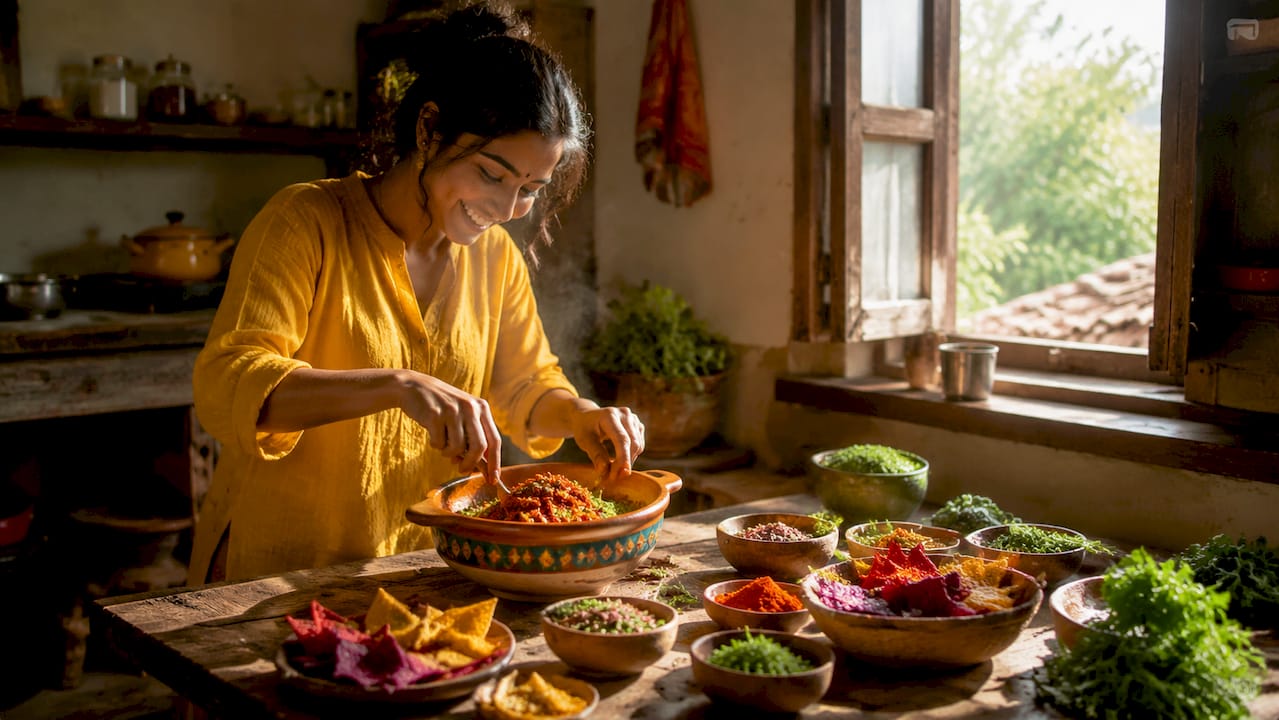
Beetroot Thecha Pops are a perfect case study. The shell is made from sweet beetroot and potato, which naturally offsets the fiery garlicky green chili peanut thecha filling inside. Air-fried at 180°C for 12–15 minutes with flipping, they deliver a crispy exterior without deep frying. The sweetness of the shell and the heat of the filling create a push-pull that keeps every bite interesting.
Ingredient substitution works on the same principle. When you swap a standard pastry shell for a beetroot-potato one, you’re not just changing color. You’re adding a flavor layer that does real work in the dish. The same logic applies to replacing standard chutney with a mango-avocado salsa on sev puri. The creaminess of avocado cools the spice, and the mango adds tropical sweetness that standard tamarind chutney can’t replicate.
Key flavor balancing principles for fusion Indian snacks:
Lead with contrast: Pair a sweet base with a spicy filling, or a rich sauce with a crunchy shell
Add a cooling layer: Cilantro-lime crema, curd, or avocado cuts through heat and richness
Control sauce thickness: Thick fusion gravies cling to bases without causing sogginess, which is the most common failure point
Use fermented elements: Jalebi’s fermented tang, yogurt, or tamarind add depth that fresh ingredients alone cannot
Balance textures: Every snack needs at least one crunchy, one soft, and one creamy element
Fusion snacks succeed when the focus is on what tastes good rather than strict authenticity. A “Midnight in Mumbai” poutine, for example, replaces standard poutine gravy with spiced tikka gravy and adds cilantro-lime crema to balance the richness of cheese curds. That’s not a compromise. That’s a deliberate flavor decision.
Pro Tip: Assemble fusion chaat snacks in a small production line right before serving. Prep all components separately, then put them together at the last moment to keep every layer crispy and fresh.
What are practical fusion snack ideas for home cooks?
Home cooks have a real advantage with fusion snacks. You already know your pantry, your spice tolerance, and what your guests love. That knowledge is the starting point for great fusion snack ideas.
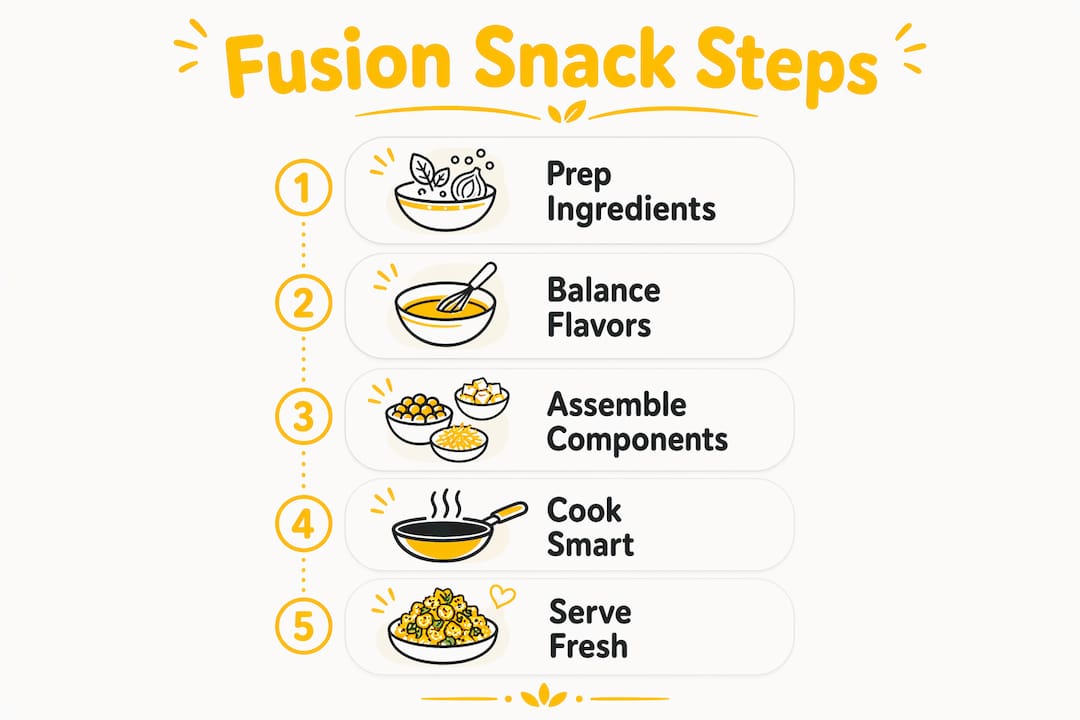
Here’s a practical sequence for building a fusion snack from scratch:
Choose your Indian flavor base. Start with something you know well: bhaji, thecha, chaat masala, or tikka spice. Familiarity with the base flavor makes the fusion layer easier to control.
Pick a global format. Slider buns, poutine fries, taco shells, or spring roll wrappers all work as vessels for Indian fillings. The format determines the eating experience.
Prep components separately. Chutneys, salsas, sauces, and fillings should all be ready before assembly. This is the single most important prep habit for fusion chaat.
Grease your hands when working with beetroot dough. Beetroot-based dough sticks aggressively. Greased hands make shaping clean and fast.
Freeze uncooked snacks for batch prep. Beetroot Thecha Pops and Chinese Samosas both freeze well before cooking. Adjust air frying time by a few minutes when cooking from frozen.
Assemble at serving time. Assembly timing is the difference between a crispy snack and a soggy one. Never pre-assemble chaat-style snacks.
Use leftovers creatively. Day-old bhaji works better in Pav Bhaji Sliders than fresh bhaji because it holds shape. Leftover tikka can become a poutine topping in minutes.
Pro Tip: Air frying is the best cooking method for most fusion Indian snacks. It delivers the crunch of deep frying at a fraction of the oil, and it’s forgiving enough for home cooks who are still learning timing.
For parties, Pav Bhaji Sliders and Chinese Samosas are the safest bets. Both can be prepped hours in advance and finished quickly. Sev Puri with mango-avocado salsa works beautifully as a passed appetizer because each piece is self-contained and visually striking. You can explore more traditional snack techniques to build the foundational skills that make fusion work.
How do fusion Indian snacks reflect broader culinary trends?
Fusion Indian snacks are not a passing fad. They reflect a genuine shift in how people think about Indian food, both inside and outside India.
Trend Driver | What It Means for Fusion Snacks |
Social media virality | Visually bold snacks like Jalebi Chaat spread fast and drive demand |
Health-conscious cooking | Air frying and baking replace deep frying in modern Indian snack recipes |
Global ingredient access | Avocado, cheese curds, and slider buns are now standard pantry items |
Party culture | Miniaturized, one-bite formats suit entertaining and sharing |
Nostalgia with novelty | Fusion snacks honor Indian roots while adding something unexpected |
The viral success of Jalebi Chaat shows exactly how this works. Lucknow’s Chhappan Bhog created a dish that the internet couldn’t stop sharing because it balanced excess perfectly. Sweet, savory, tangy, and spicy elements all showed up without any one flavor dominating. That kind of balance is what makes a fusion snack shareable and repeatable.
Home cooks are also driving this trend from the ground up. When you layer familiar textures with fresh, unexpected toppings like mango-avocado salsa, you increase the appeal of a dish at parties without needing professional kitchen skills. The barrier to entry for fusion snacks is genuinely low, which is part of why they’ve spread so quickly. For deeper context on how Indian snack culture connects to global trends, the role of desi snacks in food culture is worth exploring.
Key Takeaways
Fusion Indian snack concepts succeed when bold Indian flavors meet global formats, with flavor balance, texture contrast, and smart assembly timing driving every great result.
Point | Details |
Definition is clear | Fusion Indian snacks combine Indian spices and techniques with global formats or ingredients. |
Flavor balance is the core skill | Pair sweet bases with spicy fillings and always include a cooling or creamy element. |
Assembly timing matters most | Prep components separately and assemble at serving time to keep textures crispy and fresh. |
Air frying works best | Air frying delivers crunch without deep frying, making fusion snacks healthier and easier at home. |
Leftovers are an asset | Day-old bhaji and pre-made fillings hold shape better and speed up party prep significantly. |
Why I think fusion snacks are the most exciting thing in Indian cooking right now
I’ve tasted a lot of Indian snacks, and I’ve made even more. The ones that stick with me are never the perfectly traditional ones. They’re the ones where someone made a decision that shouldn’t work on paper but absolutely does on the plate.
Jalebi Chaat is the best example I can give. The first time I heard about it, I thought it was a gimmick. Sweet fried dough with savory chaat toppings? That sounds like a mistake. But the fermented tang in the jalebi does something that no other ingredient can. It bridges the sweet and the spicy in a way that feels inevitable once you taste it.
My honest advice to home cooks is this: stop worrying about whether your fusion snack is “authentic.” That’s the wrong question. The right question is whether the flavors make sense together. If the sweet offsets the heat, if the crunch contrasts the creaminess, if the sauce clings without making things soggy, you’ve done it right. The heritage of Indian snack recipes gives you an incredible foundation. Fusion just gives you permission to build something new on top of it.
Start with one swap. Replace the standard chutney on your sev puri with a mango-avocado salsa. See what happens. That one change will teach you more about flavor balance than any recipe can.
— Shivam
Discover bold Indian snacks at Desimunchiess
We at Desimunchiess love everything about bold, freshly made snacks. Whether you’re building a fusion snack platter for a party or just craving something real and homemade, we’ve got you covered.
Our online Indian snack store carries handcrafted snacks made with authentic recipes and quality ingredients. From spiced nuts that work perfectly on a fusion platter to classic snacks that inspire your next creative twist, every product is made with care. Check out our Tikoni Mathi for a crispy, versatile base that pairs beautifully with fusion dips and toppings. Shop now and bring that home-style boldness to your table.
FAQ
What are fusion Indian snack concepts?
Fusion Indian snack concepts are dishes that combine traditional Indian flavors, spices, or street food formats with ingredients or structures from other culinary traditions. Examples include Chinese Samosa, Pav Bhaji Sliders, and Jalebi Chaat.
What makes a fusion Indian snack successful?
A successful fusion Indian snack balances contrasting flavors, such as sweet against spicy and creamy against crunchy, while keeping sauce thickness controlled so the base stays crispy.
Can home cooks make fusion Indian snacks easily?
Yes. Most fusion Indian snacks use simple techniques like air frying and component-based assembly. Prepping fillings and toppings separately, then assembling at serving time, is the key step most home cooks skip.
What is the best fusion Indian snack for parties?
Pav Bhaji Sliders and Chinese Samosas are the best party options. Both can be prepped hours in advance, cooked quickly, and served as one-bite or two-bite portions that guests can grab easily.
How does air frying change fusion Indian snacks?
Air frying delivers a crispy texture without deep frying, making snacks like Beetroot Thecha Pops lighter and easier to prepare at home. Cooking at 180°C for 12–15 minutes with flipping produces consistent results.
Recommended
Comments