
How to Store Biscuits So They Stay Crisp and Fresh


Once you open a pack of biscuits, let them cool completely if they arrived warm, then move them into an airtight glass or steel container right away. Keep that container in a cool, dry, dark spot like a pantry shelf, never the fridge unless a specific recipe calls for it. If you live somewhere humid, tuck in a small wrapped rice sachet or a sealed silica pack to pull moisture out of the air before it gets to the biscuits.
That’s the whole idea in one breath. Here’s what each part does and why it matters for the rusk, atta biscuits, and cookies you just ordered:
Cool first, seal second. Trapped warmth turns into trapped moisture, and moisture is what softens crunch.
Airtight beats “closed.” A twisted bag or folded carton still lets air in. A jar with a real seal doesn’t.
Skip the fridge. Refrigerators are humid environments, and that humidity works against everything you’re trying to protect.
Add a moisture absorber in sticky climates. Wrapped rice or a sealed silica packet, kept away from direct contact with food, buys you extra weeks of crunch.
Key Takeaways
Preserving crunch in packaged Indian snack biscuits depends on cooling them fully, sealing them airtight, and matching storage time to the biscuit’s moisture and fat content.
Point | Details |
Cool before sealing | Never seal warm biscuits; trapped steam turns straight into softness. |
Use airtight glass or steel | Gasket-sealed jars or steel dabbas block humidity far better than loose bags or cartons. |
Skip the refrigerator | Fridge humidity softens dry biscuits fast; keep them in a cool, dry pantry instead. |
Match storage to biscuit type | Rusk can last months airtight; atta biscuits run 2 to 3 weeks; rich nut cookies need faster rotation. |
Order from Desimunchiess | Small-batch, handcrafted rusk, atta biscuits, and cookies arrive fresh and hold up well when you follow airtight storage at home. |
Table of Contents
How Should You Store Biscuits Every Day?
Good biscuit storage isn’t complicated, but the small habits matter more than people expect. Here’s the everyday routine that keeps a pack tasting like it did the day it arrived.
Let biscuits cool to room temperature before sealing anything. Warm biscuits release steam, and that steam has nowhere to go but back into the biscuit once it’s trapped.
Transfer them into an airtight jar or steel dabba, not the box they came in. Cardboard and thin plastic sleeves aren’t built to block humidity.
Store the container in a pantry or cupboard, away from the stove, the fridge top, or anywhere near a sink. Heat and ambient moisture both work against crispness.
Close the original carton within a day if you haven’t transferred yet. Leaving it open “for later” is the single fastest way to invite soft, stale biscuits.
Refrigeration and freezing aren’t part of the standard routine, and for most rusks, atta biscuits, and traditional cookies, they actually work against you. The one exception is very high-fat or nut-heavy cookies, like kaju or pista varieties, in extremely hot weather, where a sealed container in the fridge can slow oil rancidity for a short stretch. Even then, bring them back to room temperature before eating so the texture isn’t off.
Pro Tip: If your kitchen runs warm, don’t just seal biscuits into a jar and forget them. Check the container weekly for any condensation on the lid. If you see droplets, your seal isn’t doing its job, and it’s time for a better container.
Do Different Biscuit Types Need Different Storage?
Yes, and this is where a lot of home storage advice falls short. Rusk, atta biscuits, and rich cookies behave differently once they leave the factory, because they carry different amounts of moisture and fat.
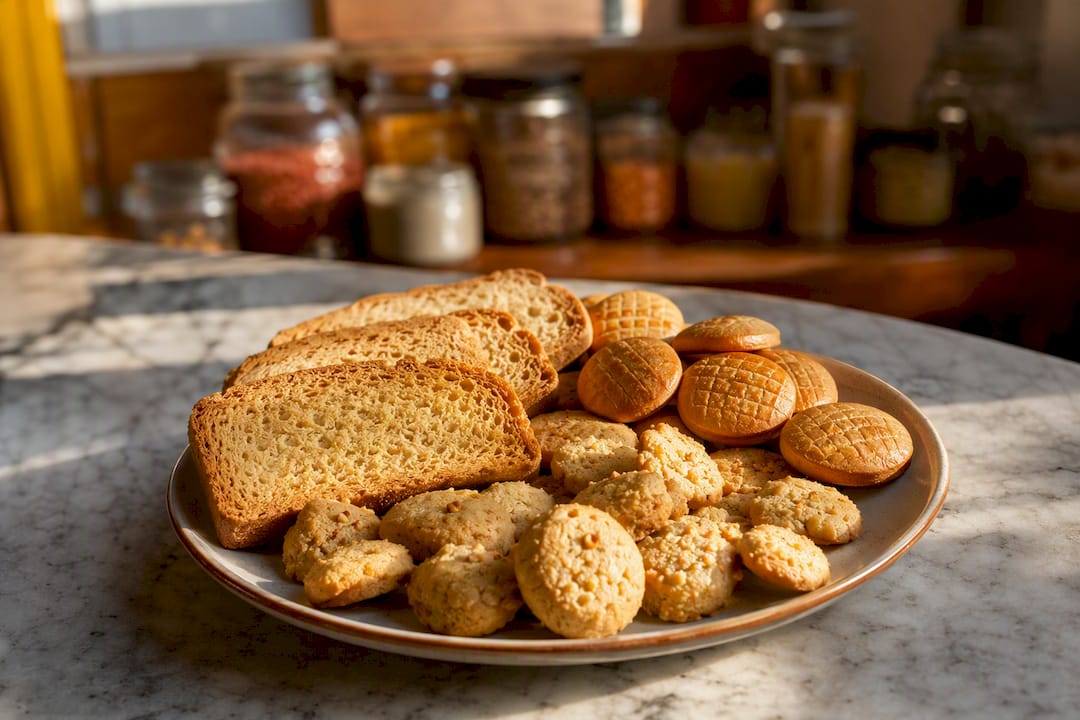
Rusk is twice-baked, which drives out most of its internal moisture during production. That low starting moisture is exactly why rusk holds up so well over time. Kept airtight in a cool, dry place, rusk can last several months, far longer than most other biscuit types. The packaging matters here too: barrier packaging that blocks moisture and oxygen from getting in is a major reason rusk earns its long shelf life in the first place.
Atta biscuits sit in a middle ground. Made from whole wheat flour, they typically hold their texture for about 2 to 3 weeks at room temperature when sealed properly, but they’re noticeably more sensitive to humidity than rusk. A day or two with a loose lid in a damp kitchen can visibly soften them.
Rich, nutty cookies like kaju or pista varieties carry more oil, which changes the math entirely. Heat speeds up oil rancidity, so these cookies deserve a shadier shelf and a shorter rotation window than dry biscuits. If you’ve ordered a batch of nut-heavy cookies, plan to work through them sooner rather than stockpiling.
Rusk: a considerably longer shelf life if sealed and kept dry
Atta biscuits: typically a few weeks, sealed at room temperature
Rich nut cookies: shorter window, watch for any change in smell or texture
What’s the Best Way to Keep Moisture Out?
Moisture is the actual enemy here, not time. A biscuit that’s a month old but bone dry will crunch better than a biscuit from yesterday that’s been sitting in a humid kitchen. Once you accept that, the whole storage question becomes about air and water control rather than a countdown clock.
Silica gel packets or plain uncooked rice both work by pulling ambient humidity out of the air inside a sealed container, which keeps that humidity away from the biscuits themselves. A folded paper towel does a smaller version of the same job and works fine as a short-term stand-in when you don’t have rice or silica on hand.
Wrap it, don’t drop it. Silica packets and rice sachets should be wrapped in a clean cloth or tissue, or kept in a separate mesh pouch, so they never touch the biscuits directly. Silica gel is not meant for direct food contact, and this small step keeps things safe.
Choose glass or steel with a real gasket. Clamp-lid glass jars and stainless steel dabbas with rubber seals block humidity far better than a generic plastic tub with a snap lid.
Plastic is fine for short-term use. If it’s the only airtight option you have and you’re eating through the pack within a week or two, it’ll do the job.
Test your seal. Turn the sealed jar upside down for a few seconds. If nothing seeps and the lid holds firm, your container’s doing its work.
Pro Tip: In a humid kitchen, swap out your rice sachet or check your silica packet every two to three days. In a drier, air-conditioned kitchen, once a week is plenty. This rhythm matches what most humidity-control guidance recommends for keeping snacks crisp through sticky stretches of weather.
How Do You Revive Biscuits That Have Gone Soft?
A soft biscuit isn’t necessarily a lost cause. In most cases, gentle heat can drive the trapped moisture back out and bring the crunch back.
Try the oven first. Spread biscuits on a tray and bake at around 250°F (120°C) for 5 to 10 minutes. This low, slow heat pulls out excess moisture without scorching the surface. Watch them closely near the end since over-toasting can burn a thin biscuit fast.
An air fryer works as a faster alternative. A short run at a low setting, checked every couple of minutes, gets you similar results with less waiting.
Skip the microwave, or use it carefully. Microwaves heat moisture unevenly, and biscuits often come out chewy or rubbery instead of crisp if you leave them in too long.
There’s one situation where reviving is never the answer: if you see visible mold, notice an off or sour smell, or feel a slimy texture on the surface. That’s not a moisture problem anymore. Toss the batch and start fresh rather than risking it.
What Makes DesiMunchiess Biscuits Different?
Desimunchiess makes rusk, atta biscuits, and cookies in small batches using handcrafted production methods rather than mass-production lines. That matters for freshness in a very practical way: smaller batches move faster from oven to package, so less time passes before the biscuit reaches your door.
Here’s what that looks like across a few of our best-known items:
Atta Biscuits arrive with that just-baked snap intact, made from whole wheat flour without shortcuts.
Kaju Pista Cookies carry real nut content, which is exactly why we talked about watching heat and rotation for oil-rich cookies above.
Priniti Bhujia and our other savory snacks follow the same small-batch approach, built for bold flavor first.
Once your order arrives, the job is yours: cool anything warm, move it into an airtight jar, and follow the storage habits in this guide. That’s what keeps our freshness promise intact long after the box shows up.
An Editorial Take on Biscuit Storage
Most storage advice online treats every biscuit the same, and that’s the real gap. A twice-baked rusk and a nut-heavy cookie don’t age the same way, so giving them identical storage instructions sets people up to either waste a long-lasting rusk out of over-caution or let a rich cookie go rancid because nobody flagged the oil content as the real risk.
The conventional wisdom also overweights the container and underweights the moment right after opening. The container matters, but the first thirty seconds after you tear open a pack, whether you let things cool, whether you seal quickly, decide more of the outcome than which jar you eventually use.
If I had to rank priorities for someone who just unboxed a Desimunchiess order, it’s this: cool completely, seal fast, keep it dry, and match your expectations to the biscuit type. Skip the fridge unless you’re dealing with a genuinely oily cookie in real heat. Everything else, the rice sachets, the container upgrades, is a refinement on top of those basics, not a replacement for them.

See Freshly Made Biscuits and Packaging Details
Desimunchiess makes rusk, atta biscuits, and cookies in small batches, and that’s the whole reason storage habits like these are worth following once your order lands. Every pack is built to arrive fresh; an airtight jar and a cool cupboard just keep that freshness going after you open it.
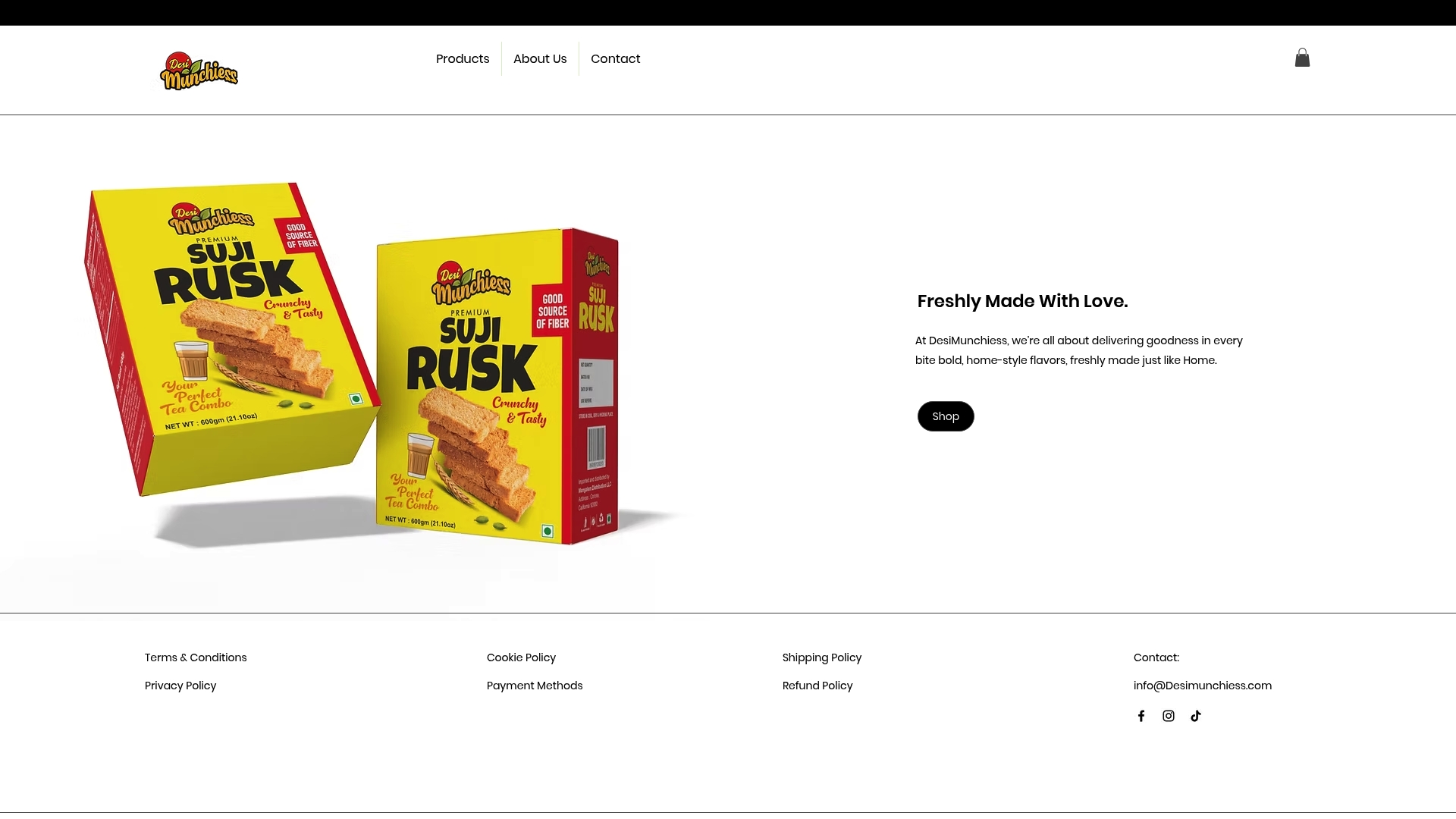
You can browse the full lineup on the Desimunchiess home page, or check the Atta Biscuits product page to see packaging details before you order. If nutty, richer cookies are more your speed, the Kaju Pista Cookies page covers what to expect on arrival. Place an order today and put these storage habits to work on a batch that’s actually worth protecting.
Sources
Recommended
Comments