
Indian Snacks for Toddlers: Safe, Soft and Full of Flavor


Yes, toddlers can enjoy Indian snacks. Pick soft, mild, small-bite options like moong dal cheela, vegetable idli, paneer cubes and sweet potato tikki. Cut or mash anything hard or round, keep salt and sugar low, and stay beside your child while they eat. Crunchy packaged snacks can be part of the picture too, with a little label-reading and a few serving tricks.
We are a snack company, and we are also people who grew up on this food. So we wrote the guide we would hand to a friend with a hungry two-year-old and a busy afternoon.
TL;DR
Start with soft, steamed or lightly pan-cooked snacks: idli, cheela, paneer, upma, sweet potato tikki.
Cut food to pieces no larger than half an inch, and mash or crush anything hard, round or crunchy.
Toddlers do not need added salt or sugar, so read labels on any packaged snack.
Introduce allergens like wheat, nuts and dairy one at a time, in forms that are safe to swallow.
Offer two or three choices and let your toddler pick. It makes snack time calmer.
Table of Contents
What makes an Indian snack toddler-safe
Flavor is rarely the problem. Texture and size are. The CDC says food should be prepared in a shape, size and texture that suits your child’s development, which means cutting it into smaller pieces or mashing it.
The American Academy of Pediatrics gives a concrete number: cut foods into pieces no larger than one-half inch. The same page names whole grapes, raw carrot sticks, popcorn, whole nuts and thick globs of nut butter as foods to modify or avoid.
How your toddler eats matters as much as what they eat. The CDC advises that children sit upright in a high chair or another safe, stable place, without distractions like a car seat, a stroller or walking around. Keep the meal calm and watch them the whole time.
A quick check before you serve any snack:
Is it soft enough to squash between your thumb and finger?
Is it smaller than half an inch, or easy to break into pieces that size?
Is it free of whole nuts, whole seeds and hard round bits?
Is your child sitting down, with you right there?
If you answer no to any of these, change the snack before you change your mind about Indian food.
Soft Indian snacks toddlers tend to love
These are the home-style favorites that already have the right texture, or get there with a small tweak.
Moong dal cheela
Soaked yellow moong dal blended into a batter and cooked as small, silver-dollar-size pancakes. You can fold in finely grated carrot or spinach. Keep the pancakes thin and tear them into small strips. A little plain yogurt on the side makes a gentle dip.
Vegetable idli
Steamed idli is soft and mild by nature. Mixing grated or pureed carrot, spinach or beet into the batter adds color and variety. Serve small ones whole only if they are truly tiny, otherwise cut them into strips or small cubes your toddler can pick up.
Paneer cubes
Paneer is soft and mild. Toss small cubes in a pan with a touch of ghee and cumin until warm. Cut them small. The CDC lists large chunks of cheese as a choking hazard for young children, so the size of the cube is the whole point.

Soft vegetable upma
Suji cooked with finely chopped vegetables until it is moist and spoonable. It works warm in a bowl, or cooled and pressed into little rounds for hands that want to grab.
Sweet potato tikki
Mash cooked sweet potato, shape into small flat patties and pan-cook lightly. Serve with plain yogurt or a very mild mint dip. Break the patty into pieces before it goes on the tray.
Ragi and jaggery laddoo
Ragi is a traditional favorite for small children, and laddoos with ragi, ghee and jaggery are a familiar home snack. Serve a small piece, crumbled, and keep in mind that toddlers do not need added sugar. Jaggery is still a sugar, so treat this as an occasional snack, not a daily habit.
Kid-friendly chaat
Think of chaat as a build-your-own bowl: a soft base, a little chickpea or paneer, finely shredded vegetables and a yogurt dip. Skip the sev and the crunchy toppings for younger toddlers, and mash the chickpeas lightly.
A quick guide: texture and cut
Snack | Safe texture | How to serve |
Moong dal cheela | Thin, soft | Tear into small strips |
Vegetable idli | Steamed, soft | Cut into strips or small cubes |
Paneer | Soft, mild | Small cubes, no larger than half an inch |
Veg upma | Moist, spoonable | Bowl with a spoon, or small rounds |
Sweet potato tikki | Mashed, lightly cooked | Break into small pieces |
Roasted makhana | Hard and crunchy | Crush or grind before serving |
Roasted chana | Hard | Grind or mash, do not serve whole |
Namkeen, bhujia | Crisp, salty | Small crushed amount, label checked |
Crunchy snacks: makhana, chana and namkeen
Crunchy snacks are where Indian food gets fun, and where a little care helps most. Hard, small, round or crisp foods can be tricky for small mouths. The AAP’s list of foods to modify includes popcorn and whole nuts, and roasted makhana and roasted chana fall in the same family of crunchy, hard bites. One toddler-snack guide advises that whole roasted makhana can be a hazard for a two-year-old and suggests crushing it or grinding it to a fine powder before serving.
Here is how we like to use them:
Roasted chana: Grind to a coarse flour and stir into yogurt, or mash into a soft ball with a little mashed banana or sweet potato.
Makhana: Pulse to a powder and stir into warm milk or porridge.
Namkeen and aloo bhujia: These are made for adults and older kids. If you want your toddler to taste the flavor, crush a tiny pinch over a bowl of plain yogurt or rice, and offer it as a topping, not a snack on its own.
What to check on a packaged snack
The CDC tells caregivers to check the Nutrition Facts label for added sugars and to choose foods with less sodium, and notes that some snack foods and store-bought toddler foods are high in sodium. HealthyChildren.org adds that toddlers do not need added sodium or sugar and that caregivers should avoid adding them until age 2, while serving salty crackers and chips less often.
So with any packet, read three things: the sodium per serving, the added sugars line, and the ingredient list for nuts, wheat and dairy. The shorter the list, the easier your job.
Salt, sugar and allergens
Indian cooking leans on salt, spice and sweetness, and a toddler’s portion does not need much of any of them. A UK resource written for South Asian families suggests adapting family recipes for young children and adding salt only after the child’s portion has been taken out. That works well for dal, upma and cheela: cook the base plain, serve your toddler first, then season the rest.
Spices themselves are not the issue. Cumin, coriander, turmeric and a little ginger add flavor with no added salt. Go gentle on chili.
Allergens come up often in Indian snacks: wheat in atta, suji and biscuits, dairy in paneer, yogurt and ghee, and nuts in laddoos and sweets. The CDC recommends introducing potentially allergenic foods such as eggs, wheat and nut butters when other foods are introduced, and trying one single-ingredient food at a time. In practice: try plain suji upma before a snack with six ingredients, so if something happens you know the cause. If your child has had a reaction, or you have a family history of food allergy, talk to your pediatrician before introducing new allergens.

Quick toddler snacks for busy days and tiffin
Busy does not have to mean packaged. These come together fast:
Steamed suji balls. Soft semolina and vegetable bites that keep well for a lunchbox.
Instant moong dal cheela. Mix, pour, flip. Cut into strips once cool.
Paneer strips. Lightly warmed, cut small, good with a yogurt dip.
Mini vegetable idlis. Make a batch, refrigerate, reheat gently.
Instant rava dhokla. It needs no fermenting or grinding, though the whole process, including resting, can take about 45 minutes, so make it ahead on a weekend and cut into small squares.
For the lunchbox, pack a small container of yogurt dip and keep the pieces separated. Offer two or three options. HealthyChildren.org says giving toddlers a choice of two or three healthy options helps them feel in control, which supports healthy eating habits.
If you are planning a party or a playdate, our guide to kid-friendly Indian party snacks has make-ahead ideas, and our list of maida-free snacks for kids is handy for the pantry.
Rusk and biscuits: soft landing, if you serve them right
Suji rusk and atta biscuits are chai-time classics in many Indian homes, and plenty of families give small pieces to little ones. The trick is texture. Hard, dry biscuit pieces can break off in a bite, so dip a small piece in warm milk or water until it softens, or crumble it into porridge or yogurt. Stay with your toddler while they eat, and check the label for sugar and ingredients you want to avoid.
If you are looking for something to stock at home, take a look at our atta biscuits. For more ideas on what to buy, our guide to the best kid-friendly traditional snacks online goes through the options.
We started DesiMunchiess because we missed the taste of snacks made the way they are at home: freshly made, bold, and made with care. Parents tell us the same thing. They want their children to grow up with these flavors, but the shelf is full of mass-produced options. Our approach is handcrafted, small-batch production, traditional recipes and quality ingredients. We think that is what a parent should be looking for: simple food that tastes like food. For toddlers, we see our snacks as part of the family table. Use our atta biscuits softened in warm milk, crumble them into yogurt, and save the bolder pieces for the bigger kids and grown-ups. Our tip is the same one our own families use: cook simple, season lightly, serve small, and sit down together. Home-style flavor does not need to be loud to be loved. Shivam
Our perspective
Shop home-style snacks for the whole family
We make and sell freshly made, home-style Indian snacks, sweets, pickles, biscuits and roasted chana, delivered to your door in the U.S. Our range includes atta biscuits, which many families enjoy with a cup of milk or chai.
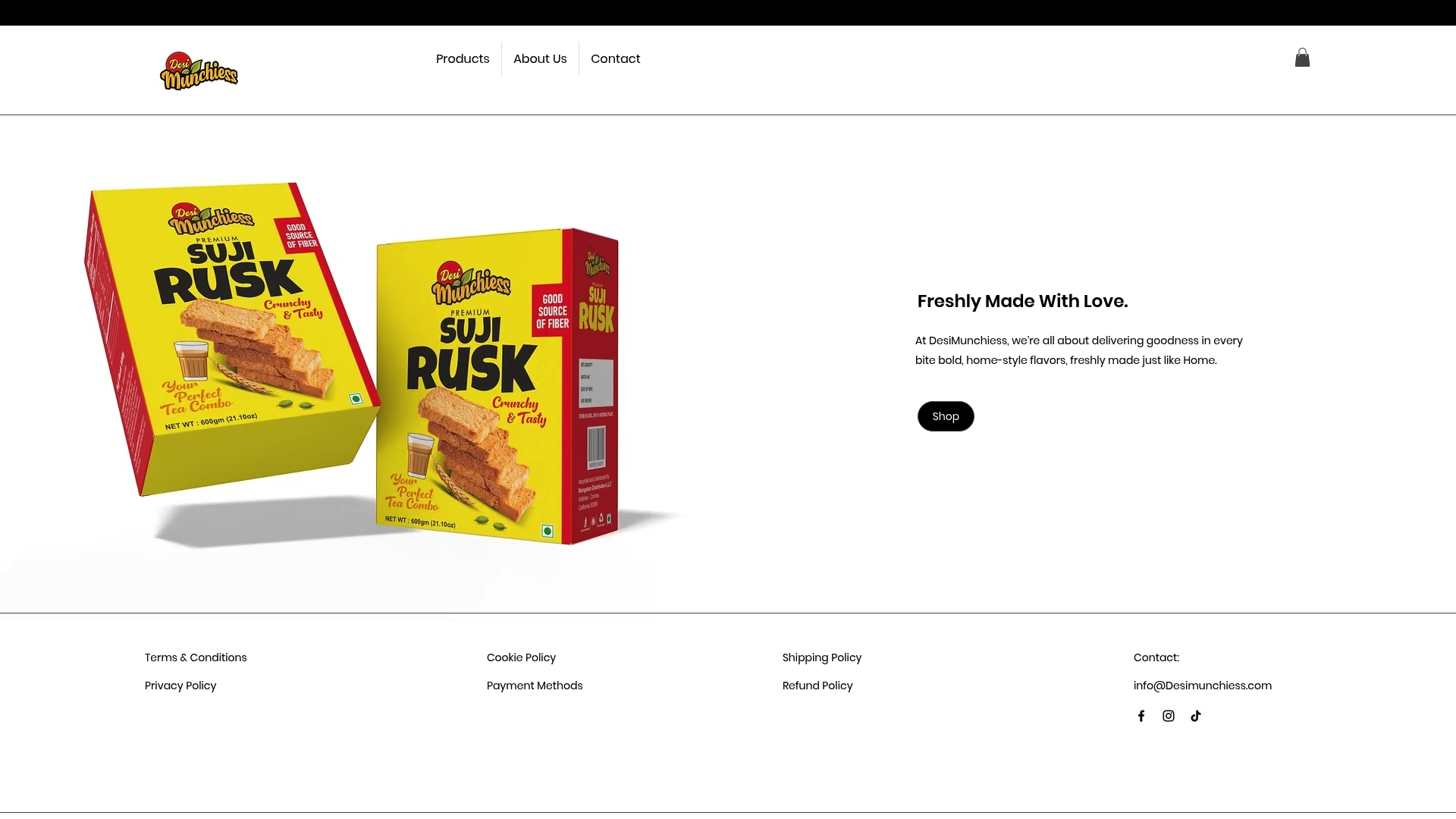
Browse the full range in our snack and sweets shop, and read the label on any product before you serve it to a toddler. If you also want ideas for the grown-ups at the table, our guide to clean-ingredient Indian snacks you can make tonight is a good start.
FAQ
At what age can toddlers start eating Indian snacks?
Once your child is eating solid foods, you can adapt family-style Indian dishes for them. The CDC advises introducing common allergens like wheat and nut butters alongside other foods, one single-ingredient food at a time. Ask your pediatrician about timing for your child.
Can a toddler eat aloo bhujia or other namkeen?
Namkeen is crisp and often salty, so it is better as a tiny, crushed topping than as a handful. The CDC says to check labels for added sugars and sodium. Keep portions small, and serve it only while your child sits upright and you watch them.
Is makhana safe for toddlers?
Whole roasted makhana is hard and crunchy, so it is best prepared first. One toddler-snack guide suggests grinding it into a fine powder or crushing it for a two-year-old. Stir the powder into porridge, milk or yogurt.
How small should I cut snacks for a toddler?
The AAP advises pieces no larger than one-half inch and says to supervise toddlers while they are seated. Mash or crush anything hard, round or sticky, and avoid whole nuts altogether.
Should I add salt and sugar to my toddler’s snacks?
Toddlers do not need them. HealthyChildren.org says to avoid added sodium and sugar until age 2. Season with cumin, coriander or turmeric, and take your toddler’s portion out before you add salt to the family dish.
Sources
Recommended
Comments