
Milk Sweets vs Dry Sweets: How Indian Mithai Differs


Milk sweets are made from milk solids (khoya, or chhanna) and are soft, creamy and short-lived. Dry sweets are built on flour, nuts, legumes and sugar, so they are firmer, crumbly and keep longer. Neither is better. They suit different moments, different kitchens and different shipping times. Here is how to tell them apart, how to store each, and how to pick for a party, a gift or a quiet evening with chai.
TL;DR
Milk sweets (peda, barfi, rasmalai, gulab jamun) lean on reduced milk or curdled milk. They are soft, rich and perishable.
Dry sweets (besan laddu, kaju katli, many cookies and biscuits) lean on flour, nuts and sugar. They are firmer and travel better.
Milk-based sweets have a short window. FSSAI, India’s food regulator, puts sweets with milk products at roughly 1 to 4 days.
In a U.S. kitchen, the 2-hour room-temperature rule matters most for the milk kind.
Not sure what to buy? Mix both: one creamy sweet, one crumbly one, and a hot drink.
Table of Contents
What counts as a milk sweet?
A milk sweet is mithai where milk is the main body of the sweet, not a side ingredient. It usually starts one of two ways. Dairy confectionery can be made from chhanna, which is milk coagulated with heat and acid, or from khoa, made by heating milk.
Khoa is also called khoya or mawa. It is what is left after full-fat milk simmers until all the liquid has evaporated. Cooks then work it into dough, fudge or syrupy dumplings.
So a milk sweet is really two families:
Khoya-based: peda, burfi, gulab jamun. Dense, fudgy, sometimes a little grainy.
Chhanna-based: rasgulla, rasmalai. Spongy, light, often served in syrup or sweetened milk.
Among the best-known milk sweets, Saveur lists gulab jamun, rasmalai, rasgulla, burfi and peda.
What counts as a dry sweet?
Dry sweets get their structure from something other than milk solids. Think flour, ground nuts, lentils or legumes, sugar and ghee. Chickpea-flour laddus and kaju katli are the classic examples.
As a general picture, Indian sweets combine flour, sugar, nuts, legumes and milk or khoya, and most are dry or semi-hard. That is worth remembering. “Dry” does not mean “no dairy at all.” Plenty of dry sweets use a little milk, khoya or ghee. What makes them dry is low moisture and a firm bite.
If you like the idea of dry sweets in the cookie and biscuit family, our guide to Indian biscuit types and what to look for covers that side of the shelf.
Milk sweets vs dry sweets at a glance
Milk sweets | Dry sweets | |
Main base | Khoya or chhanna (milk solids) | Flour, nuts, legumes, sugar, ghee |
Texture | Soft, creamy, fudgy or spongy | Crumbly, firm, melt-in-mouth or crisp |
Flavor | Milky, caramelized, rich | Nutty, toasty, sweet |
Typical examples | Peda, burfi, gulab jamun, rasmalai, rasgulla | Besan laddu, kaju katli, cookies, biscuits |
Shelf life | Short, often days | Longer, check the pack |
Storage | Refrigerate, serve cool or just warm | Airtight container, cool dry place |
Best for | Festivals served same day, dessert tables | Gifting, travel, tea-time, desk snacks |
The lines blur at the edges. Burfi is a good example. Kaju burfi sits close to a dry sweet, while a khoya burfi leans milky. When in doubt, read the ingredient list: if milk solids come first, treat it as a milk sweet.
How the two are made
Milk sweets: patience at the stove
Making khoya means stirring milk for a long time as it reduces. It is slow work. The reward is a dense, creamy base with a caramel edge. That toasty, nutty note is commonly explained by the Maillard reaction, where milk proteins and sugars react under heat. Cooks control it by how long and how hot they cook.

Moisture changes the result. Mawa can be dry and crumbly or wet and granular, depending on how much moisture the milk solids keep. A drier khoya suits peda and burfi. A moister one suits gulab jamun dough.
There is also the milk itself. Buffalo milk mawa is often considered better than cow’s milk mawa because it is fattier and slightly sweet, though cow’s milk is more common because it is easier and cheaper to find.
Dry sweets: roasting and binding
Dry sweets are about technique with heat and fat. Flour is roasted in ghee until it smells nutty. Nuts are ground and cooked with sugar syrup to the right stage. Then the mixture is shaped into laddus, cut into diamonds or rolled thin.
The flavor comes from roasting, not from reducing milk. Our overview of traditional Indian snack making techniques goes through the methods in more detail.
The shared aromatics
Both families borrow from the same spice box. Cardamom, rose water and saffron appear across milk-based and dry sweets alike. A cardamom note on a peda and on a laddu is the same family of flavor, which is why mixed boxes feel coherent.
Want a close comparison within the dry side? See how Mysore pak and besan barfi differ.
Texture and flavor: what to expect in the mouth
Milk sweets feel rich and slightly dense. Peda melts and leaves a milky, caramel aftertaste. Rasmalai is cool, soft and fragrant. Gulab jamun is warm, soaked and sticky. These are sweets you eat slowly, usually one or two at a time.
Dry sweets give you crumble, snap or a sandy melt. Besan laddu is toasty and a little coarse. Kaju katli is smooth and clean, with a pure cashew taste. Biscuits and cookies add crunch and are easy to dunk.

A simple rule: if you want comfort and richness, go milk. If you want something to snack on over several days, go dry.
Shelf life and storage: the real difference
This is where the two types part ways most.
Milk adds moisture and protein, which bacteria also like. FSSAI’s guidance note says sweets, especially those made with milk products, have shorter shelf lives of 1 to 4 days, are more prone to microbial growth and should be eaten within that period. That is the figure to keep in mind for fresh, traditional milk sweets. Sealed, commercially packed products may state their own dates, so follow the label.
For U.S. kitchens, there is also the counter question. Virginia Cooperative Extension advises that refrigerated or frozen food should not sit at room temperature for more than 2 hours, or 1 hour above 90°F. That matters at a summer backyard party or a Diwali table that stays out all evening.
Practical habits:
Milk sweets: keep them chilled until serving. Put out a small plate, not the whole box, and refill from the fridge.
Dry sweets: keep them in an airtight tin or jar, away from heat and damp. Open packs lose crunch fast in humid weather.
Gifts: if a gift travels more than a few hours, dry sweets are the safer choice.
Leftovers: eat milk sweets within the label’s window. If you are unsure how long something has sat out, do not take the chance.
We go deeper in our guide to Indian sweets shelf life for U.S. kitchens.
Which should you choose?
Pick by the occasion, not by the label.
Festival or dinner party: serve both. A milk sweet gives the “wow,” a dry sweet fills the gaps when people want something small.
Gifting by mail: go dry. Firm sweets handle transit better, and the recipient is not racing a clock.
Office desk or lunchbox: go dry. A laddu or a few biscuits beat a soft sweet that needs a fridge.
After-dinner treat at home: go milk. Eat it soon after you open it.
Kids’ snack: dry sweets and biscuits are easy to portion and less messy.
Watching sugar: both are sweet. For lower-sugar ideas, see our guide to sugar-free Indian sweets and 15g carb portions.
No dairy: most milk sweets are out. Look at our list of vegan Indian sweets that ship fresh.
If you are new to mithai and want a starting point, our list of 12 classic Indian sweets that ship fresh shows what to look for when you buy in the U.S.
Pairing sweets with a drink
Milk sweets are rich, so they like something plain: unsweetened tea, black coffee or plain water. Dry sweets are happy with milky chai, which softens them as you dip.
If cocoa is your cold-weather drink, the same thinking applies. The debate over hot chocolate made with milk or water is a useful reminder that milk adds richness while water lets the flavor stand out. Pair a milky drink with a dry sweet, and a lighter drink with a creamy sweet, so nothing feels heavy.
How they fit as a snack
Mithai is a treat, and we treat it like one. Still, ingredients matter. A study of snacks across the United States, Canada, France and the United Kingdom found that products with dairy or fruit as the first ingredient were linked to higher nutrient-rich food scores and more protein, calcium, and vitamins A and D. That does not turn a sweet into a health food. It does show that what a snack is built from counts.
By comparison, a U.S. study of adult snacking notes that cookies and chips tend to be low in micronutrients and fiber and high in sugars or added fat. A small piece of a traditional sweet, made from recognizable ingredients such as milk, nuts, flour and ghee, is an easy way to enjoy something sweet in a modest portion.
Two practical tips:
Portion first. Put one or two pieces on a plate, then put the box away.
Read the ingredient list. Short and familiar is a good sign.
Our perspective
We grew up with both kinds on the table. The milk sweet was the special one, the one that disappeared first. The dry sweet was the dependable one, in the tin, ready when guests dropped by. That is how we think about them. Milk sweets are for the moment. Dry sweets are for the week. Neither one is the “real” mithai. A good tin of homemade-style sweets holds both. What we care about is how a sweet is made. We like handcrafted, small-batch methods, traditional recipes and good ingredients, because that is what gives you the bold, home-style flavor you remember. Freshly made food tastes different, and you can tell. For U.S. customers, we also think about the journey. Dry sweets, biscuits and snacks fit the way people really order online: they arrive in good shape and stay enjoyable after you open the pack. Pair them with a cup of chai, and you have something close to home. Shivam
Bring the taste of home to your table
If you want to try the dry side of the mithai shelf, we have snacks, sweets, biscuits and more, made in the home-style spirit we have described here. Browse the full range in our online store of Indian snacks, sweets and pickles, and pick what suits your occasion.
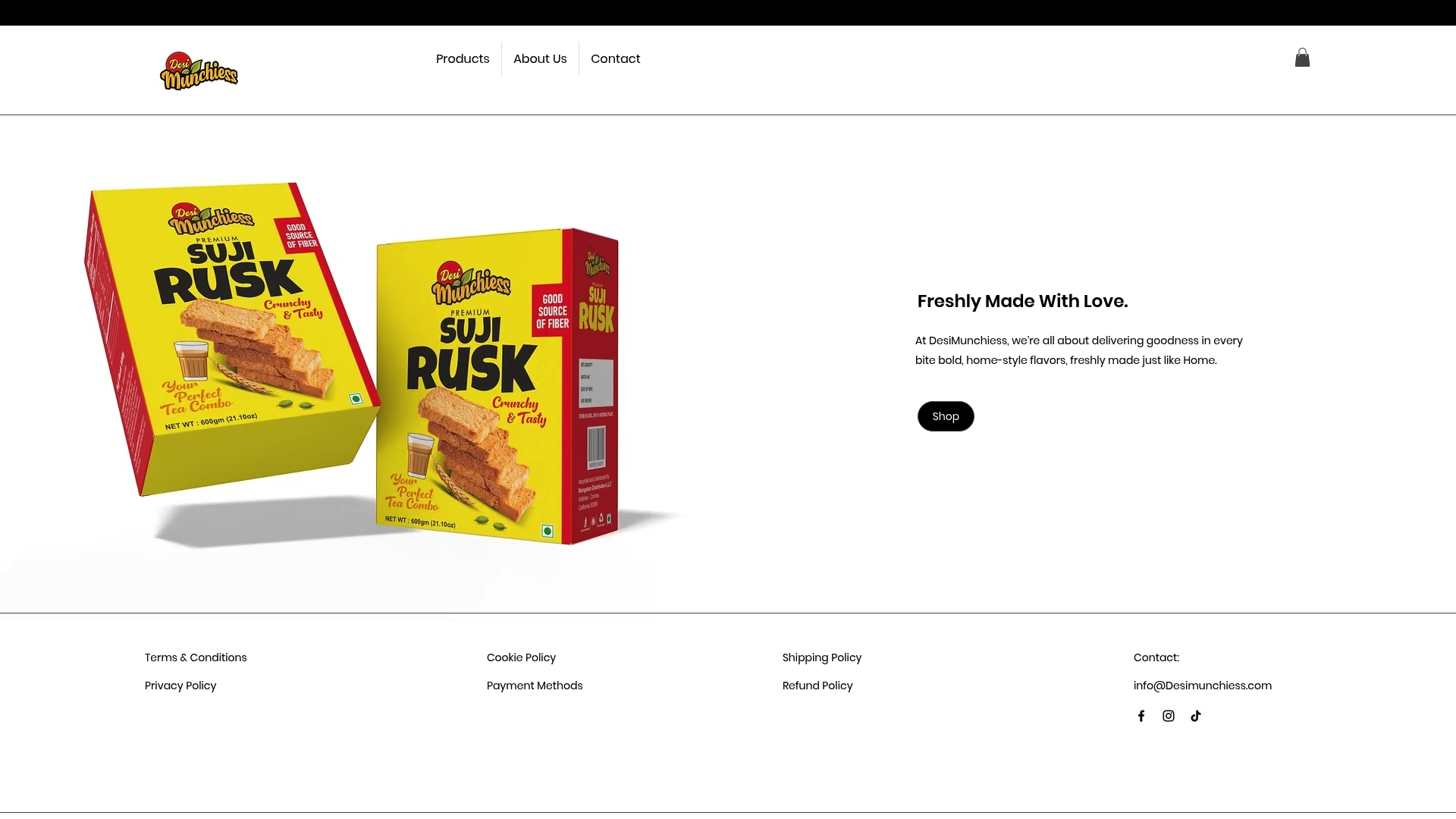
Start with a couple of favorites, add a jar of pickle or a bag of roasted chana for the savory side, and share. We are happy to help you choose.
FAQ
What is the main difference between milk sweets and dry sweets?
Milk sweets are built on milk solids such as khoya or chhanna, so they are soft, rich and perishable. Dry sweets are built on flour, nuts, legumes and sugar, so they are firmer and keep longer. Some sweets, like burfi, sit between the two.
Is gulab jamun a milk sweet or a dry sweet?
It is usually counted as a milk sweet because the dough traditionally uses khoya, the milk solids left after reducing milk. It is then soaked in sugar syrup, which makes it soft and moist. It is not a dry sweet in the sense of a crumbly laddu or a biscuit.
Which lasts longer, milk sweets or dry sweets?
Dry sweets generally last longer. India’s food regulator FSSAI says sweets with milk products have shorter shelf lives of about 1 to 4 days. Always follow the date and storage instructions on the pack.
Which is better for gifting?
Dry sweets are the easier gift, since they handle travel and do not need a fridge right away. If you do give milk sweets, hand them over the same day and tell the person to chill them. A mixed box covers both tastes.
Can I leave milk sweets out at a party?
Not for long. Virginia Cooperative Extension advises no more than 2 hours at room temperature, or 1 hour above 90°F, for foods that need refrigeration. Serve a few pieces at a time and keep the rest cold.
Sources
Recommended
Comments