
20 South Indian Snacks Every Home Cook Should Know


Here are the essential South Indian snacks to know, named, described, and grouped so you can find or make them at home. This list covers tea-time staples and festival favorites, with the main ingredient and a quick cooking cue for each one. You’ll see fried fritters, crunchy namkeen, soft steamed bites, and a few sweet mixtures too.
TL;DR:
Most fried snacks like Mysore bonda and medu vada should be eaten fresh the day they are made to maintain their crispness.
Shelf-stable items such as murukku, boondi, and Madras mixture are best stored in airtight containers and enjoyed over several weeks.
For healthier options, steamed dishes like idli, pesarattu, and sundal use less oil and are easier to digest compared to fried snacks.
Proper frying temperature and batter fermentation are essential to achieve the right texture and golden color in regional snacks like vada and paniyaram.
Snack pairings like coconut chutney and filter coffee significantly enhance the flavors, especially aligning with regional preferences and traditional serving customs.
Table of Contents
1. The full list of South Indian snacks by type
South Indian snacking lives in a few clear families: fried fritters and patties, crunchy namkeen, steamed or soft bites, and sweet mixtures. Grouping them this way makes it easier to pick a recipe based on the equipment and time you have.
Fried fritters and patties
Medu vada (Uzhunnu vada): a doughnut-shaped fritter made from ground urad dal batter, deep-fried until the outside turns golden and crisp.
Mysore bonda: soft, pillowy fritters made from a seasoned urad dal and rice flour batter, dropped by the spoonful into hot oil.
Maddur vada: a flat, crisp patty from Karnataka made with rice flour, semolina, and chopped onions, known for its crunch rather than a soft center, according to Saveur.
Banana bajji (Pazhampori): ripe banana slices dipped in a sweetened flour batter and fried until the coating turns crisp and golden.
Pakoda (bhaji): a catch-all name for vegetable fritters, usually onion, potato, or spinach, coated in a besan batter and fried.
Tea-kadai onion samosa (vengaya samosa): a small, thin-pastry street-style samosa filled with spiced onion, made to stay crisp for hours, a trait specific to tea-shop preparation according to Chitra’s Food Book.
Crunchy namkeen
Murukku: a spiral-shaped, deep-fried snack made from rice flour and urad dal flour, extruded through a press before frying.
Punugulu: small, irregularly shaped fritters from Andhra and Telangana made from leftover idli or dosa batter mixed with onions and spices.
Boondi: tiny fried droplets of chickpea flour batter, often tossed into mixtures or eaten on their own.
Sev: thin, crunchy noodle-like strands of fried chickpea flour, a common base ingredient in South Indian mixtures.
Madras mixture: a combined namkeen of sev, boondi, peanuts, and fried lentils, built for shelf stability rather than a single frying step.
Steamed or batter-based soft bites
Paniyaram (kuzhi paniyaram): a fermented rice and urad dal batter cooked in a special dimpled pan, giving a crisp exterior and soft inside.
Pesarattu: a savory crepe made from whole green gram batter, cooked on a flat griddle rather than fried.
Idli: steamed rice and urad dal cakes, more of a breakfast staple but common at tea-time in smaller sizes.
Achappam: a rosette-shaped, deep-fried Kerala snack made from rice flour and egg, crisp throughout rather than soft.
Sundal and savory mixtures
Sundal: boiled and seasoned legumes, usually chickpeas or black-eyed peas, tossed with mustard seeds, curry leaves, and grated coconut, a no-fry snack and a common Navaratri offering.
That’s the backbone list. A compiled set of names and short definitions for many of these, along with less common regional variants, is also catalogued on Wikipedia.
2. How snacks vary by state and region
The same snack often wears a different name depending on which state you’re in, and small ingredient swaps explain a lot of the texture differences you’ll notice between versions.
Tamil Nadu: murukku is the signature twisted snack here, often made with rice flour and a touch of roasted gram flour for crunch.
Karnataka: the same twisted shape is called chakkuli, and Maddur vada, with its rice flour and semolina base, is a Karnataka original according to Saveur.
Andhra Pradesh and Telangana: punugulu and murukulu (another murukku variant) are common tea-time snacks, often leaning on sesame seeds for extra flavor.
Kerala: banana bajji and achappam show up more here, reflecting the region’s use of coconut oil and banana varieties of frying.
Festival and street contexts: murukku and boondi are made in bulk for Diwali and Pongal because they keep well for days, a quality that made them practical travel food historically, per Saveur. Sundal is tied closely to Navaratri, served fresh rather than stored.
If you want a fuller contrast between northern and southern snacking styles, our guide on North versus South Indian snacks breaks down the spice and texture differences in more detail.
3. What to serve alongside these snacks
Pairing matters as much as the frying. A good chutney or the right drink turns a simple fritter into a full tea-time spread.
Coconut chutney suits steamed and batter-based snacks like paniyaram and pesarattu, since its mild creaminess balances their soft texture.
Peanut chutney works well with crunchier items like murukku or Maddur vada, adding a nutty contrast to the crisp bite.
Tomato chutney pairs naturally with fritters such as Mysore bonda and pakoda, where its tang cuts through the oil.
Sambar is the classic match for medu vada, turning it into a heartier, more filling plate.
Filter coffee goes especially well with Mysore bonda, punugulu, and murukku, a pairing highlighted by the Times of India.
Chai suits drier, crunchier snacks like sev and Madras mixture, which hold up well next to a hot, milky cup.
Freshly made chutneys, whether coconut, peanut, or tomato, are a simple way to change a snack’s whole flavor direction, as noted by The Fearless Cooking. Fried snacks like vada and bonda are best eaten the day they’re made, while shelf-stable items like murukku, boondi, and Madras mixture keep well in an airtight container for weeks.
4. Traditional techniques and home-cook tips from Shivam
Fermentation and oil temperature make or break a lot of these recipes. For paniyaram and medu vada batters, a good ferment at room temperature usually takes several hours, long enough for the batter to turn slightly airy and tangy before you cook it. Oil that’s too cool leaves fritters greasy and pale, while oil that’s hot enough to make a small drop of batter rise immediately gives you that golden, crisp shell without an oily center.

For U.S. kitchens, rice flour, urad dal, and curry leaves are usually easiest to find at an Indian grocery store or in the international aisle of a larger supermarket, and frozen curry leaves work fine when fresh ones aren’t around. Our breakdown of traditional Indian snack-making techniques covers the extruding and fermenting steps in more depth.
Pro Tip: Test your frying oil with a tiny piece of batter first: if it floats and bubbles steadily, the oil is ready.
5. Nutritional information and health considerations
Most South Indian snacks fall into one of two camps: deep-fried and occasional, or steamed and more everyday-friendly. Fritters like Mysore bonda, medu vada, and banana bajji absorb oil during frying, which makes them richer and better suited to smaller portions or special occasions rather than daily eating. Steamed or griddle-cooked options like pesarattu, idli, and paniyaram carry less oil and rely on fermented batters, which some home cooks find easier to digest.
Sundal stands apart as a legume-based, unfried snack, making it a lighter choice when you want something filling without the oil. Namkeen mixtures like Madras mixture and boondi are shelf-stable but tend to be high in sodium and fried components, so they’re better treated as an occasional nibble than a regular snack. If you’re watching sodium or oil intake, leaning toward sundal, pesarattu, or idli over the deep-fried items is the simpler swap, while still keeping the flavors familiar.
6. Where to find authentic South Indian snacks
If cooking from scratch isn’t always realistic, authentic South Indian snacks are easier to find than you might expect. Indian grocery stores, especially those stocking South Indian brands, often carry packaged murukku, boondi, and Madras mixture alongside the dals and flours you’d need to make your own. Larger cities with South Indian communities usually have at least one restaurant or tea shop serving fresh vada, bonda, or pesarattu, which is worth seeking out if you want to taste the real texture before attempting it at home.

Online specialty retailers and direct-to-consumer snack brands are another route, particularly for shelf-stable items like murukku and roasted namkeen mixes that travel well. Farmers markets in areas with a strong South Asian population sometimes feature home cooks selling small batches of festival snacks like sundal or achappam around Diwali and Pongal, which is often where you’ll find the most traditional versions.
7. Why these snacks still matter today
Murukku and boondi were once travel food, made to survive days on the road. That same shelf stability is why they still dominate festival tables and snack boxes today.
The pull between a homemade batch and a shop-bought packet hasn’t gone away. It’s just become a matter of time, not taste.
— Shivam
Grab small-batch South Indian flavors without the frying
Not every day leaves room for fermenting batter or watching a pan of hot oil. Some snack brands make snacks, biscuits, and pickles in small batches, using recipes built around home-style flavors like those this list celebrates, so you can get a freshly made taste without starting from scratch.
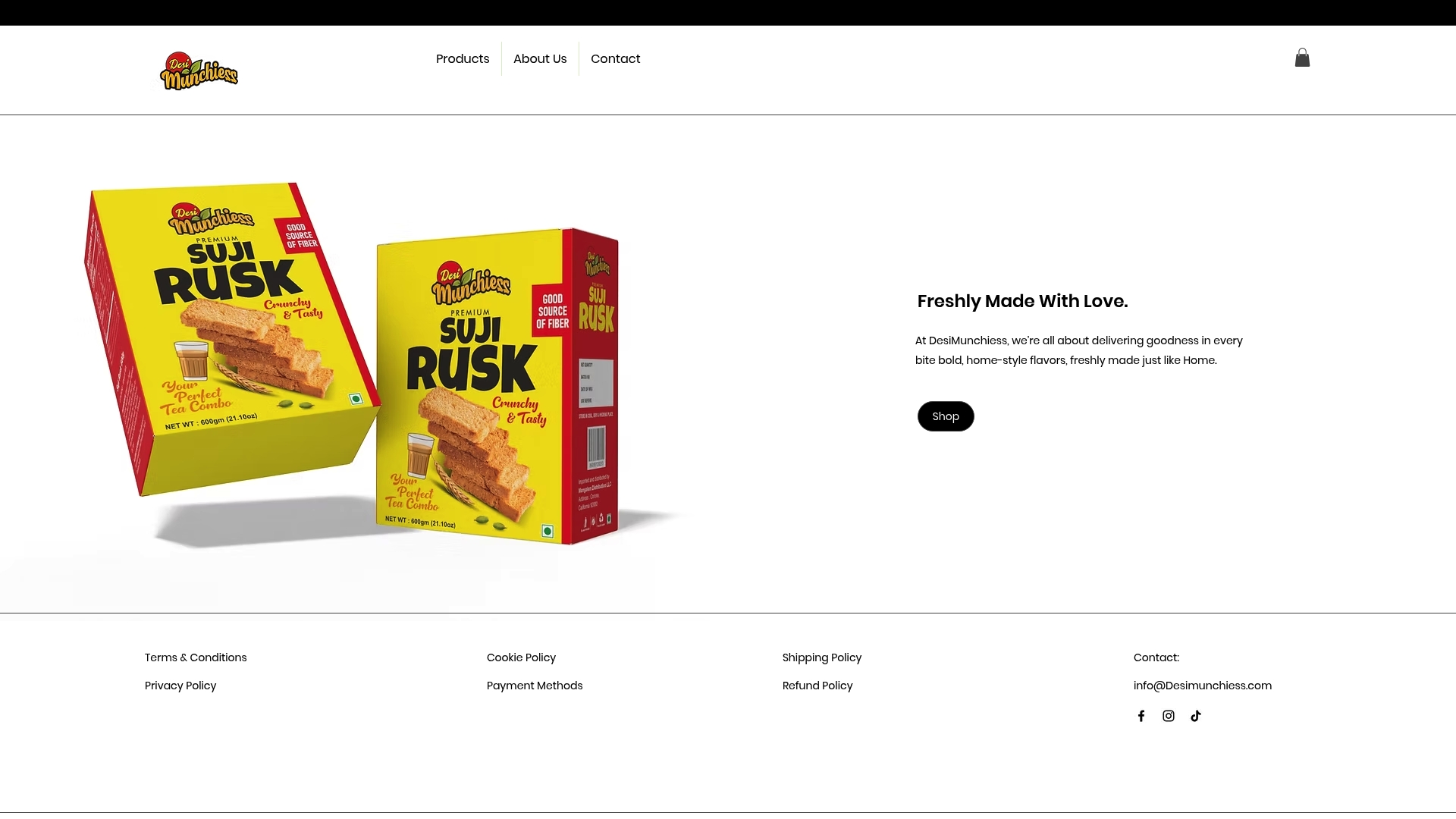
Our range of snacks and pickles includes biscuits, candies, roasted chana, and pickles made to taste like something from a home kitchen, not a factory line. If filter coffee or chai is part of your snack routine, pairing options from The Moustache Coffee Club or loose leaf options from Tealyra round out the tea-time spread nicely. Browse our category page and see what fits your next snack break.
FAQ
What are the 10 best Indian snacks?
There’s no single official ranking, but commonly cited favorites include murukku, medu vada, Mysore bonda, samosa, pakoda, sundal, paniyaram, punugulu, banana bajji, and boondi. Lists vary by region and source, with South Indian versions often leaning on rice flour, urad dal, and coconut.
What are the 10 most popular snacks?
Popularity depends heavily on region, but across South India, murukku, medu vada, Mysore bonda, pakoda, sundal, paniyaram, boondi, Madras mixture, banana bajji, and punugulu are frequently named as staples. These show up often at tea-time and during festivals like Diwali and Pongal, according to Saveur.
What are 20 types of snacks?
A broad South Indian snack list includes murukku, medu vada, Mysore bonda, Maddur vada, paniyaram, punugulu, banana bajji, pakoda, boondi, sev, Madras mixture, pesarattu, idli, achappam, sundal, tea-kadai onion samosa, chakkuli, murukulu, bonda, and vada varieties. Many of these are name variants of the same base recipe across different states.
What are typical Indian snacks?
Typical Indian snacks span fried fritters, steamed cakes, and crunchy namkeen mixtures, with South Indian versions often built on rice flour, urad dal, and legumes. Common examples are vada, bonda, murukku, pakoda, and sundal, usually served with chutney or at tea-time.
Does DesiMunchiess sell ready-made South Indian style snacks?
DesiMunchiess focuses on handcrafted, small-batch snacks, biscuits, and pickles made with traditional recipes and high-quality ingredients. Our product range is built for people who want that home-style taste without cooking from scratch.
Sources
Recommended
Comments