
Hit 25 to 35g Daily With High Fiber Indian Snacks and Kitchen Swaps


Roasted chana, makhana, sprouts, besan dhokla, millet khakhra, ragi cookies and air-fried chickpea matri top the list of high fiber Indian snacks worth keeping on hand. Each one packs legume or whole-grain fiber plus protein into a small, satisfying portion. A half cup here and a handful there add up fast toward the 25 to 35 grams of fiber most adults need daily, a number most of us fall well short of.
TL;DR:
Most adults aim for 25 to 35 grams of fiber daily, but typical intake falls short, making high-fiber snacks a practical solution.
Roasted chickpeas, fox nuts, sprouts, and whole-grain snacks like millet khakhra and ragi cookies provide significant fiber and protein.
Switching frying for baking, roasting, or steaming and replacing half of refined flour with whole grains boost fiber without sacrificing flavor.
Batch pre-portioning and storing snacks, along with gradual fiber increase and increased water intake, help maintain digestion comfort.
Ready-made high-fiber options like roasted chana and whole-grain biscuits can substitute homemade snacks without compromising fiber intake.
Table of Contents
1. Eight high-fiber Indian snacks worth keeping in your kitchen
These snacks are not new inventions. They are the ones our grandmothers already trusted, and the fiber numbers back them up.
Roasted chana is the easiest place to start. Chickpeas carry both soluble and insoluble fiber, plus a solid dose of plant protein, and a half cup of the roasted version swaps in neatly for a bag of chips. Roast your own in a dry pan with cumin and chili powder, or pick up a ready-made batch when you want zero prep.
Makhana, or fox nuts, give you a low-calorie crunch that feels indulgent without the oil load. Toast them in a dry skillet with a little ghee and black salt for a snack that disappears fast but will not weigh you down.
Sprouts chaat and sprout tikki put sprouted moong or mixed beans to work. Sprouting makes legumes easier to digest and brightens their flavor, and a quick toss with onion, tomato, lemon, and chaat masala turns them into a five-minute snack. Shape the mixture into tikki, pan-cook a batch on the weekend, and freeze extras for busy weeknights.

Besan-based steamed snacks like dhokla and khaman lean on gram flour, which brings both fiber and protein to the table. Steam rather than fry, finish with a mustard-seed tempering, and top with cilantro and a squeeze of lime.
Millet khakhra and ragi cookies bring whole-grain fiber into snack form. Bajra, jowar, and ragi flours all outperform refined wheat on fiber content, and they work in both the crisp, cracker-like khakhra and sweeter baked cookies.
Air-fried chickpea matri and oat-chickpea matri rework a classic fried snack with chickpea flour, oats, and a hot air fryer instead of a kadai. The result keeps the crunch and adds fiber that the original refined-flour version never had.
Round out your rotation with:
Sweet potato chaat tossed with chaat masala, lime, and roasted peanuts for a filling, fiber-forward bite.
Vegetable upma made with broken wheat or millet, which works as a light snack-meal when you need more than a handful of something crunchy.
2. How to make traditional Indian snacks healthier without losing the flavor
Small changes in method and flour choice can turn a classic fried snack into a genuine fiber source, and none of them ask you to give up the taste you grew up with.
Swap frying for roasting, air-frying, steaming, or baking. A dry pan roast takes 8 to 10 minutes for chana, an air fryer needs 15 to 20 minutes at 375°F for matri, and a steamer basket handles dhokla batter in about 15 minutes.
Replace part of your refined flour with whole grains. Swap up to half your maida or white flour with besan, ragi, bajra, or jowar flour in any batter-based snack, from khakhra to pakora batter.
Keep flavor sharp while cutting oil. A hot mustard-seed and curry-leaf tempering, a dash of chaat masala, or a squeeze of lime does more for taste than an extra tablespoon of oil ever will.
Batch-prep and store smart. Freeze shaped sprout tikki raw and cook them straight from frozen, and keep roasted chana in an airtight jar away from humidity so it holds its crunch for weeks.
Our guide to roasting snacks at home walks through timing for a full batch, and our breakdown of traditional snack-making methods covers eight techniques beyond frying.
Pro Tip: Pair any fiber-rich snack with a small handful of nuts or seeds. Combining fiber with healthy fat and a bit of protein keeps you full far longer than fiber alone.
3. Three quick recipes to boost your fiber intake today
These three starters cover a roast, a steam-and-pan method, and a bake, so you always have an option no matter what equipment is handy.
Air-fried roasted chana: Toss cooked or canned chickpeas with a teaspoon of oil, cumin, chili powder, and salt. Air-fry at moderate temperature for about 20 to 25 minutes, shaking the basket halfway. Serve in half-cup portions; the chickpeas supply fiber and protein in a single bite.

Sprout tikki, make-ahead style: Mash sprouted moong with boiled potato, green chili, ginger, and chaat masala. Shape into patties, shallow-pan-cook three minutes per side, or freeze raw patties for up to a month and cook directly from frozen.
No-refined-flour ragi khakhra: Mix ragi flour with a little whole wheat, water, carom seeds, and a pinch of salt into a stiff dough. Roll thin, dry-roast or bake at 350°F until crisp, about 12 to 15 minutes, and stir in flaxseed or sesame for an extra fiber boost.
Each recipe scales easily for batch cooking on a Sunday afternoon.
Store roasted or baked snacks in airtight containers to keep the crunch intact for the week ahead.
4. Author tips from Shivam on building fiber into your day
We like to spread fiber-rich snacks across the day rather than loading up all at once: a half cup of roasted chana midmorning, sprouts chaat in the afternoon, and a piece of fruit or khakhra after dinner. In our own small-batch kitchen, we have found that roasting in smaller batches and cooling snacks fully before sealing them keeps the crunch from going soft.

One caution worth repeating: increase fiber gradually and drink more water as you go, since a sudden jump can cause bloating.
5. Shop-ready high-fiber snacks from DesiMunchiess
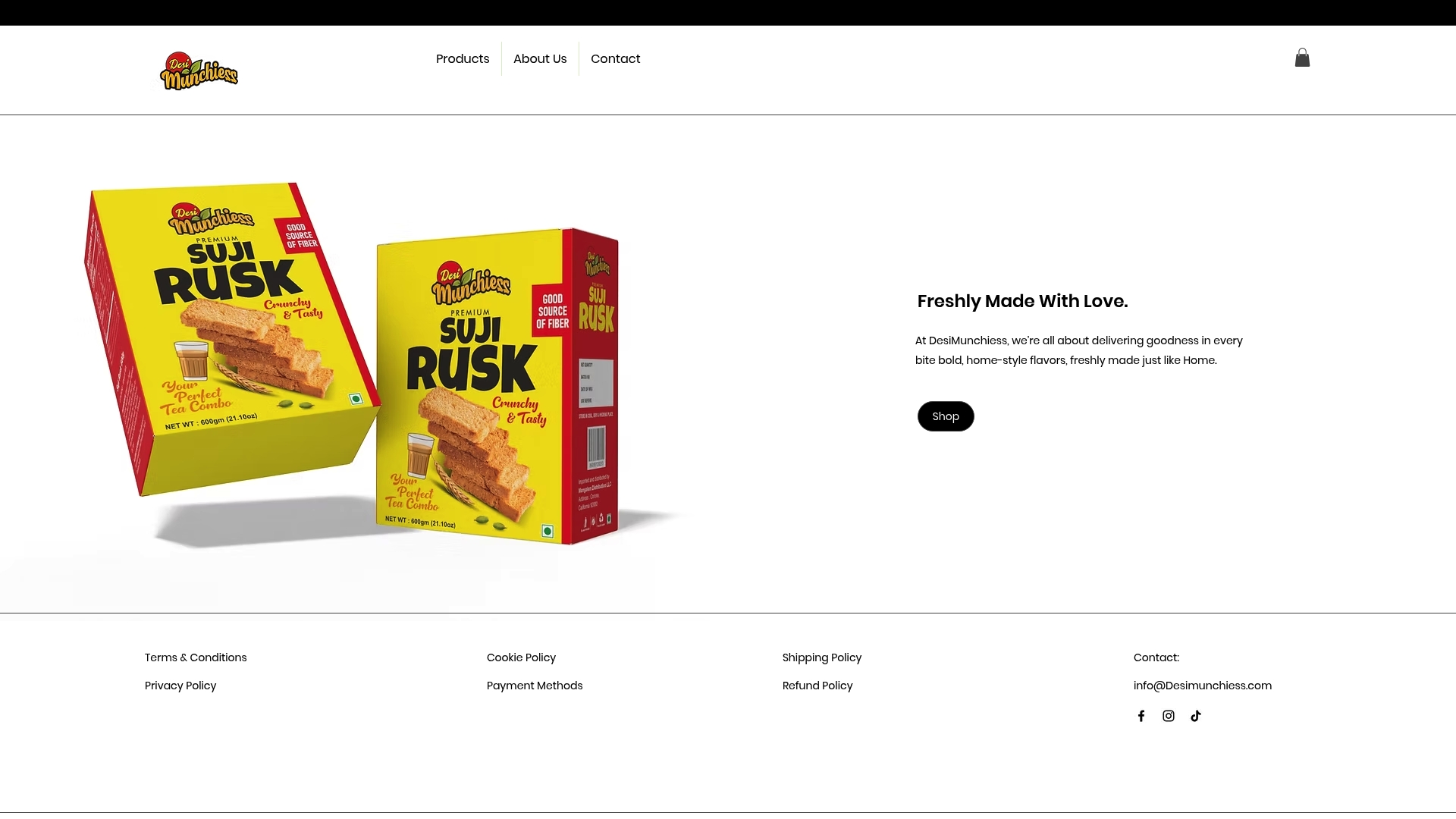
When the kitchen is not an option, our roasted chana and atta biscuits give you the same whole-grain and legume fiber this article recommends, made in small batches with real ingredients. Homemade snacks let you control oil and salt down to the last pinch, but ours save you the prep time on a busy week. Browse our full snack collection to find your next go-to.
6. Why traditional Indian snacks deserve a place in a modern high-fiber diet
We grew up on these snacks long before fiber counts and nutrition labels entered the conversation, and that is part of what makes them worth keeping. Roasted chana, sprouts, and millet khakhra were never trendy. They were just what filled the snack box.
Treat them as part of a varied, plant-forward plate rather than a single fix, and the fiber tends to take care of itself. Good flavor and good nutrition were never actually in competition here.
— Shivam
FAQ
Which Indian foods are high in fiber?
Legumes like chickpeas and mung beans, along with millets such as bajra, jowar, and ragi, rank among the highest-fiber staples in Indian cooking. Vegetables, sprouts, and whole-grain flours like besan add further fiber when used in everyday snacks.
What snack has the highest amount of fiber?
Among common Indian snacks, chickpea-based options like roasted chana or chana chaat tend to deliver the most fiber per serving because chickpeas carry both soluble and insoluble fiber. Millet-based khakhra and ragi cookies follow close behind thanks to their whole-grain content.
How can I reach 25 grams of fiber a day with Indian food?
Spread fiber-rich foods across meals and snacks rather than trying to get it all at once. A bowl of sprouts, a cup of dal, a millet roti, and a half cup of roasted chana as a snack can together move you close to the 25 to 35 gram daily target.
What are the top highest-fiber foods to know about?
Legumes, whole grains, nuts, and seeds consistently rank among the top fiber sources, and foods that pair fiber with protein are especially useful for staying full. Experts point to legumes, nuts, seeds, soy, and whole grains as a reliable combination for both nutrition and satiety.
Can I buy high-fiber Indian snacks instead of making them?
Yes, ready-made options like roasted chana and whole-grain biscuits give you the same fiber sources used in homemade recipes without the prep work. Our roasted chana is one option built around that same whole-food approach.
Sources
Recommended
Comments