
Crisp in 30–45 Minutes: Roast Indian Snacks at Home for Healthy Cooks

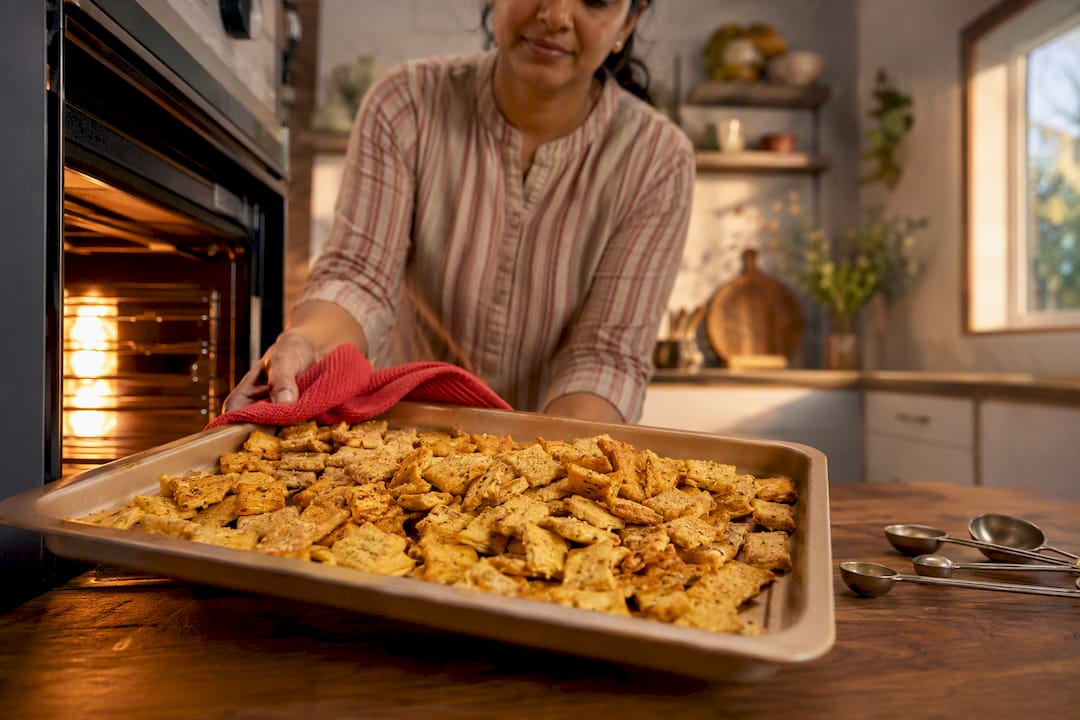
Roasted Indian snacks are ready-to-eat, lower-oil alternatives to fried namkeen. Think roasted chana, makhana, and dal, made crunchy through dry heat instead of a hot oil bath. They pack protein and fiber, stay shelf-stable when cooled and stored right, and they fit the tea-time table just as easily as a desk drawer or a travel bag. Here’s how to pick the right one and keep every batch crunchy.
TL;DR:
Roasted chana and chana dal are high in protein and fiber, making them suitable for health-conscious snacking and long shelf life when stored properly.
Using dry roasting, air frying, or oven roasting instead of frying keeps oil content low, but requires careful timing and spread in a single layer to preserve crunch.
Check labels for short ingredient lists and avoid snacks with hydrogenated oils or added sugars, especially in flavored or “baked” varieties claiming low fat.
Pat ingredients dry and cool completely after roasting to prevent moisture retention, which helps snacks stay crisp for weeks.
Home roasting involves a precise process of drying, spreading, roasting at 400°F, and seasoning while warm to achieve maximum crunch and freshness.
Table of Contents
What Are the Best Roasted Indian Snacks to Try?
Every roasted namkeen has its own personality. Some crunch like popcorn, some chew like a granola bite, and some melt on the tongue the second the tadka hits them. Here’s the lineup worth knowing.
Roasted chana (whole, with skin): Firm, nutty, and packed with fiber. It holds spice well, from a plain salt roast to a fiery chaat masala coating. Great for steady snacking through the workday. Some sources blend down the protein value of this snack in more detail.
Roasted chana dal: Split, hulled, and roasted until it snaps between your teeth. Smaller and softer than whole chana, it works well tossed with curry leaves, hing, and a little chili.
Makhana (fox nut) chivda: Light, airy, almost hollow when you bite in. It takes on flavor fast, which makes it a favorite for peanut-curry-leaf mixes or a simple ghee-and-pepper roast.
Dry-roasted peanuts: Dense and satisfying, with a deeper, earthier flavor than chana. They anchor most namkeen mixes and hold up well on long trips.
Mixed namkeen (chivda-style blends): A combination of poha flakes, peanuts, dal, and curry leaves, roasted or lightly toasted rather than fried. This is the classic tea-time bowl.
Millet or quinoa roasted snacks: A newer category, aimed at gluten-free eaters who still want that same toasted crunch.
Whole chana and dal lean protein-forward. Makhana suits anyone watching fat intake closely, since it roasts up crisp with barely any oil. Peanuts travel best because they resist crushing. If you’re building a snack box for the office or a flight, work-from-home snack ideas that mix textures tend to outlast a single-note bag of chips in interest.
How Roasting Actually Differs From Frying
Frying pushes oil into the food’s surface pores, which is what makes deep-fried namkeen taste so rich, and also why it sits heavier. Dry roasting, oven roasting, and air-frying all use hot, circulating air instead, so the fat content stays close to whatever oil you toss in yourself, usually a teaspoon or two per batch.
The timing differs by ingredient:
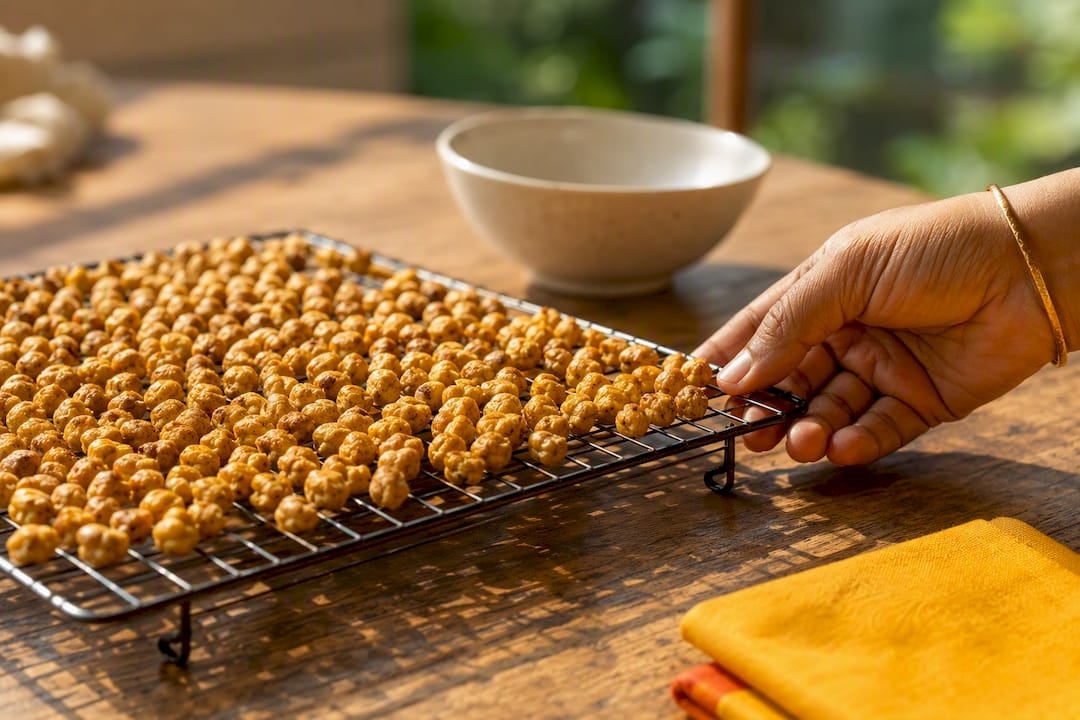
Chickpeas (chana): Roast at around 400°F for 30 to 40 minutes, adding spice powders after they come out so the seasoning doesn’t scorch.
Chana dal: Needs about 35 to 45 minutes at the same 400°F, stirring periodically so every piece browns evenly, according to the roasting method from Petite Paprika.
Makhana: Cooks faster in an air fryer than in an oven, and uses less oil than deep-frying while still turning out light and crisp.
Spread everything in a single layer. Crowding the tray traps steam, which softens the crunch you’re trying to build. Pat wet ingredients dry before they ever hit the heat, and roast in smaller batches if your tray looks packed.
Pro Tip: Never seal a batch straight off the tray. Letting roasted snacks cool completely before storage keeps the crunch from collapsing into a stale, chewy texture.
What to Check on the Label Before You Buy
Not every “roasted” snack on a shelf earned that word. Some brands roast the base ingredient, then coat it in a fried seasoning layer, which quietly reintroduces the oil you were trying to avoid. A few checks catch that fast:
Favor snacks where the ingredient list is short: chana, oil, spices, salt. That’s it.
Watch for hydrogenated oil or “vegetable shortening,” both signs of trans fat.
Check sodium per serving, not per package. A 100-gram bag can list four or five servings, and it’s easy to eat the whole thing in one sitting.
Be wary of added sugar in “sweet and spicy” blends. Some carry more sugar than a cookie.
“Baked” and “low-fat” on a front label don’t guarantee a low oil count. Flip to the nutrition panel and check grams of fat per actual serving size, not the marketing claim.
Roasted chana’s protein and fiber profile makes it one of the stronger picks on a health-focused shelf, especially next to snacks that lean on refined flour and fried coatings.
How to Roast and Season Snacks at Home
Getting jar-worthy crunch at home comes down to a sequence, not a secret ingredient.
Soak the pulse or grain if the recipe calls for it, chana dal especially.
Pat it completely dry until the surface looks matte, not glossy. Any leftover moisture turns to steam in the oven and softens the final texture.
Spread everything in one layer on the tray or air-fryer basket, no piling.
Roast at 400°F, checking and stirring every 10 to 12 minutes.
Toss the seasoning in while the batch is still warm, so the spice clings instead of sliding off once it’s cool.
Let it cool fully to room temperature before sealing it in an airtight jar.
Air-fryer batches run smaller and faster than oven trays. Shake the basket every few minutes instead of stirring, and expect the total time to land shorter than an oven roast for the same amount of makhana or chana.
Pro Tip: Patting ingredients to a matte finish before roasting and seasoning while the batch is still warm are the two steps most home cooks skip, and they’re the difference between a snack that stays crisp for weeks and one that goes soft by day three. Some makers lean on both in every small batch, alongside methods drawn from traditional Indian snack-making techniques.
Why We Still Roast the Old-Fashioned Way
Fried namkeen has its place, but it’s not what most of our customers are reaching for at 4 p.m. on a workday. We roast chana, dal, and other snacks the way our families always did, in small batches, with real spice instead of flavor powder. Less oil, more flavor, and a crunch that lasts because we cool everything fully before it goes in the jar. Busy professionals, homesick foodies, and anyone counting oil grams tend to land here for the same reason: it tastes like someone’s kitchen, not a factory line.
— Shivam
Ready to Taste a Handcrafted Batch?
We keep every roast small, every spice blend real, and every batch cooled and sealed the way you’d do it in your own kitchen. That’s the whole difference between Desimunchiess and a bag off a supermarket shelf: no shortcuts, no flavor powder standing in for actual masala.
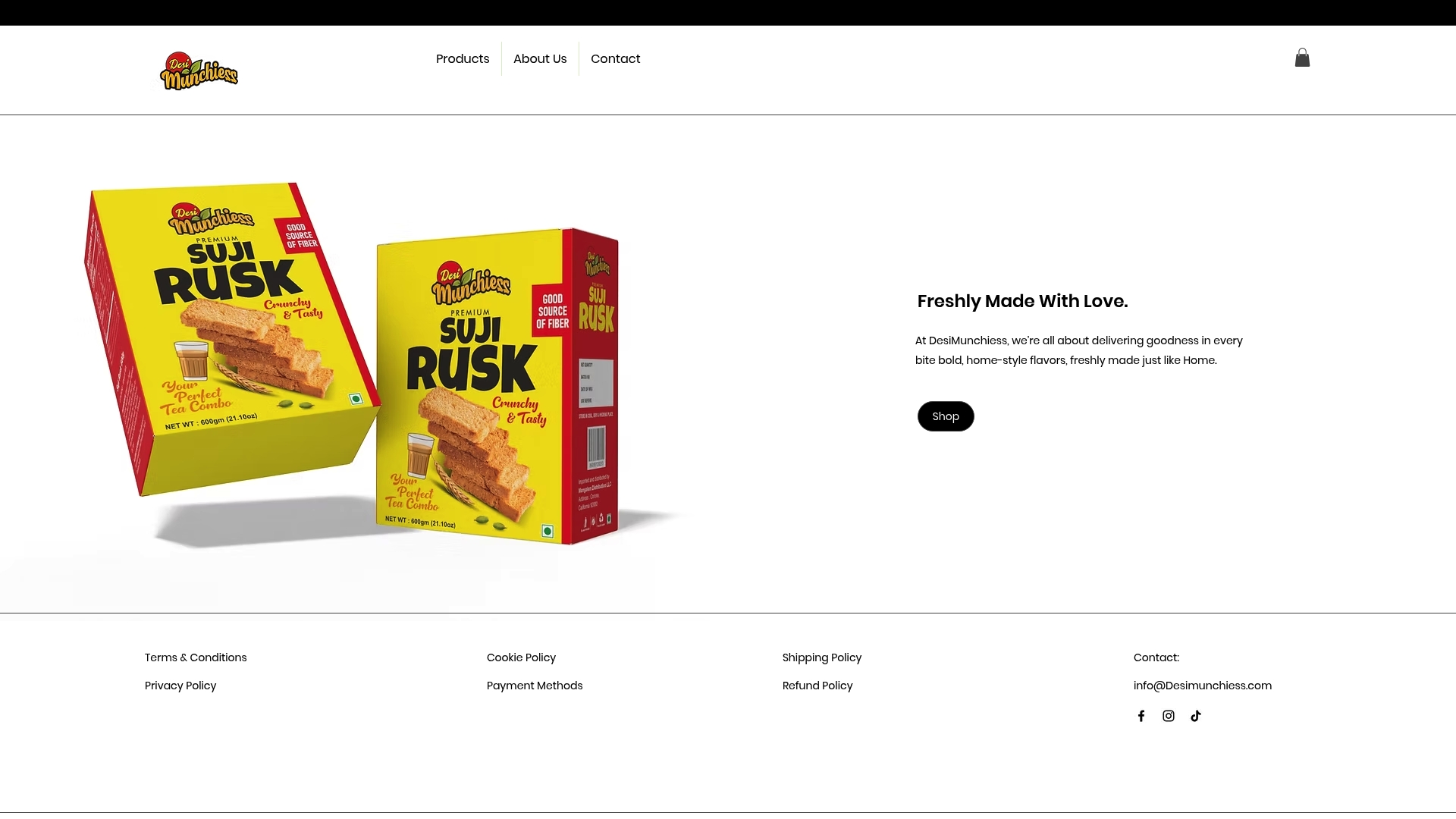
A 500-gram pack of roasted chana is a solid way to start if you’re new to us, big enough to share, small enough to finish before the crunch fades. Store it airtight and it holds its texture well past a couple weeks on the counter. If you’re building out a wider snack rotation, a nut mix from Sweets by Svea makes a nice pairing for variety in the same snack box. Head to Desimunchiess and place your first order today.
Sources
FAQ
What Are the Best Roasted Snacks in India?
Roasted chana, chana dal, makhana chivda, and dry-roasted peanuts top most lists, largely because they hold crunch well and take on spice easily.
What Are Some Crispy Indian Snacks That Aren’t Fried?
Oven-roasted chickpeas, air-fried makhana, and roasted chana dal all deliver a crisp bite without a deep-fry step, provided they’re roasted in a single layer and cooled fully before storage.
What Are the Top Indian Snacks for Health-Conscious Eaters?
Roasted chana, chana dal, makhana, and mixed roasted namkeen tend to rank highest, since they carry protein and fiber with far less oil than fried versions like bhujia or fried mixture.
What Are Some Examples of Baked Indian Snacks?
Baked chickpeas, oven-roasted dal, and baked millet mixes fall into this category, all cooked with dry heat rather than oil, similar to what Desimunchiess uses for its roasted chana line.
How Long Do Roasted Indian Snacks Stay Fresh?
A fully cooled batch sealed in an airtight container typically holds its crunch for a couple of weeks at room temperature; a quick 350°F reheat for a few minutes can revive texture that’s started to soften.
Recommended
Comments