
U.S. Buyers: Spot Authentic Indian Sweets and 12 Classics That Ship Fresh


Authentic Indian sweets, known as mithai, are handcrafted confections built from a small set of traditional ingredients: khoya (reduced milk), desi ghee, jaggery, cardamom, saffron, and nuts. The classics you’ll see everywhere are gulab jamun, jalebi, ladoo, barfi, rasgulla, and kulfi. This guide walks through the full lineup, how to spot the real thing versus a mass-produced imitation, where to buy safely online, and a few recipes worth trying at home.
TL;DR:
Authentic Indian sweets are best identified by their genuine ingredients, including real ghee, khoya, and natural spices, rather than shortcuts like vegetable oils or flavor additives.
Perishable sweets like rasgulla or sandesh require careful packaging, refrigeration, and prompt delivery, especially when ordered online from reputable small-batch sellers.
Traditional sweets such as gulab jamun, jalebi, and ladoo should have specific textures: gulab jamun should disintegrate easily, jalebi should stay crunchy briefly, and ladoo should be nutty and slightly grainy.
Homemade recipes for common mithai like gulab jamun, ladoo, and kheer are simple to try, requiring minimal ingredients and offering authentic flavor insights.
Shopping for mithai online demands checking for batch dates, clear ingredient labels, and seller transparency to avoid adulteration and ensure quality.
Table of Contents
What Are Authentic Indian Sweets? A Guide to the Classics
Mithai falls into three broad families: milk-based, syrup-based, and grain-or-legume-based. Milk-based sweets like burfi, peda, and kheer rely on khoya, milk that’s been slow-cooked down until it thickens into a dense, fudge-like base. Syrup-based sweets like gulab jamun and jalebi get their signature stickiness from being soaked in sugar syrup after frying. Grain and legume sweets, ladoo being the best example, build their structure from roasted flour, lentils, or semolina bound together with ghee and sugar, according to the categorization documented on Wikipedia.
Here’s what to know about the sweets you’ll encounter most, whether you’re browsing a sweet shop or scrolling an online storefront.
Gulab jamun: Deep-fried khoya dumplings soaked in rose or cardamom-scented sugar syrup. Look for a soft, spongy interior with no dense or gummy center. A real one should almost dissolve on your tongue.
Jalebi: Fermented batter piped into pretzel-like coils, fried until crisp, then dunked in syrup. The best versions stay crunchy on the outside for a few hours before softening. If it’s limp on arrival, the syrup ratio was off.
Ladoo: Round balls made from besan (gram flour), semolina, or coconut, bound with ghee. Besan ladoo should taste nutty and slightly grainy, never pasty.
Barfi: A dense, milk-based fudge, often cut into diamonds and topped with a thin layer of edible silver leaf (vark). Kaju barfi, made from cashews, is one of the most popular variations.
Rasgulla: Spongy balls of chenna (fresh cheese curd) simmered in light sugar syrup. Bengali versions are famously light and juicy, not chewy.
Kulfi: A denser, creamier cousin of ice cream, made by slow-reducing milk rather than churning air into it. Pistachio and mango are the most common flavors.
Peda: A close relative of barfi, softer and often flavored with saffron or cardamom, shaped into small discs.
Kheer: A rice pudding simmered in milk with cardamom, saffron, and nuts. Sometimes made with vermicelli instead of rice.
Sandesh: A Bengali specialty made from fresh chenna, lightly sweetened and delicately flavored, prized for its subtlety compared to syrup-heavy sweets.
Mysore pak: A South Indian sweet made from gram flour, ghee, and sugar, cooked until it forms a porous, melt-in-the-mouth block.
Besan chakki: A firmer, fudge-like sweet made from roasted gram flour and ghee, cut into squares.
Soan papdi: A flaky, layered sweet made from gram flour and sugar syrup pulled into thin threads, similar in texture to cotton candy but denser.
Many of these sweets carry direct ties to festivals. Diwali tables are rarely complete without ladoo and barfi, while jalebi shows up at celebrations across the calendar year, a connection to hospitality and gifting that runs deep in South Asian culture, as historical food writing on sweets and celebration points out about confections tied to ritual more broadly. If you’re shopping for something specific, small-batch American sellers carry rotating selections of these classics, which is worth checking when a particular sweet isn’t available locally.
How to Spot Authentic Ingredients and Real Craftsmanship
Reading a label tells you almost everything before you take a single bite. Here’s the order to check things in:
Scan for desi ghee, not “vegetable oil” or “shortening.” Ghee is clarified butter, and it’s what gives barfi and ladoo their rich, slightly nutty backbone. If the label says “vegetable fat” instead, that’s a shortcut, not a substitution with the same flavor.
Look for khoya or “milk solids” on milk-based sweets. This is the reduced-milk base that separates a real peda from a rubbery imitation. Some cheaper versions substitute powdered milk and stabilizers to cut production time.
Check whether sugar or jaggery is listed first. Jaggery gives certain sweets an earthy, caramel-like depth that white sugar can’t replicate. Its presence (or absence) tells you a lot about whether a recipe followed tradition or took a shortcut.
Confirm whole spices, not “spice blend” or “natural flavor.” Saffron and cardamom should appear by name. Vague flavoring language usually signals a lower-cost substitute.
Find the batch date and ingredient list on the packaging. Reputable small-batch producers print both clearly, along with allergen declarations for milk, tree nuts, and wheat where relevant. Buyers should expect this level of detail on any packaged mithai sold commercially.
Red flags to watch for: no batch date anywhere on the package, an ingredient list that’s vague or missing entirely, or a texture that feels inconsistent between pieces in the same box (a sign of inconsistent production, not artisanal variation). If you want a deeper breakdown of what “handcrafted” actually looks like on a label, this guide to spotting authentic artisanal snacks walks through the same signals in more detail.
Pro Tip: Break a piece of barfi or ladoo in half before eating it. Authentic versions should crumble slightly or show a dense, uniform texture inside. If it’s glossy, waxy, or bounces back like a gummy candy, it likely relies on stabilizers instead of real ghee and khoya.
Where to Buy Authentic Indian Sweets Online Safely
Not every mithai ships the same way, and that distinction matters more than most buyers realize. Shelf-stable sweets like certain ladoo, soan papdi, or dried barfi travel like ordinary packaged snacks. Perishable sweets, anything with fresh khoya or chenna, like rasgulla, sandesh, or fresh peda, need refrigeration and careful handling in transit.

Federal guidance is direct on this point: perishable items should arrive cold, below a certain safe temperature threshold, and vendors should use insulated packaging along with gel or frozen packs to maintain that temperature, according to FSIS mail-order food safety guidance. Vendors who take this seriously typically run simulated time-and-temperature tests on their packaging before they ever ship a customer order, confirming the insulation holds up over a realistic transit window.
Before you order, ask a few direct questions:
Does the seller list a batch date or production date on the package?
Is the full ingredient list, including allergens, visible before checkout?
What’s the estimated transit window, and does it avoid weekend delivery?
What’s the return or refund policy if a perishable item arrives warm?
Order early in the week whenever perishable sweets are involved. Shipping guidance for perishable foods consistently recommends avoiding Friday shipments, since a package sitting in a warehouse over the weekend defeats even good insulation. When your order arrives, check the temperature immediately. If a perishable sweet shows up warm, don’t eat it. Contact the seller and ask about their replacement policy instead.
Simple Mithai Recipes to Try at Home First
Trying a few classics in your own kitchen is a low-stakes way to learn what “authentic” should actually taste like before you order specialty items.
Quick gulab jamun: Use a store-bought khoya mix or milk powder, form small balls, fry gently until deep golden, then soak in cardamom sugar syrup. Prep time: 40 minutes. Store in syrup, refrigerated, up to a week.
Besan ladoo: Roast gram flour in ghee until fragrant and slightly darker, stir in powdered sugar and cardamom, then roll into balls while warm. Prep time: 30 minutes. Keeps at room temperature in a sealed container for two weeks.
Kheer: Simmer rice in whole milk until thick, sweeten, and finish with cardamom, saffron, and slivered almonds. Prep time: 45 minutes. Best eaten within three days, refrigerated.
Kulfi-inspired freezer dessert: Reduce sweetened condensed milk with cream, pistachios, and cardamom, then freeze in small molds. Prep time: 15 minutes active, plus six hours freezing. Keeps frozen for up to a month.
If you can’t find khoya locally, whole milk powder mixed with a little cream works as a reasonable substitute in most of these. Real Taste of Home recipe roundups confirm most of these classics translate well to a home kitchen with only one or two specialty ingredients required.
What Small-Batch Mithai Should Actually Taste Like
We believe authenticity shows up in texture as much as flavor. A real gulab jamun should be soft enough to press with a spoon. A real jalebi should still have some crunch. Here’s what we stand behind: fresh ingredients, no fillers, and batches small enough that every piece tastes the way it’s supposed to. [Author background and credentials placeholder.] [Founder expertise and sourcing story placeholder.] [Customer testimonial placeholder.] [Proprietary sourcing data placeholder.]
Regional Mithai Traditions Worth Knowing
Bengal built its sweet-making tradition around chenna, fresh cheese curd that gives rasgulla and sandesh their light, delicate texture. This is a different approach than the khoya-heavy sweets found in the north, and it produces a noticeably less rich, more subtle result.
Punjab leans into ghee-forward, dense sweets. Pinni, a legume-and-nut ladoo cooked slowly in ghee, and dense barfi varieties are staples here, built for cold winters and generous portions.
South India brings its own signatures: Mysore pak, with its porous, ghee-soaked texture, and payasam, a coconut-milk-based dessert that plays a similar role to kheer but with an entirely different flavor base. Coconut, jaggery, and cashews show up far more often here than in northern sweets.
These regional differences aren’t just aesthetic. They reflect what ingredients were locally abundant. Bengal’s rivers and dairy tradition shaped chenna-based sweets. Punjab’s dairy-heavy agriculture shaped its ghee-forward style. The south’s coconut and jaggery availability shaped its distinct sweetness profile. Knowing this helps explain why a sweet shop in one region might not even carry what’s standard in another, and why a well-rounded online seller stocking sweets from multiple regions is genuinely useful for someone who wants to explore beyond what’s local to them.

Why Sweets Matter So Much During Festivals
Mithai isn’t an afterthought at Indian celebrations. It’s often the centerpiece. Diwali tables are built around ladoo and barfi. Weddings involve boxes of assorted sweets gifted to guests as a gesture of goodwill. Religious offerings frequently include sweets prepared specifically for the occasion, a practice that ties food directly to devotion rather than treating it as a separate indulgence.
Sharing sweets remains one of the most consistent social rituals across South Asian communities, a form of hospitality that predates modern gift-giving norms entirely. When someone visits your home, offering something sweet isn’t optional courtesy. It’s expected. This is part of why gifting boxes of mithai during Diwali has held on so strongly even as other traditions have shifted. If you’re planning ahead for a festival season, a Diwali sweets guide built for shipping and gifting covers which sweets travel well and hold up as gifts across long distances.
For event planners handling larger celebrations, sourcing festive menu items in advance matters just as much as the sweets themselves. Guidance on festive meal offerings for event planners covers broader catering considerations worth factoring in alongside a dessert spread.
Common Adulteration Tricks and How to Avoid Them
The mithai market has a real counterfeit problem, and it’s worth knowing what to watch for. The most common issue is synthetic khoya, made from starch, detergent, or paper pulp instead of actual reduced milk, sold cheaply to undercut legitimate producers. This isn’t a fringe issue; it’s a recurring seasonal concern around major festivals when demand spikes and supply chains get stretched thin.
Fake silver leaf (vark) is another one. Real vark is pure silver, hammered thin. Cheaper imitations use aluminum, which isn’t meant for direct ingestion the same way and can carry manufacturing residues. Artificial colors are a third concern. Some low-cost producers use non-food-grade dyes to make sweets look more vibrant than a natural version would.
The best defense is buying from sellers who publish real ingredient lists and batch dates rather than vague marketing language. A texture and taste test helps too. Synthetic khoya tends to feel gritty or oddly chewy compared to the smooth, slightly grainy richness of the real thing. If a sweet tastes overly sweet with almost no dairy or nutty depth, that’s often a sign of shortcuts somewhere in the ingredient list. Sticking with vendors who are transparent about sourcing, rather than the cheapest option in a search result, remains the most reliable safeguard.
Our Take: What Actually Matters When Buying Mithai
Most guides to Indian sweets treat authenticity as a checklist: right ingredients, right shape, done. We think that misses the point. Authenticity is a production discipline. Slow-reduced khoya and properly timed sugar syrup take patience that mass production doesn’t reward, and that difference shows up in texture long before it shows up in flavor.
The conventional advice tells shoppers to just “read the ingredients.” Good starting point, but it stops short. A label can list ghee and jaggery and still come from a rushed, inconsistent batch. What we’d prioritize instead: batch dates, transparency about how something was made, and a seller willing to answer direct questions about their process. That tells you more than any ingredient list alone.
If you’re new to mithai, start with something forgiving like besan ladoo before ordering delicate, perishable sweets online. Learn what real texture feels like first. Then you’ll actually recognize the difference when you order something more specialized.
— Shivam
Order Handcrafted Sweets and Snacks from Desimunchiess
There are sellers that make sweets and snacks the way they’re supposed to be made: small batches, real ghee, real ingredients, nothing rushed. No mass-production shortcuts, no mystery fillers standing in for khoya.
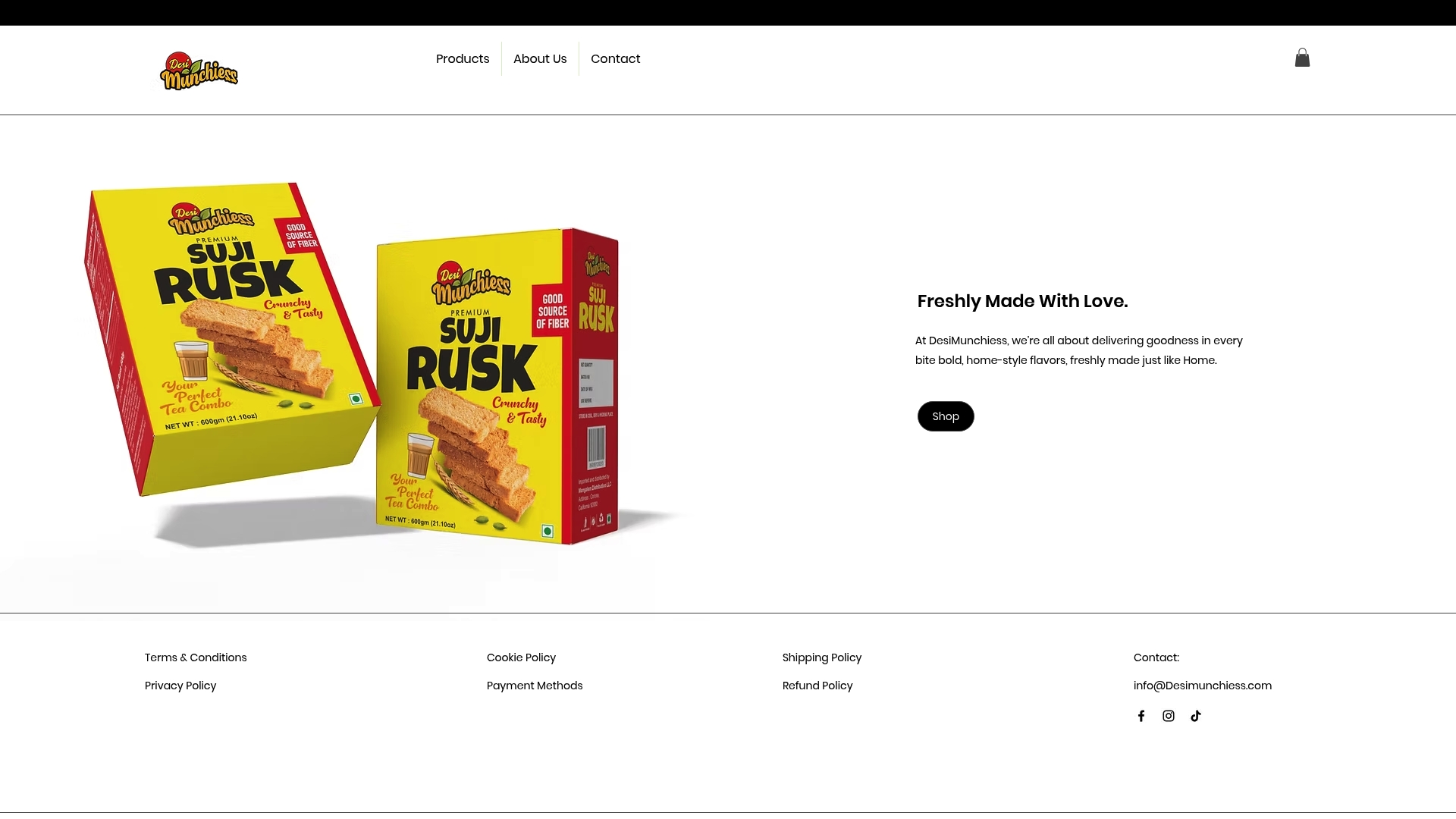
Our full lineup of sweets, snacks, biscuits, candy, pickles, and more covers a lot of ground beyond just mithai, so if you’re stocking up for a festival or just craving something that tastes like home, there’s plenty to browse. Every product ships with clear ingredient listings, and we’d rather you check the batch date and ask questions than guess. If sweets aren’t quite what you’re after today, our roasted chana and mixed pickle are worth a look too. Head to the shop, pick a few things that catch your eye, and see what handcrafted actually tastes like.
Sources
FAQ
What Are Traditional Indian Sweets?
Traditional Indian sweets, or mithai, are handcrafted confections built from milk, ghee, jaggery, sugar, and spices like cardamom and saffron. They fall into three main categories: milk-based (barfi, peda), syrup-based (gulab jamun, jalebi), and grain-or-legume-based (ladoo), as categorized on Wikipedia.
What Is the Most Popular Sweet in India?
Gulab jamun is widely considered the most universally recognized Indian sweet, found at celebrations, restaurants, and homes across nearly every region. Jalebi and various ladoo varieties are close contenders and tend to top most regional favorites lists.
What Are the Top Indian Desserts to Try First?
Start with gulab jamun, jalebi, besan ladoo, barfi, rasgulla, and kulfi. These six cover the major texture and flavor profiles in Indian sweets, from syrup-soaked to dense and fudgy to frozen and creamy.
Where Can I Buy Authentic Indian Sweets Online in the US?
Look for small-batch sellers who publish clear ingredient lists, batch dates, and allergen information rather than vague marketing claims. Desimunchiess offers a rotating selection of sweets and snacks made in small batches with traditional ingredients, shipped with attention to freshness.
Recommended
Comments