
Control Snack Cravings Naturally: Practical Methods That Work

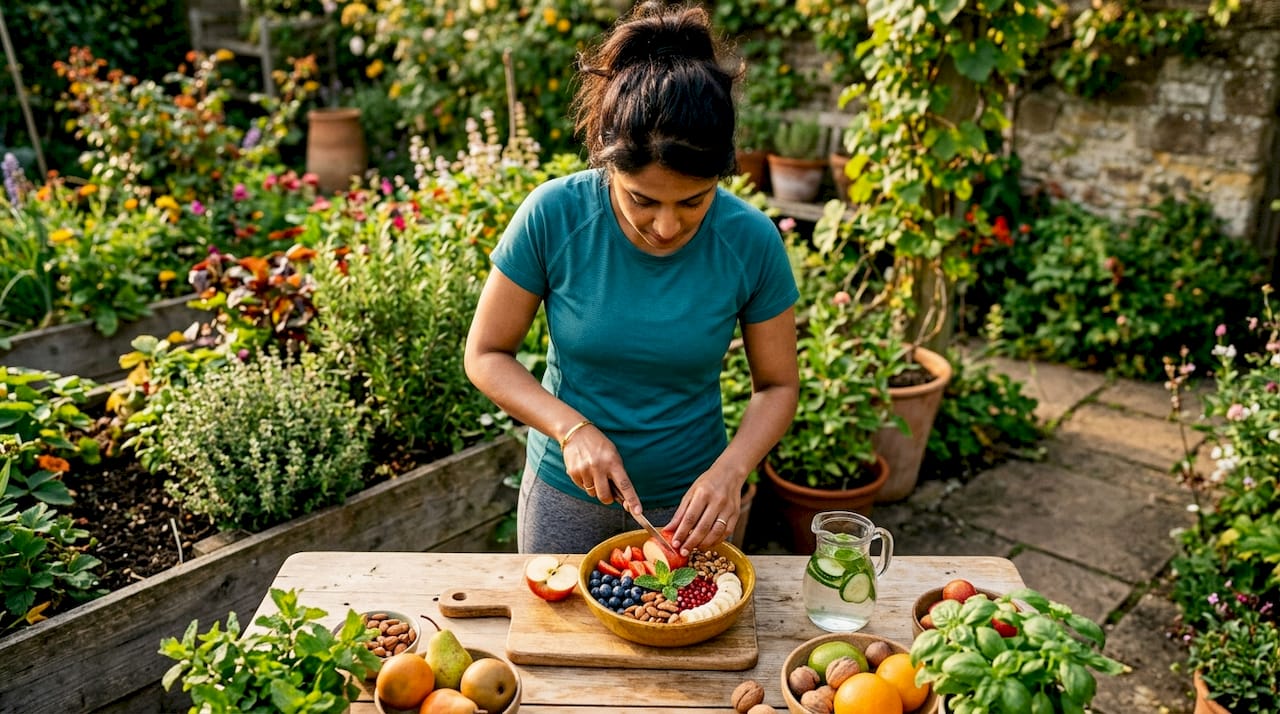
Snack cravings are defined as sudden, intense urges to eat specific foods, and they are driven by hunger hormones, blood sugar fluctuations, and environmental cues rather than willpower failures. You can control snack cravings naturally by combining consistent meal timing, balanced macronutrients, and smart snack choices that stabilize satiety signals throughout the day. The good news is that this process does not require supplements, appetite suppressants, or strict calorie counting. Three core levers do most of the work: what you eat, when you eat, and what your environment looks like when hunger strikes.
How can consistent meal timing control snack cravings naturally?
Structured eating is the single most effective foundation for managing cravings. Three meals and one snack per day, eaten at consistent times, stabilizes satiety hormones and prevents the extreme hunger that makes cravings feel uncontrollable. When you skip meals or eat at random times, your body swings between low blood sugar and sudden hunger spikes. Those spikes are when cravings hit hardest.
Balanced macronutrients at every meal activate the biological signals that tell your brain you are full. Protein, fat, and carbohydrates each play a distinct role. Protein slows digestion. Fat extends satiety. Carbohydrates provide immediate energy. Miss any one of them and your body keeps searching for what it did not get, which shows up as a craving an hour after eating.
Here is what a well-structured eating day looks like in practice:
Breakfast: Eggs with whole grain toast and avocado covers all three macronutrients and sets a stable energy baseline for the morning.
Lunch: A grain bowl with legumes, leafy greens, and olive oil provides fiber, protein, and fat together.
Afternoon snack: A small portion of nuts with fruit delivers fat, protein, and natural sugar without a blood sugar crash.
Dinner: A balanced plate of lean protein, cooked vegetables, and a complex carbohydrate closes the day without leaving your body searching for more.
The key is consistency. Eating at roughly the same times each day trains your hunger hormones to follow a predictable rhythm. That rhythm is what makes cravings manageable.
Pro Tip: Set a phone alarm for your three main meals for the first two weeks. This removes the decision fatigue of “when should I eat?” and builds the habit faster than willpower alone.
What are the best healthy snack alternatives for curbing cravings?
The right snack does not just quiet hunger. It prevents the next craving from forming. Pairing natural sweetness with protein, fiber, or healthy fats prevents the blood sugar spikes that trigger subsequent cravings within an hour or two. This nutrient pairing strategy is the core principle behind every effective healthy snack alternative.
High-fiber foods like fruits, vegetables, and legumes create mechanical fullness by adding bulk and slowing digestion. Fiber signals satiety to the brain, which means you feel full longer without eating more calories. That is why an apple with almond butter outperforms a bag of pretzels every time, even if the calorie counts are similar.
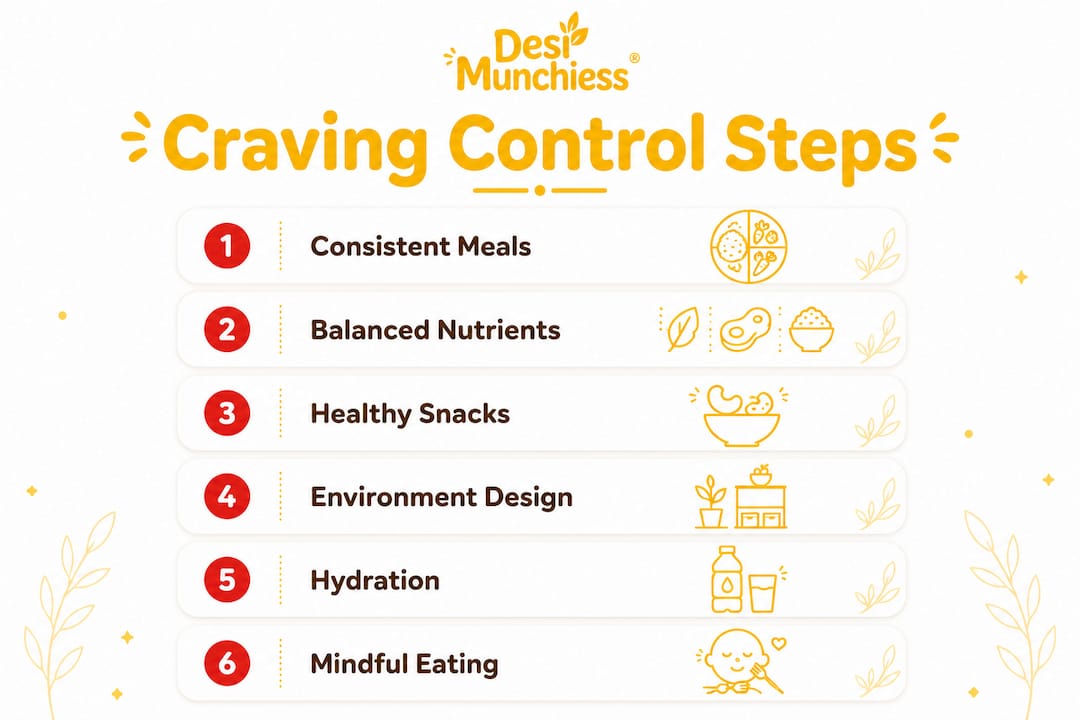
Here are snack pairings that satisfy cravings without triggering new ones:
Craving type | Healthy snack alternative | Why it works |
Sweet | Greek yogurt with berries | Protein plus fiber slows sugar absorption |
Crunchy | Roasted chickpeas | High fiber and protein with satisfying texture |
Salty | Nuts with a pinch of sea salt | Healthy fat extends fullness for hours |
Creamy | Hummus with cucumber slices | Protein and fiber without refined carbs |
Rich | Dark chocolate with a handful of almonds | Fat and magnesium reduce sugar cravings |
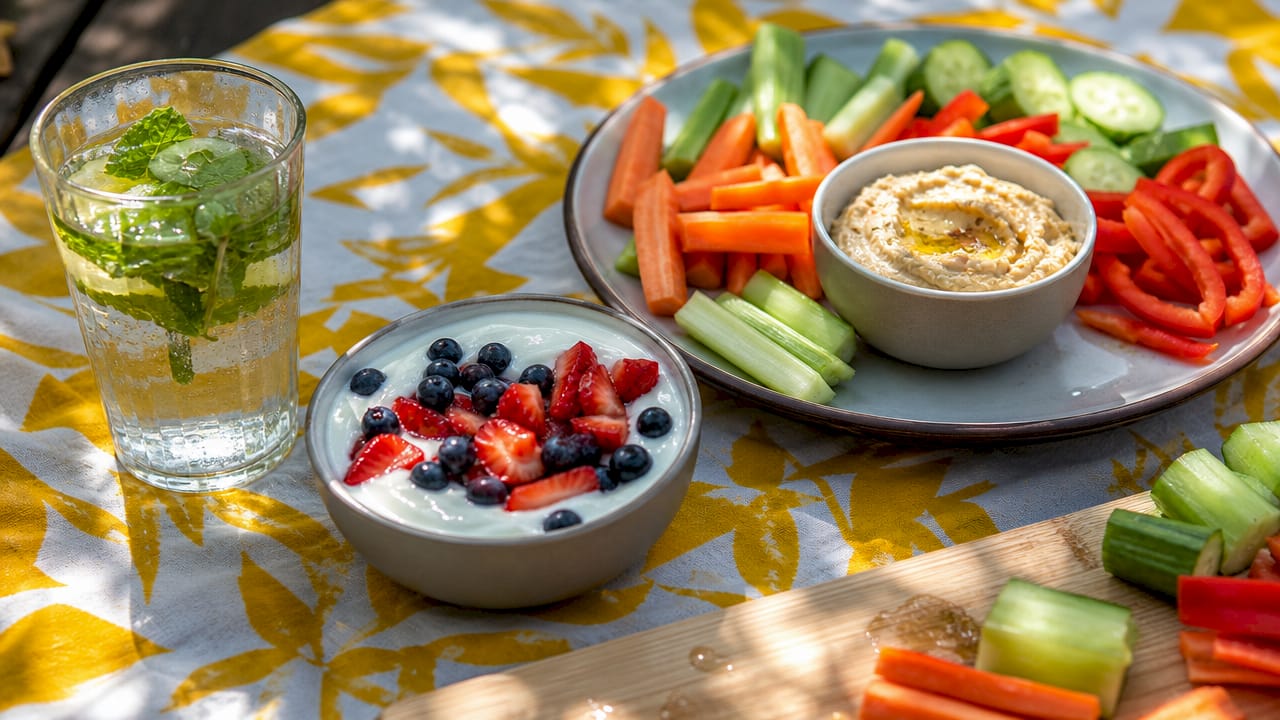
Mindful buying matters as much as mindful eating. If processed snacks are not in your home, they cannot trigger a craving response. Stock your pantry with whole food snacks that combine at least two of the three satiety nutrients. Practitioners confirm that combining protein, fiber, and healthy fats in snacks prolongs fullness and stabilizes energy, which proactively prevents cravings before they start.
How do environmental triggers drive cravings, and how do you stop them?
Your environment shapes your cravings more than your willpower does. Visual and olfactory exposure to tempting food increases cravings even when you are not physically hungry. Walking past a bowl of chips on the counter is enough to start a craving response. The solution is not stronger willpower. The solution is removing the trigger.
Much of what people experience as cravings is actually “food noise,” which Harvard Health describes as intrusive food thoughts triggered by environment and irregular eating habits. Structured routines and mindfulness reduce food noise more reliably than restriction does. When you eat at consistent times and keep tempting foods out of sight, the mental chatter about snacking quiets down on its own.
Here is a practical sequence for managing environmental triggers:
Remove visible temptations. Store processed snacks in opaque containers or remove them from the home entirely. Out of sight genuinely means out of mind for most people.
Redesign your kitchen. Place fruit, nuts, and other whole food snacks at eye level in the fridge and on the counter. You eat what you see first.
Break habitual routes. If you always walk past the vending machine at 3:00 PM, take a different path. Cravings attach to routines and locations.
Use distraction deliberately. Non-food distractions like a five-minute walk, a glass of water, or reading for a few minutes interrupt the craving impulse before it becomes a decision.
Reset your palate gradually. Avoiding processed foods lowers your tolerance for high sugar and fat levels over time. Your taste buds adapt, and whole foods start tasting more satisfying within weeks.
Pro Tip: Before reaching for a snack, drink a full glass of water and wait five minutes. Thirst and mild dehydration frequently register as hunger, and this one habit eliminates a surprising number of unnecessary snacking moments.
How do you troubleshoot cravings that keep coming back?
Persistent cravings usually signal one of two things: an unmet physical need or an emotional trigger wearing the costume of hunger. Identifying which one you are dealing with changes everything about how you respond.
Physical cravings come on gradually and respond to any food. Emotional cravings arrive suddenly, feel urgent, and point to a specific food, usually something sweet, salty, or crunchy. Once you recognize the difference, you can address the real cause instead of feeding a feeling.
Common reasons cravings persist and how to address them:
Insufficient protein at meals. If you feel hungry within two hours of eating, add more protein to your next meal. Protein is the most satiating macronutrient and the most commonly under-eaten one.
Chronic stress. Stress elevates cortisol, which increases appetite and drives cravings for high-calorie foods. Stress management practices like short walks, deep breathing, or journaling reduce emotional snacking more reliably than food swaps alone.
Poor sleep. Sleep deprivation disrupts hunger hormones directly, increasing ghrelin (the hunger hormone) and decreasing leptin (the fullness hormone). Prioritizing seven to nine hours of sleep is one of the most underrated natural ways to curb cravings.
Habit loops. Some cravings are pure habit, triggered by a time of day or a specific activity like watching TV. Replacing the snack with a non-food behavior, such as herbal tea or a short stretch, breaks the loop within a few weeks.
New habits take four to six weeks to form sustainably. That timeline matters because most people abandon their approach after one or two weeks, right before the habit starts to stick. Patience is not passive. It is part of the strategy. If cravings remain intense after six weeks of consistent effort, speaking with a registered dietitian is a practical next step, not a sign of failure.
Key Takeaways
Controlling snack cravings naturally requires consistent meal timing, balanced macronutrients, and an environment designed to support better choices rather than willpower alone.
Point | Details |
Meal timing is foundational | Eating three meals and one snack at consistent times stabilizes hunger hormones and prevents extreme cravings. |
Macronutrient balance matters | Every meal needs protein, fat, and carbohydrates to fully activate satiety signals and reduce post-meal cravings. |
Snack pairing prevents crashes | Combining natural sweetness with protein, fiber, or fat stops blood sugar spikes that trigger new cravings. |
Environment beats willpower | Removing visual food cues and redesigning your kitchen reduces cravings more reliably than self-control. |
Habit formation takes time | Expect four to six weeks of consistent effort before new craving-control habits feel automatic. |
What I have learned from managing cravings the natural way
The most honest thing I can say about overcoming snack cravings is this: the environment does more work than most people give it credit for. When I stopped keeping chips and cookies in the house, my evening snacking dropped without any conscious effort. I did not feel deprived. The craving simply had nothing to attach to.
What surprised me most was how quickly balanced meals changed my appetite. Within two weeks of eating protein, fat, and carbs at every meal, the 3:00 PM sugar craving I had experienced for years became almost nonexistent. The craving was not a character flaw. It was a signal that my lunch was nutritionally incomplete.
The part people get wrong most often is expecting fast results and then quitting too early. Habit formation is slow by design. The body needs time to recalibrate hunger hormones, reset palate sensitivity, and build new behavioral patterns. Compassion toward yourself during that window is not soft advice. It is what keeps you consistent long enough for the changes to take hold.
If you are exploring better-for-you snack alternatives as part of this process, focus on options that satisfy both flavor and nutrition. A snack that tastes like cardboard will not replace a craving. It will just delay it.
— Shivam
Snacks that actually satisfy, from Desimunchiess
At Desimunchiess, we believe a great snack should taste like something made with love, not manufactured in a factory. Our freshly made, bold-flavored snacks are crafted from traditional recipes using real ingredients, so you get the flavor your cravings are asking for without the processed additives that make cravings worse.
Whether you are looking for a satisfying crunch or something warm and familiar, our Indian snacks online bring home-style goodness straight to your door. Try our Tikoni Mathi, a handcrafted classic that delivers real flavor and real ingredients in every bite. When your snack is made with care and quality, you eat with intention. That is the Desimunchiess way.
FAQ
What causes snack cravings in the first place?
Snack cravings are triggered by hunger hormones, blood sugar fluctuations, and environmental cues like sight and smell. Irregular meal timing and unbalanced meals are the most common root causes.
How long does it take to reduce cravings naturally?
New habits that sustainably reduce cravings typically take four to six weeks to form. Consistency with meal timing and snack choices is the key factor in that timeline.
What is the best snack to stop sugar cravings?
Greek yogurt with berries is one of the most effective options because it pairs protein with natural sweetness and fiber, which prevents the blood sugar spike that triggers follow-on cravings.
Does removing processed foods actually reduce cravings?
Avoiding processed foods lowers your tolerance for high sugar and fat levels over time, which naturally reduces cravings for hyper-palatable snacks. The palate resets within weeks to months of consistent whole food eating.
Can mindfulness really help control hunger without chemicals?
Mindfulness reduces “food noise,” which is the intrusive food thinking driven by environment and irregular habits. Structured eating routines combined with mindfulness practices quiet that mental chatter more reliably than restriction alone.
Recommended
Comments