
The Real Role of Natural Ingredients in Snacks

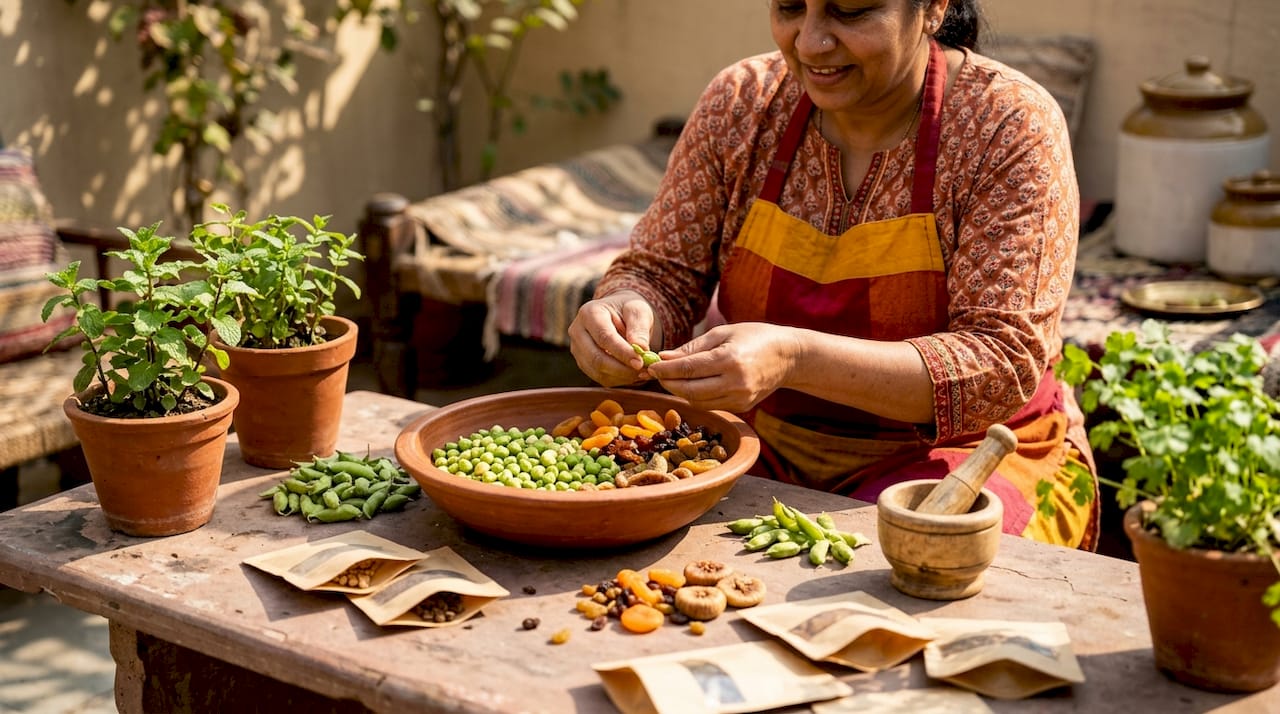
Natural ingredients in snacks are defined as components derived directly from whole foods that retain their nutritional integrity and exclude artificial additives, colorings, and preservatives. The role of natural ingredients in snacks goes far beyond simple nutrition. They deliver bioactive compounds, support gut health, and satisfy the growing consumer demand for clean-label transparency. Health Canada endorses whole food snack sources like fruits, vegetables, seeds, and nuts as the foundation of a healthy daily eating pattern. In 2026, that guidance aligns perfectly with where the snack market is heading.
What are the nutritional benefits of natural ingredients in snacks?
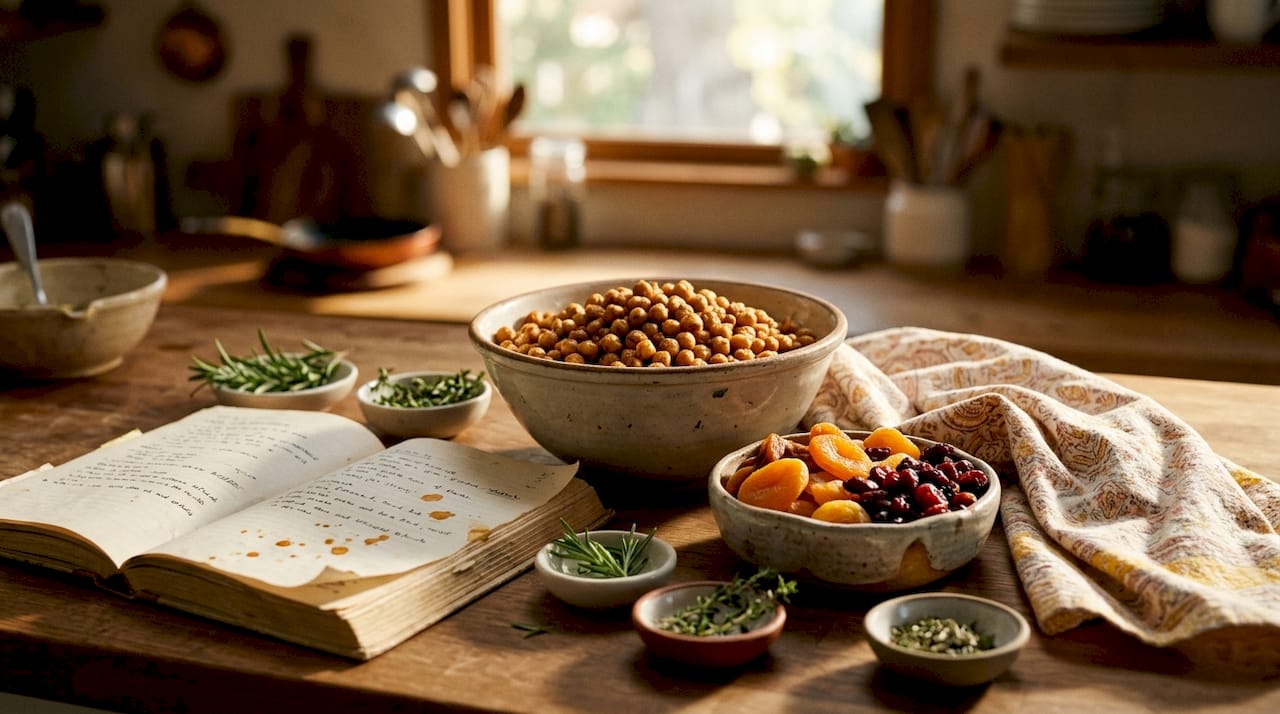
Natural ingredients deliver nutrients that processed additives simply cannot replicate. Vitamins, minerals, fiber, protein, and antioxidants all occur in higher concentrations in minimally processed whole food sources. When you eat a handful of nuts or a serving of edamame, you get a nutrient package that works together, not a list of isolated compounds added back after processing.
Protein and fiber that actually fill you up
One cup of cooked edamame provides 18.5g of protein and 8g of fiber, making it one of the most functional natural snacks available. That combination slows digestion, stabilizes blood sugar, and keeps hunger at bay for hours. Tempeh-based snacks offer a similar profile, delivering 10g of protein per bag along with vitamin D and calcium. These are nutrients most Americans fall short on daily.
How natural snacks reduce unhealthy cravings
A 16-week randomized controlled trial found that replacing ultra-processed snacks with tree nuts produced a 35% drop in cookie cravings and an 18% reduction in pizza cravings. Diet quality improved by 19% over the same period. That is not a minor shift. It shows that whole food snacks actively reshape eating patterns, not just fill a gap between meals.
Gut health and bioactive compounds
Natural ingredients also work at the cellular level. Urolithin A, a microbial metabolite produced when gut bacteria process nuts and berries, strengthens the gut barrier and activates protective mechanisms in intestinal epithelial cells. That means the benefit of eating a handful of walnuts or a cup of mixed berries extends well beyond the vitamins on the label. Your gut microbiome converts those whole food compounds into active defenders for your intestinal lining.
Key nutritional benefits of natural snack ingredients include:
Antioxidants from berries, nuts, and seeds that reduce oxidative stress
Prebiotic fiber from legumes and whole grains that feeds beneficial gut bacteria
Complete protein from fermented foods like tempeh that supports muscle repair
Fat-soluble vitamins like vitamin D and K found in nuts and seeds
Minerals including calcium, magnesium, and zinc from legume-based snacks
How do snack manufacturers overcome challenges replacing artificial additives?
Replacing artificial additives with natural ingredients is one of the hardest technical problems in food manufacturing. Artificial stabilizers, preservatives, and texture enhancers exist because they work reliably and cheaply at scale. Natural alternatives require repeated R&D and testing to match that performance without compromising taste, texture, or shelf life.
The core technical hurdles
Manufacturers face four primary challenges when reformulating with natural ingredients:
Texture stability: Legume flours and ancient grains like amaranth and teff provide fiber and structure, but they behave differently than refined starches under heat and pressure.
Shelf life: Natural preservatives like rosemary extract and vitamin E slow oxidation but require precise dosing to avoid off-flavors.
Color retention: Plant-based pigments from beet, turmeric, and spirulina fade under heat. Micronized pigment systems and encapsulation technology now help maintain color vibrancy after processing.
Flavor masking: Legume and whole grain bases often carry earthy or bitter notes. Taste modulation techniques using natural flavor compounds suppress off-notes without adding artificial masking agents.
Pro Tip: When reading a snack label, look for natural color sources listed by name, such as “beet juice concentrate” or “turmeric extract,” rather than generic terms like “natural color.” Specific names signal genuine clean-label formulation.
Innovations making natural reformulation work
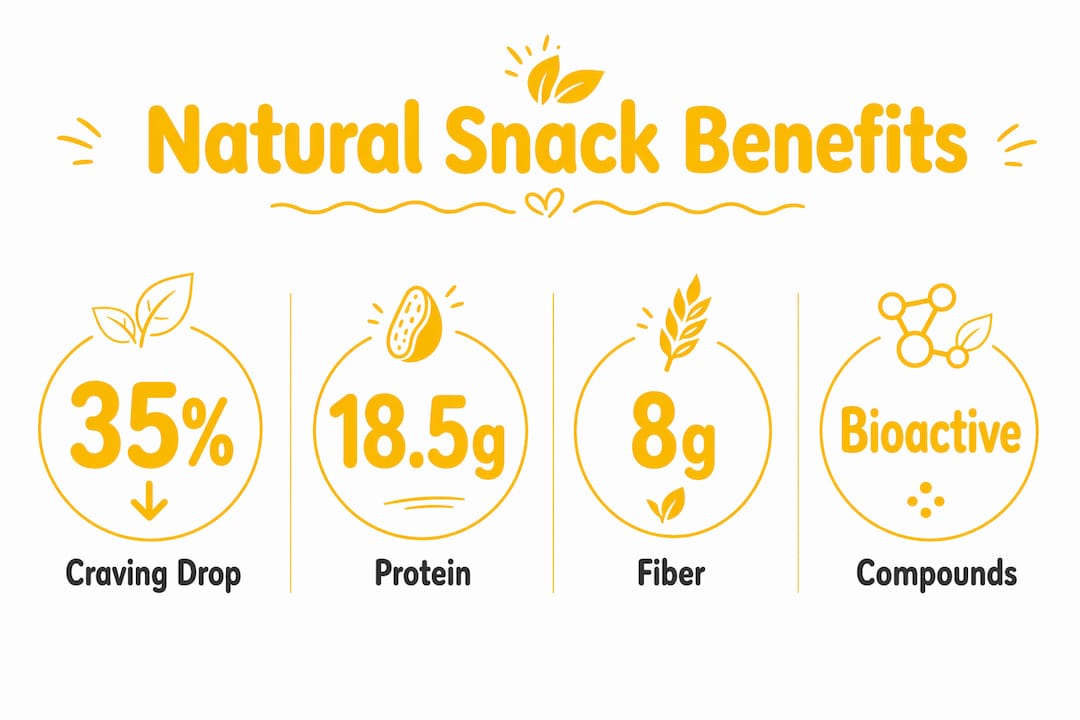
Proprietary drying technology now preserves whole fruit and vegetable ingredients’ nutritional integrity and sensory attributes without artificial additives. Freeze-drying and gentle air-drying lock in color, crunch, and flavor while keeping ingredient lists short. Ancient grain flours, particularly chickpea and lentil, have become workhorses for texture because they add fiber and protein while creating a satisfying crunch naturally.
Reformulation challenge | Natural solution |
Texture and crunch | Chickpea flour, lentil flour, ancient grains |
Color stability | Encapsulated beet, turmeric, spirulina pigments |
Shelf life | Rosemary extract, vitamin E, reduced moisture |
Flavor off-notes | Natural flavor modulation, spice blending |
Binding and structure | Chia seeds, flaxseed, psyllium husk |
Successful natural snack products must integrate multiple consumer priorities simultaneously: protein, fiber, natural colors, sustainability, and affordability. That requires extensive formulation refinement before a product ever reaches a shelf.
What sensory and indulgence factors do natural snacks address?
Nutrition alone does not sell snacks. Flavor, crunch, aroma, and the emotional satisfaction of eating something delicious all matter. The “permissible indulgence” trend captures this perfectly. Consumers want snacks that feel like a treat and deliver health benefits at the same time.
“Snacks with short, recognizable ingredient lists and functional benefits consistently outperform ultra-processed products in consumer preference testing. The winning formula combines clean-label transparency with genuine sensory pleasure, not a compromise between the two.” — Permissible indulgence trend, FoodNavigator, 2026
Natural flavors and textures satisfy both the body and the senses in ways artificial alternatives cannot. Roasted chickpeas deliver a satisfying crunch with earthy, savory depth. Dried mango carries intense sweetness without added sugar. Spiced nuts hit multiple sensory notes at once: heat, salt, fat, and crunch in a single bite. These are not compromises. They are genuinely pleasurable eating experiences built from real ingredients.
The sensory qualities that natural snacks deliver best include:
Crunch from roasted legumes, seeds, and dehydrated vegetables
Umami depth from fermented ingredients like tempeh and miso
Natural sweetness from dried fruits, dates, and coconut
Heat and spice from chili, black pepper, and ginger without artificial flavor boosters
Aroma from freshly roasted nuts and spices that signals quality before the first bite
Modern snack innovation now prioritizes adding functional ingredients like protein and fiber over simply reducing negatives. That shift means the best natural snacks today are genuinely better tasting, not just better for you on paper.
Practical ways to incorporate natural ingredients into your snacks
Choosing natural snacks does not require a nutrition degree. A few simple habits make a real difference in what ends up in your body.
Read the ingredient list, not just the front of the package. A short list of recognizable whole food ingredients is the clearest signal of a genuinely natural snack. If you cannot picture the ingredient growing in a field or on a tree, that is worth noting.
Pro Tip: Health Canada recommends choosing snacks that bridge nutrient gaps using fruits, vegetables, seeds, and nuts. Aim for snacks that combine at least two of these food groups for better satiety and nutrient variety.
Here are practical natural snack options that work for busy schedules:
Nuts and seeds: Almonds, walnuts, pumpkin seeds, and sunflower seeds provide protein, healthy fats, and minerals with zero preparation needed.
Legume-based snacks: Roasted chickpeas, edamame, and lentil chips deliver fiber and protein in a crunchy, satisfying format.
Dried fruits: Dates, figs, and unsweetened mango provide natural sugars, potassium, and fiber without added sweeteners.
Fermented snacks: Tempeh bites and miso-seasoned crackers add gut-friendly probiotics alongside protein and micronutrients.
Homemade combinations: Pairing a handful of nuts with dried fruit creates a snack that hits protein, fiber, and natural sugar in one go.
Traditional preparation methods like fermentation and slow roasting enhance the nutritional value of natural ingredients without adding anything artificial. These techniques have been used for centuries precisely because they work. Exploring better-for-you snack alternatives built on these methods is one of the fastest ways to upgrade your daily snacking habits.
Key Takeaways
Natural ingredients in snacks deliver measurable nutritional, sensory, and health benefits that artificial additives cannot replicate, making them the foundation of genuinely better snacking.
Point | Details |
Nutritional superiority | Natural ingredients retain vitamins, minerals, fiber, and bioactive compounds that processed additives lack. |
Craving reduction | A 16-week RCT showed tree nuts cut cookie cravings by 35% and improved diet quality by 19%. |
Gut health support | Urolithin A from nuts and berries strengthens the gut barrier through beneficial microbiome interactions. |
Sensory satisfaction | Natural flavors, crunch, and aroma deliver genuine indulgence without artificial flavor boosters. |
Label reading matters | Short ingredient lists with recognizable whole food sources are the clearest sign of a natural snack. |
Why I think we are finally getting natural snacking right
I have watched the snack industry chase “healthy” for years, mostly by removing things: less fat, less sugar, less salt. The result was usually a product that tasted like cardboard and convinced nobody. What has changed recently is the direction of innovation. Brands are now adding real things: protein from legumes, fiber from ancient grains, flavor from genuine spices and fermented ingredients. That is a fundamentally different approach, and it produces fundamentally better snacks.
The gut health research around urolithin A genuinely surprised me. The idea that eating walnuts and berries triggers your gut bacteria to produce compounds that actively protect your intestinal lining is not something most people know. It reframes natural snacking from a passive choice to an active health investment.
The sustainability angle matters too, though I think it gets oversold. Clean-label transparency is the real driver. Consumers want to know what they are eating. Short ingredient lists built from whole foods answer that question honestly. That honesty builds trust in a way that no marketing claim can.
My honest advice: stop looking for the perfect snack and start looking for the simplest one. The fewer ingredients, the better the story behind each one. Brands like Desimunchiess that build on traditional recipes and real ingredients are not just riding a trend. They are returning to something that was always right.
— Shivam
Desimunchiess and the natural snack difference
Desimunchiess was built on the belief that the best snacks come from real ingredients and real recipes. Every product starts with whole food sources, bold spices, and handcrafted methods that preserve flavor and nutrition without shortcuts.
We use traditional preparation techniques that have delivered goodness for generations. No artificial colors. No mystery preservatives. Just freshly made snacks with ingredient lists you can actually read. If you are ready to snack on something that tastes like it was made with care, explore our snack range and find your new favorite. We would love to be part of your better snacking habit.
FAQ
What makes an ingredient “natural” in a snack?
A natural ingredient comes directly from a whole food source, like a nut, fruit, grain, or legume, and is minimally processed without artificial additives or synthetic compounds.
Do natural snacks actually reduce unhealthy cravings?
A 16-week RCT showed that replacing ultra-processed snacks with tree nuts reduced cookie cravings by 35% and improved overall diet quality by 19%.
How do natural snacks support gut health?
Nuts and berries contain compounds that gut bacteria convert into urolithin A, a metabolite that strengthens the intestinal barrier and activates cellular defense mechanisms.
What should I look for on a snack label to confirm it is natural?
Look for short ingredient lists with recognizable whole food sources listed by specific name, such as “almonds,” “chickpea flour,” or “beet juice concentrate,” rather than vague terms like “natural flavor.”
Are high-protein natural snacks realistic for everyday snacking?
Yes. One cup of cooked edamame provides 18.5g of protein and 8g of fiber, and high-protein traditional snacks built on legumes and fermented ingredients make protein-rich natural snacking both practical and satisfying.
Recommended
Comments