
U.S. Buyers: Gluten Free Indian Sweets, FDA 20 ppm, Batch Tips


Yes, many traditional Indian sweets are naturally gluten-free. Besan ladoo, kaju katli, and coconut barfi all skip wheat entirely. But cross-contact and hidden additives can still sneak gluten into the mix, so label checks matter. This guide covers the safe picks, a buying checklist, three trusted recipes, storage tips, and where to order online.
TL;DR:
Most traditional Indian sweets made from gram flour, nuts, jaggery, or coconut are naturally gluten-free, but packaged versions may contain wheat-based fillers or coatings.
Reading labels carefully is essential, as less than 20 parts per million gluten counts as safe, but warnings like “may contain wheat” should be treated with caution.
Homemade recipes for besan ladoo, kaju katli, and coconut barfi can be made gluten-free using single-ingredient techniques and properly sourced ingredients.
Small-batch producers often better control cross-contact and can provide certificates of analysis, making their sweets safer options for sensitive individuals.
Prioritizing direct questions about production practices over relying solely on labels offers better protection for those with celiac disease or gluten sensitivities.
Table of Contents
1. Common naturally gluten-free Indian sweets you can trust
A lot of mithai is built on gram flour, nuts, jaggery, and coconut, none of which contain gluten on their own. The trick is knowing which sweets stay that way and which ones pick up wheat somewhere in the process.
Besan ladoo: made from roasted chickpea flour, ghee, and sugar. Naturally gluten-free, but the roasting step matters for texture, not safety.
Kaju katli: just cashews and sugar syrup at its core. Watch for coatings or added flours in packaged versions.
Coconut burfi: built on desiccated coconut and a binding syrup. Powdered sugar is the one ingredient to double-check.
Til (sesame) or gud (jaggery) ladoo and chikki: brittle-style sweets made from jaggery, sesame, or nuts. Generally safe bets.
Where things go wrong: gulab jamun and rasgulla are often made with maida (wheat flour) in the dough or khoya mix, so they are not automatically gluten-free. Packaged sweet mixes sometimes carry wheat-based fillers, and some sweets shops use wheat-based rusk as a binder or filler in modern twists on classic recipes.
Pro Tip: When in doubt, ask what binds the sweet together. If the answer includes maida, rusk, or “mix,” treat it as a wheat-containing item until proven otherwise.
2. How to choose and buy packaged or shipped gluten-free mithai safely
Reading a label is only half the job. Understanding what the label actually promises is the other half.
Under FDA rules, a product can only be marketed as gluten-free if it contains less than 20 parts per million of gluten, and ingredients from wheat, rye, or barley are disallowed unless they have been processed to remove gluten and tested under that threshold. Under 20 parts per million is the line the FDA draws for a legal “gluten-free” claim, and that number is worth remembering every time you scan a package.
When you check an ingredient list, watch for these red flags:
Wheat, semolina, or suji listed anywhere in the ingredients.
Malt or malt extract, which usually comes from barley.
Modified food starch without a “gluten-free” qualifier next to it.
Vague terms like “natural flavoring” or “starch” with no source named.
Precautionary statements are where things get murky. “May contain wheat” is a voluntary warning, not a regulatory guarantee of anything, and it varies a lot from one manufacturer to the next. The Celiac Disease Foundation advises prioritizing products explicitly labeled gluten-free over relying on the absence of a “may contain” warning, since dedicated production lines and testing practices differ from maker to maker.
If you need celiac-safe assurance, ask the seller directly whether the sweets are made on a dedicated line and whether they have a certificate of analysis or test using a method like R5 ELISA. A maker who can answer that clearly is telling you more than any label ever will.
Shipping matters too. Shelf-stable sweets like chikki and barfi travel well, but anything with dairy or fresh coconut needs refrigeration or a short transit window to stay both safe and fresh.
3. Three reliable gluten-free mithai recipes you can make at home
These three sweets share one thing: simple ingredient lists and a technique that makes or breaks the result.
Besan ladoo: Roast besan slowly in a heavy-bottomed pan over low heat, stirring the whole time, until it turns a shade darker and smells nutty rather than raw. This slow-roasting technique is the difference between a chalky ladoo and a silky one. Mix in melted ghee at roughly one part ghee to four parts besan, then stir in jaggery or powdered sugar once the flour has cooled slightly. Powdered sugar sometimes contains a wheat-based anti-caking starch, so if gluten control matters, either use a sugar labeled gluten-free or grind granulated sugar at home. Prep and cook run about 25 minutes, plus cooling time, for roughly 15 ladoos.
Kaju katli: Grind raw cashews into a fine, dry paste, careful not to release too much oil. Make a sugar syrup and cook it to a one-string stage, then fold in the cashew paste and cook until it pulls together into a dough. Skip any recipe that calls for cornstarch or all-purpose flour as a binder. This one takes about 20 minutes of active cooking plus setting time, and yields around 20 pieces.
Coconut barfi: Combine desiccated coconut with condensed milk or a jaggery syrup and cook until it thickens into a fudge-like mass. For a dairy-free version, swap condensed milk for a jaggery syrup cooked to a soft-ball stage. Spread it in a greased tray, let it set for an hour, and cut into squares. Total time runs about 30 minutes plus setting.
Pro Tip: Always source your powdered sugar and any starch additive from a supplier that states the ingredient source or carries a gluten-free label. It’s a five-second check that removes most of the guesswork.
4. Why small-batch makers handle gluten-free sweets more carefully
Large-scale manufacturers run wheat-based products through the same facilities as everything else, which raises the odds of cross-contact even when a label technically qualifies as gluten-free. Handcrafted, small-batch producers work differently. Some small-batch makers produce sweets and snacks fresh in limited quantities, which naturally limits how much shared equipment touches any one product line compared to a factory running many SKUs at once.
Good small-batch practice usually includes dedicated batches for sensitive items, clear ingredient traceability back to the supplier, and cleaning protocols between runs. Before ordering from any maker, ask which production line was used, whether they can share a certificate of analysis, and how the item is packaged for shipping. A maker who answers those questions without hesitation is usually one worth trusting.

5. What the labeling debate misses for gluten-free mithai shoppers
Most gluten-free advice focuses entirely on reading labels, and that’s necessary but incomplete. The real gap is that traditional Indian sweets rarely come with the same regulatory scrutiny as packaged Western snacks, so a “gluten-free” claim on a sweets shop menu carries less weight than the same claim on a cereal box.

The conventional advice, scan the ingredients and move on, works fine for factory-made candy. It works less well for mithai, where recipes vary shop to shop and cross-contact often happens on a shared tawa or cutting board rather than in the ingredient list itself. That’s the detail most guides skip.
If you take one thing from this, prioritize asking questions over trusting a label alone. A five-minute conversation with a maker about their process tells you more than any packaging claim, and it’s the habit that actually protects someone with celiac disease or a serious sensitivity.
— Shivam
6. Where to find freshly made gluten-free sweets online
Some makers produce snacks and sweets in small batches, promoting freshness and ingredient traceability as standard practices.
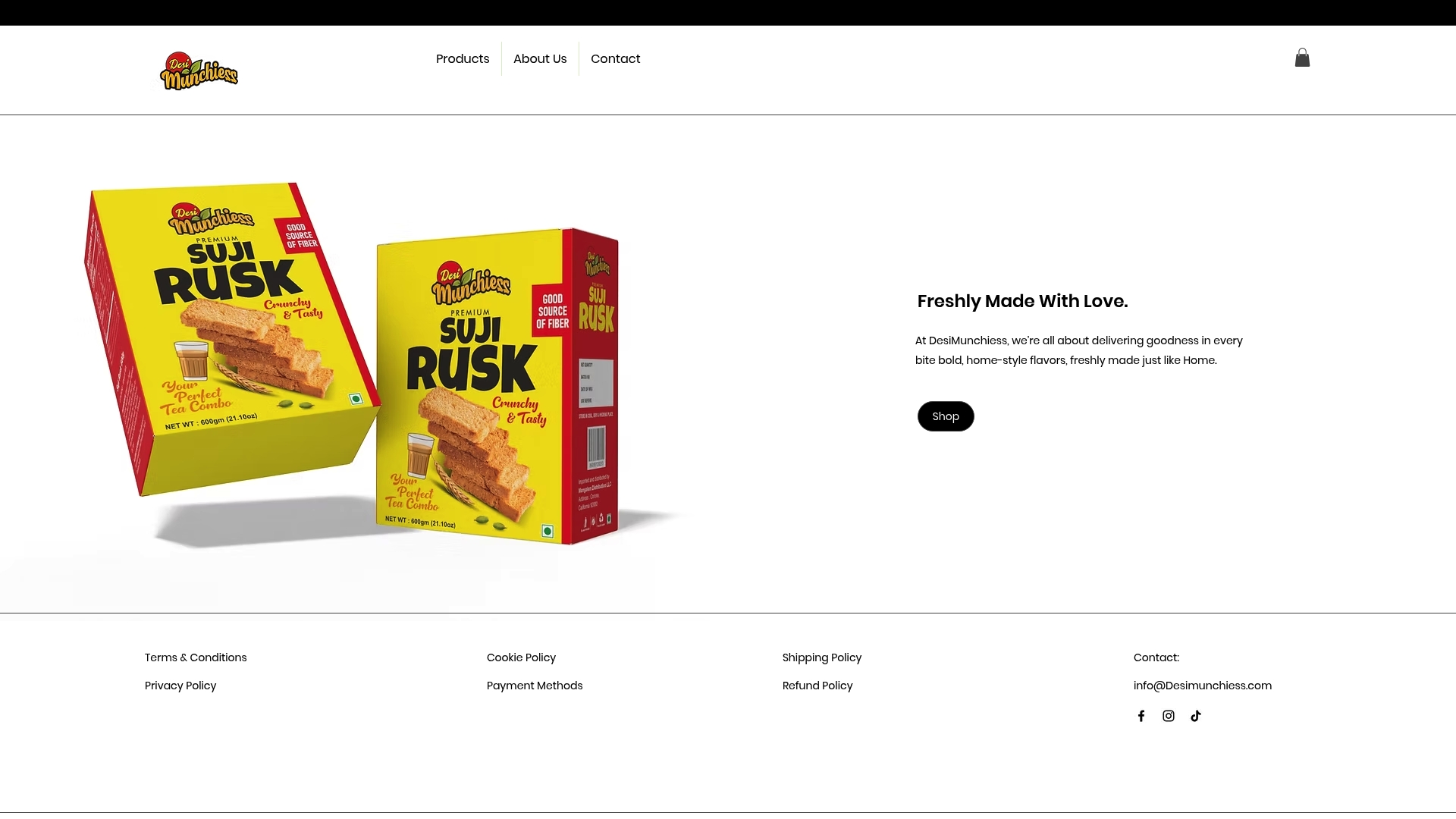
Browsing the full product category is the easiest way to see what’s currently in stock, including sweets alongside biscuits, candy, and roasted chana. When you’re checking for gluten-free options, look at the ingredient list on each product page the same way you would in a store, since not every item in the lineup (like atta-based biscuits) fits a gluten-free diet.
What to check | Where it shows up |
Ingredient list | Each product page on the shop |
Gluten-containing items to skip | Wheat or atta-based biscuits |
Freshness | Small-batch, direct-to-consumer shipping |
Ready to taste the difference a small batch makes? Shop the full collection and see what’s fresh this week.
Sources
For deeper reading: the FDA’s gluten-free labeling guidance, the Celiac Disease Foundation’s cross-contact advisory, and a detailed besan roasting technique guide. For a family-focused take on reading candy labels, see this gluten-free candy guide.
FAQ
Which Indian dessert is gluten-free?
Many are, including besan ladoo, kaju katli, coconut barfi, chikki, and til or gud ladoo, since none rely on wheat flour. Always check for added fillers or coatings in packaged versions, since those can introduce wheat.
Is gulab jamun gluten-free?
Traditional gulab jamun is usually not gluten-free, since the dough is commonly made with maida or a khoya mix that includes wheat flour. Some modern recipes swap in gluten-free flour blends, but that’s the exception rather than the rule.
What are some examples of gluten-free Indian snacks?
Roasted chana, chikki, and besan-based sweets are common naturally gluten-free options. Coconut barfi and kaju katli also fit, as long as no wheat-based binder or coating is added.
What Indian meals are gluten-free?
Dishes built on rice, lentils, and vegetables, like dal, plain rice, and many curries, are typically gluten-free on their own. The risk usually comes from accompaniments like naan or wheat-based rotis served alongside the meal, so check what’s on the plate rather than assuming the whole meal is safe.
Recommended
Comments