
20 Healthy Indian Snacks for U.S. Lunchboxes and Office Desks


The best healthy Indian snacks come from roasted chana and makhana, steamed dhokla and idli, baked tikkis, and whole-grain bites. The one rule that matters more than any single recipe: pair a fiber source (a whole grain or legume) with protein or healthy fat, so you stay full instead of crashing an hour later. For kids, keep snacks around 100 to 200 calories with at least two food groups, aim for 3 grams of fiber or more, and cap added sugar at 5 grams.
TL;DR:
Roasted chana, makhana, and legume bites pair fiber-rich grains with protein or healthy fats, ensuring fullness and steady energy.
Swapping refined flours for whole grains and baking instead of frying significantly reduces added sugar and unhealthy fats in snacks.
Proper drying, roasting in single layers, and storing airtight at room temperature keep homemade snacks crunchy for up to a week.
Regional Indian techniques like steaming and fermentation naturally create healthier snacks without modern health hacks.
Ready-made small-batch options like desi munchies products offer convenient, flavorful alternatives that mimic homemade quality.
Table of Contents
20 Healthy Indian Snack Ideas by Category
Some of these you’ll make from scratch on a Sunday afternoon. Others you’ll grab from a jar you filled last week. Both count.
Roasted snacks (shelf-stable, protein-rich):
Roasted chana (chickpeas) with chaat masala
Roasted makhana (fox nuts) with turmeric and black pepper
Roasted peanuts with curry leaves
Baked chivda (spiced flattened rice mix)
Roasted soy nuts with chili powder
Steamed and baked options (light, gut-friendly): 6. Dhokla (steamed gram-flour cake) 7. Idli with sambar or coconut chutney 8. Baked samosas using whole-wheat pastry 9. Steamed dhokla sandwiches for kids’ lunchboxes 10. Baked paneer or tofu tikka skewers
Legume and whole-grain bites: 11. Moong dal chilla (savory lentil pancake) 12. Bafauri (steamed lentil dumplings, pan-crisped) 13. Millet or ragi tikkis with a yogurt binder 14. Whole-wheat vegetable cutlets, baked not fried 15. Sprouted moong salad with lemon and chaat masala
Low-carb and chaat-style picks: 16. Paneer tikka with mint chutney 17. Cucumber and carrot raita with roasted cumin 18. Cauliflower tikki (grated, spiced, pan-seared) 19. Kachumber salad (cucumber, tomato, onion, lemon) 20. Roasted chana chaat with tomato, onion, and tamarind water
For kids, cut everything into bite-size pieces and pack dips in a separate small container so nothing gets soggy by lunchtime. A thermos keeps steamed dhokla or idli warm until noon; a simple insulated pouch keeps roasted chana crisp. For office desks, the roasted category wins on pure convenience. Roasted chana, makhana, and chivda travel for days without refrigeration, and our guide on roasting Indian snacks at home walks through timing if you want that fresh-batch crunch yourself. If you’re building a desk drawer stash specifically for remote workdays, our work-from-home snack roundup has more combinations worth trying.
Simple Swaps That Make Any Indian Snack Healthier
You don’t need a new recipe. You need three or four small changes to the one you already make.
Swap refined flour for whole-wheat, millet, or oats. These add fiber and slow down digestion, which means steadier energy instead of a quick spike and crash.
Add besan (gram flour) or lentil flour to batters and doughs. Both bump up protein without changing the flavor much at all.
Bake, air-fry, or dry-roast instead of deep-frying. The texture difference is smaller than you’d think once you get the technique right, and our baked versus fried comparison breaks down exactly where each method wins.
Roast in a single layer. Crowding the pan traps steam, and steam is the enemy of crunch. For crunchy roasted chickpeas, spreading them out and removing excess moisture first makes the real difference.
Cap added sugar at 5 grams per serving, and check labels for sugar’s other names, like maltose, dextrose, and corn syrup solids.
Serve with a protein dip. Yogurt chutney or a mashed chana dip turns a carb-heavy snack into a balanced one.
Pro Tip: Pat your legumes or makhana completely dry before roasting. Even a little surface moisture steams instead of crisps, and that’s the single most common reason home-roasted snacks turn out chewy instead of crunchy.
Three 30-Minute Recipes You Can Make Tonight
Pick one, make a double batch, and you’ve got snacks covered for the next five days.
Spiced roasted chana. Toss drained, dried chickpeas with a teaspoon of oil, cumin, chaat masala, and a pinch of salt. Roast at 400°F for 25 to 30 minutes, shaking the pan halfway through.
Crunchy makhana with spice mix. Dry roast makhana in a single layer over medium heat for 8 to 10 minutes, stirring constantly, then toss with melted ghee, turmeric, and black pepper off the heat.
Moong dal chilla. Blend soaked split moong dal with ginger, green chili, and a pinch of turmeric into a thick batter. Ladle onto a hot, lightly oiled pan and cook 2 to 3 minutes per side.
Let everything cool completely on a rack before you store it. Warm snacks sealed into a container trap moisture and go soft or moldy faster than you’d expect. Roasted chana and makhana keep well in an airtight glass jar at room temperature for about a week. Chillas and anything with dal or vegetables belong in the fridge, good for three to four days, and reheat best in a dry pan rather than a microwave, which turns crisp edges rubbery.
How Much Snack Is Enough? Portion and Nutrition Basics
For kids, aim for 100 to 200 calories per snack with at least two food groups represented, like a whole grain plus a protein or healthy fat. Snacks can make up as much as a quarter of a child’s daily calories, so what fills that slot matters more than most parents assume.
For adults, 150 to 300 calories works for most snack windows, and pairing fiber with protein is what actually keeps blood sugar steadier instead of spiking and dropping. When you’re scanning a label, check that a whole grain or legume is listed first, skip anything with partially hydrogenated oil, and don’t let a “healthy” claim on the front of the package distract you from what’s actually in the ingredient list.
One easy swap: trade a handful of fried chips for the same handful of roasted chana. Same crunch, same portion size, a fraction of the oil.
Why Homemade-Style Snacking Still Wins
Some snack brands start from the same kitchen instinct behind every recipe on this list: real ingredients, small batches, nothing rushed. Certain roasted chana and snack packs follow that same handcrafted approach, spiced and roasted the way you’d do it at home if you had the time every single day. If you want more ideas for pairing protein with your everyday snacking, our high-protein Indian snack guide is worth a look.
What’s Actually in Your Favorite Snacks
Chickpeas carry roughly 6 grams of protein and 6 grams of fiber per half-cup cooked, which is exactly why roasted chana keeps you full longer than a handful of chips. That fiber and protein combination slows digestion, and pairing the two is one of the more reliable ways to avoid a mid-afternoon energy crash.
Peanuts bring healthy monounsaturated fat along with protein, which is why a small handful tossed into chivda or sprinkled over chaat adds staying power without adding much bulk. They’re calorie-dense, though, so portion still matters more than most people assume.
Turmeric, cumin, and black pepper do more than flavor a dish. Black pepper contains piperine, which some research suggests may help the body absorb curcumin, turmeric’s main active compound, more efficiently. Cumin has a long history in traditional digestive remedies across South Asian cooking, and its earthy flavor is strong enough that you rarely need much added salt to make a snack taste finished.
Moong dal and other lentils used in chillas and bafauri are lighter on the stomach than chickpeas, lower in fat, and still deliver a real protein hit, which makes them a smart choice for an evening snack when you want something satisfying but not heavy.
Whole grains, whether it’s ragi, millet, or whole wheat in a tikki, add fiber that refined flour simply doesn’t have, and that fiber is a big part of why whole-grain snacks keep you fuller for longer than their refined counterparts.
How Healthy Snacking Looks Different Across India
Snacking habits shift dramatically depending on where in India a recipe comes from, and that regional variety is part of what makes Indian snacking so adaptable to a health-conscious kitchen. In Gujarat, steaming dominates: dhokla, khandvi, and handvo all rely on fermentation and steam heat instead of oil, which is why Gujarati snacking traditions translate so easily into “healthy” without much modification at all.

South Indian snacking leans on rice and lentil batters, fermented and steamed into idli, or ground into dosa batter cooked with minimal oil on a hot griddle. The fermentation process itself may improve nutrient availability in the batter, and the result is a snack that’s naturally lower in fat than most northern fried counterparts.
North Indian snacking traditions, particularly Punjabi ones, tend to favor deep-fried classics like samosas and pakoras, which is exactly where the baking and air-frying swaps mentioned earlier make the biggest difference without abandoning the flavor profile people grew up with.
Maharashtra and coastal regions bring peanuts, coconut, and puffed rice into the mix, seen in dishes like bhel and chana chaat, both of which are naturally light and easy to make lower in oil since they’re assembled rather than fried.
Wherever the recipe originates, the healthiest version usually already exists somewhere in that region’s own tradition. Steaming, roasting, and fermenting aren’t modern health hacks. They’re just older techniques that fell out of favor when deep frying became the shortcut.
Keeping Snacks Fresh Without Preservatives
Homemade snacks don’t have the shelf life of a bag from the grocery store, and that’s the tradeoff for skipping preservatives. A few habits make a real difference in how long anything stays fresh and safe to eat.
Cool everything completely before sealing it in a container. Trapped heat becomes trapped moisture, and moisture is what invites mold, especially in anything steamed like dhokla or idli. Glass or food-grade steel containers with tight seals outperform plastic bags for dry roasted snacks, since they block humidity better and don’t hold onto oil smells.
Store roasted, dry snacks like chana and makhana at room temperature in an airtight jar, away from direct sunlight, and they’ll hold their crunch for about a week. Anything with dairy, like paneer tikka, or fresh vegetables needs the fridge and should get eaten within three to four days. Freezing works well for batter-based items like chilla batter or samosa filling. Portion it into small containers before freezing so you’re only thawing what you need.
A small silica packet or a few grains of raw rice tucked into a jar of roasted snacks absorbs stray moisture and helps maintain crunch longer, an old trick that still works better than most people expect.
Getting the Spice Balance Right Without Overdoing Salt or Oil
The spices are doing more work than most people give them credit for, and using them well is often the real difference between a snack that tastes bland and “healthy” and one that actually satisfies a craving.
Start with dry-roasting whole spices like cumin seeds or coriander seeds before grinding them. It intensifies flavor without adding a single calorie, which means you can use less salt and still get a snack that tastes complete. Acid is your other free flavor tool: a squeeze of lemon or a splash of tamarind water brightens a dish enough that you’ll reach for the salt shaker less often.

Chaat masala is genuinely useful here because it’s built around tangy and savory notes (amchur, black salt, cumin) rather than pure saltiness, so a light dusting delivers big flavor at a fraction of the sodium a plain salt shake would add. Fresh herbs like cilantro and mint, plus fresh chilies instead of chili oil, add heat and brightness without the extra fat that oil-based condiments carry.
The goal isn’t bland food dressed up as “healthy.” It’s using spice the way Indian cooking always has, as the main flavor driver, so oil and salt can take a back seat instead of doing all the work.
What to Drink or Dip Alongside Your Snacks
The right pairing can turn a good snack into a genuinely satisfying one, and a few classics show up again and again across Indian households for good reason.
Buttermilk (chaas), spiced with roasted cumin and a little black salt, is light, cooling, and pairs especially well with fried or spicier snacks since it helps balance heat. Masala chai, brewed light with less sugar than the standard recipe, works with roasted snacks like chivda or makhana without piling on extra calories. Coconut chutney and mint chutney both bring freshness to steamed snacks like idli and dhokla, and neither requires much oil to make well.

For a heavier, protein-forward dip, a mashed chana or chickpea-based dip, seasoned with garlic and lemon, works the same way hummus does in Mediterranean cooking, and it turns a simple platter of roasted vegetables or whole-wheat crackers into something that actually holds you over. If you’re looking to build out more seed-and-legume-based dip ideas, Wild Foodz has some solid seed-based combinations worth borrowing for a chutney or dip base.
Plain yogurt raita, cooled and lightly spiced with roasted cumin, rounds out almost any snack plate and adds a protein boost that dry snacks alone don’t offer.
What I’d Tell a Friend Standing in Their Kitchen Right Now
Most advice on healthy Indian snacking gets one thing backwards: it treats “healthy” as a separate category you have to build from scratch, when the healthiest versions of these snacks are usually the older, simpler ones. Dhokla was steamed before steaming was a wellness trend. Roasted chana was a street snack before anyone called it “protein-forward.”
Where I think most guides fall short is portion honesty. Nobody wants to hear that a fistful of chivda can run past 300 calories, so they skip the number entirely. The Harvard guardrails in this piece exist precisely because vague advice like “snack in moderation” doesn’t help a parent packing a lunchbox at 7 a.m.
If you take one thing from this, take the pairing rule: fiber plus protein, every single time. Skip the deep fryer when you can, but don’t skip flavor to do it. Spice is free. Oil is not the enemy, excess is. And batch prep on a Sunday will save you more willpower during the week than any single “healthy” recipe ever will.
— Shivam
Ready-Made Homemade-Style Snacks From Desimunchiess
Some weeks you don’t have 30 minutes to roast a batch of chana, and that’s exactly the gap certain snack providers fill. Some products are handcrafted in small batches using traditional recipes, so you get similar roasted, spiced flavor, minus the dishes.
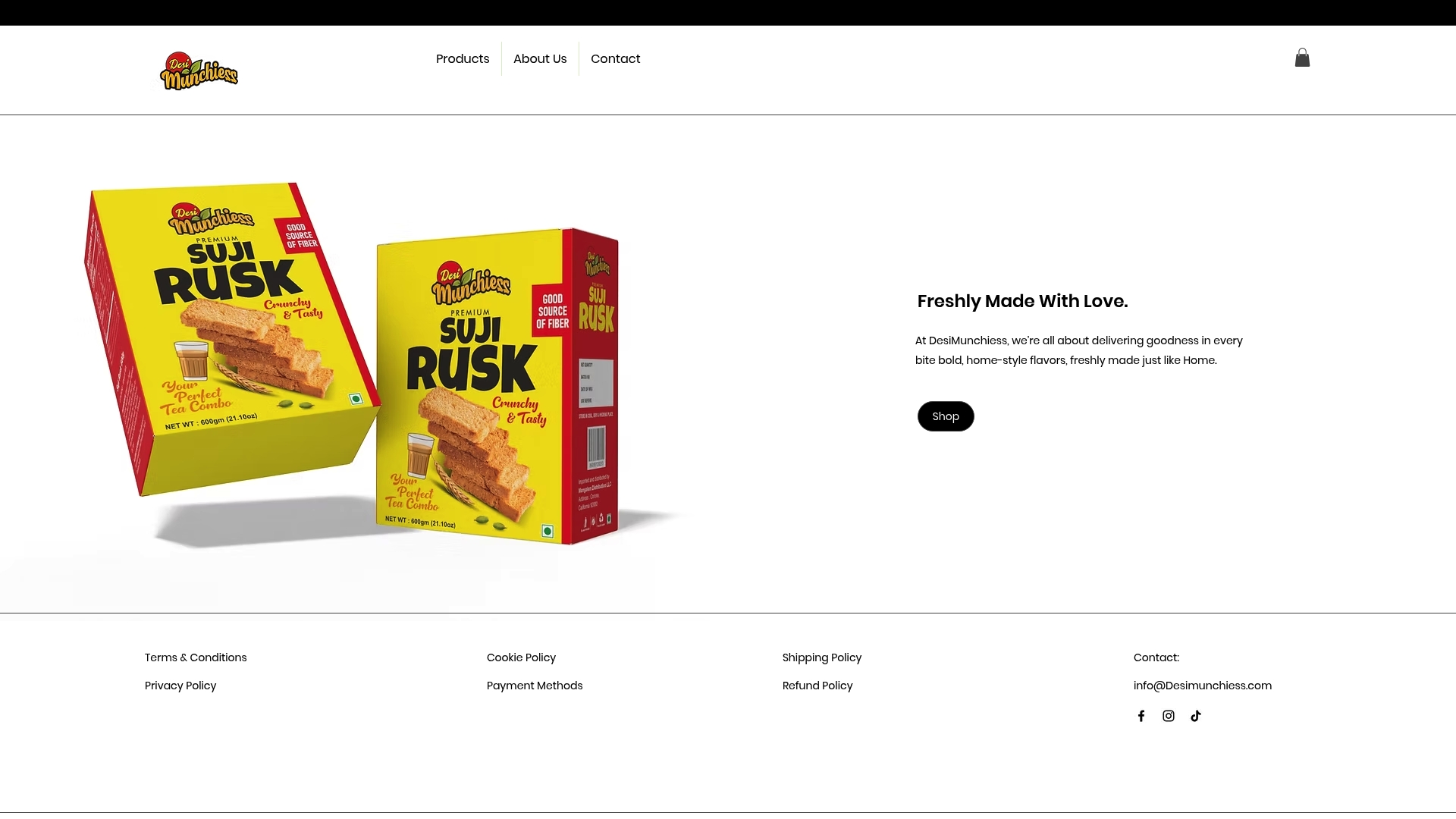
Our roasted chana is the closest thing to homemade you’ll find on a shelf, protein-forward, shelf-stable, and ready straight out of the bag for a kid’s lunchbox or a desk drawer. If you want something whole-grain for tiffins, the atta biscuits are built around that same whole-wheat base this article keeps circling back to. And if pickles or muraba round out your snack plate the way they do in most Indian households, our mixed pickle adds that tangy, spiced kick without any shortcuts on ingredients. Browse the full snack and pickle lineup and stock your kitchen with the same bold, handcrafted flavor this whole list has been chasing.
Where This Guide’s Nutrition Guidance Comes From
Sources
FAQ
What Are the Healthiest Indian Snacks to Keep on Hand?
Roasted chana, roasted makhana, dhokla, and moong dal chill atop most lists because they combine fiber and protein instead of relying on refined flour and oil. These also happen to be the snacks Indian households have made for generations, long before “healthy” became a marketing word.
Which Indian Snack Has the Fewest Calories?
Plain roasted chana or a cucumber-based kachumber salad typically run lowest, often landing well under 150 calories per serving depending on portion size and how much oil or ghee gets added. Steamed options like plain idli without heavy chutney also stay light.
What Are Some Low-Carb Indian Snack Options?
Paneer tikka, cauliflower tikki, cucumber raita, and roasted peanuts all skip the grain-heavy base that most Indian snacks lean on. Pairing any of these with a protein dip keeps them satisfying without leaning on carbohydrates for bulk.
Are These Snacks Safe During Pregnancy?
Most of the roasted, steamed, and legume-based snacks on this list, like roasted chana, dhokla, and moong dal chilla, are generally considered safe, gentle choices during pregnancy because they’re whole-food based and easy on digestion. Anyone with specific dietary restrictions or food sensitivities during pregnancy should still confirm individual ingredients with their doctor.
Does Desimunchiess Sell Ready-Made Healthy Snacks?
Yes. Desimunchiess sells roasted chana, atta biscuits, and other traditional snack categories made in small batches with authentic recipes. Current prices and full product details are listed on the Desimunchiess product page.
Recommended
Comments