
Find Authentic Indian Biscuit Types in the U.S.: Look for Ghee
- DesiMunchiess

- 28 minutes ago
- 8 min read
Indian biscuit types are tea-focused snacks that range from dunkable glucose biscuits to buttery shortbread. Nankhatai, jeera biscuit, and Osmania biscuit anchor the traditional category, while khara diamonds, atta biscuits, and rusks cover the savory and whole-wheat side. At Desimunchiess, we see these biscuits as one thing above all: an excuse to sit down with a hot cup of chai and slow down for a short tea break.
TL;DR:
Indian biscuits are typically made with ghee, gram flour, or semolina to achieve authentic textures, with hydrogenated fats often replacing ghee in mass-produced varieties.
Variations like nankhatai, Osmania, jeera, and khara biscuits each have distinct ingredients and textures suited for specific tea-time moments or regional preferences.
The best way to identify genuine, traditional biscuits is to check for ghee as a main ingredient and avoid hydrogenated fats; freshness and proper storage are also key.
Whole wheat atta biscuits and besan-based khasta types offer nutritional benefits like more fiber and protein, especially when avoiding excessive sugar or saturated fats.
Handmade, small-batch biscuits made with authentic ingredients better replicate traditional textures and flavors compared to mass-produced, shelf-stable options.
Table of Contents
What Makes Indian Biscuits Different From Western Cookies
Western cookies chase big, bold sweetness. Indian biscuits chase balance. They’re built to sit next to a strong cup of masala chai without fighting it, which is why so many traditional recipes lean on subtle sweetness, warm spice, and restrained fat instead of sugar-forward richness.
Texture tells you a lot about how a biscuit is meant to be eaten. Crisp, dry biscuits like jeera or plain glucose types exist to be dunked, softening just enough in hot tea before they fall apart in your mouth. Khasta biscuits, nankhatai chief among them, go the opposite direction: short, sandy, and crumbly, they practically dissolve on the tongue without needing a dunk at all. Bakery-soft biscuits, like Osmania, sit somewhere in the middle. Flavor follows a similar logic. Sweet biscuits often carry cardamom, saffron, or nutmeg in small amounts. Savory “khara” biscuits swap that for cumin, carom seed, or black pepper, and they’re just as common at tea time as their sweet cousins.
Fat and flour choices decide almost everything about final texture:
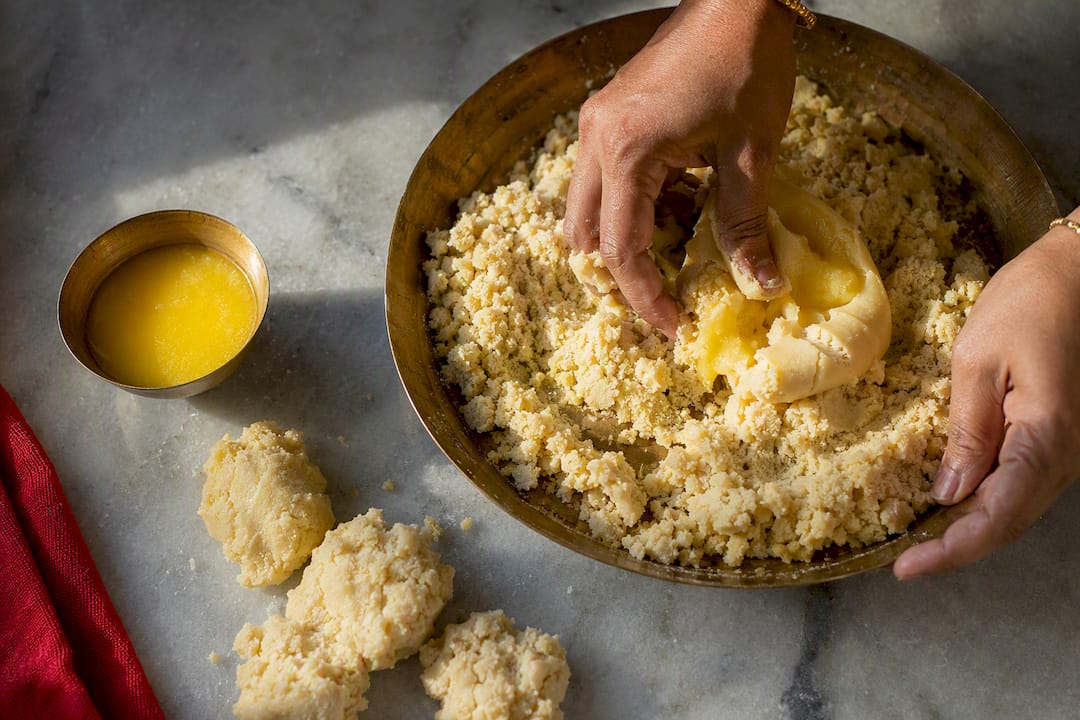
Ghee produces the short, sandy crumb prized in nankhatai and other khasta-style biscuits.
Butter creates a smoother, denser bite, closer to a Western shortbread.
Maida (refined flour) gives a fine, tender structure common in bakery biscuits.
Atta (whole wheat) adds heartiness and a nuttier flavor, better suited to dunking.
Besan or sooji (gram flour or semolina) add the gritty, melt-in-the-mouth quality that defines a proper khasta bite.
Pro Tip: If you want that “melt in your mouth” nankhatai texture, look for biscuits made with ghee and gram flour or semolina rather than butter and all-purpose flour alone. The label usually tells you which route the baker took.
Traditional and Popular Indian Biscuit Types, Profiled
Each region of India has its own signature biscuit, shaped by local ingredients and local tea habits. Here’s how the major types stack up.
Nankhatai. This eggless shortbread is the most recognized name in the category, and for good reason. Traditional recipes lean on ghee, gram flour, or semolina to build that signature sandy crumb, often finished with cardamom or a scatter of chopped pistachio. Its roots trace back to Parsi and Gujarati bakeries, and it remains a staple pairing with afternoon chai across the country.
Osmania biscuit. Soft, slightly sweet, and faintly salty all at once, the Osmania biscuit carries a buttery richness with a whisper of saffron or milk. It emerged from Hyderabad’s Nizam-era bakery culture, and Hyderabadi tea stalls still serve it as a near-mandatory pairing with Irani chai. Desimunchiess carries an Osmania-style cookie built on that same soft, buttery profile.
Jeera (zeera) biscuit. A bakery staple across North India, this one leans savory-sweet, built around roasted cumin folded into a slightly sugared dough. Regional versions swap in caraway instead of cumin, a variation especially common in Surat.
Khara or diamond biscuit. Savory, crisp, and often cut into small diamond shapes before frying or baking, khara biscuits carry black pepper, carom seed, or chili instead of sugar. They pair especially well with a strong, unsweetened cup of tea or coffee.
Atta biscuits and rusks. Made with whole wheat rather than refined flour, these lean into a hearty, slightly nutty flavor built for dunking. Rusks go a step further, baked twice for extra crunch and a long shelf life, which made them a go-to for travel and monsoon-season tea breaks long before packaged snacks took over that role.
Glucose, cream, and jam biscuits. These are the mass-market side of the category: light, mildly sweet dunkers built for everyday snacking rather than ceremony. Parle-G is the best-known name here, a glucose biscuit that’s become something close to a household fixture. Cream-filled and jam-centered versions add flavor variety but stay firmly in the “packaged snack” lane rather than the artisanal one.
How Authentic Texture Gets Made, and How to Spot It
Ghee is the difference maker in a real nankhatai. It melts at a lower temperature than butter and carries less water, which is exactly why it produces that short, sandy crumb instead of a dense, chewy one. Swap in butter, and you get a heavier, richer cookie that’s still good, just not quite the same thing. Recipe guides note this substitution works in a pinch, but it changes both texture and aroma.
Flour choice matters just as much. Semolina (sooji) adds a fine grit that keeps the crumb from turning gummy, while gram flour (besan) contributes both structure and that faint nutty flavor khasta biscuits are known for. Practitioners consistently point to creaming technique and rest time as the two levers that separate a forgettable batch from a genuinely good one. Rush the dough, and the texture pays for it.
A few markers help you judge freshness and authenticity before you buy:
Check the ingredient list first: ghee near the top is a good sign, hydrogenated vegetable fat is a shortcut.
Look for a recent manufacture date rather than relying on the expiry date alone.
Bakery-made biscuits usually beat packaged ones for texture but lose that edge within days without proper storage.
Store any nankhatai-style biscuit in an airtight container; humidity is its enemy.
Mass-produced versions often substitute hydrogenated fats for ghee, which shifts both mouthfeel and aroma even when the recipe otherwise looks traditional. For everyday snacking, packaged biscuits make sense. For a gift box or a nostalgic craving, bakery-made or small-batch versions are worth seeking out.
Nutrition and Dietary Considerations Worth Knowing
Indian biscuits generally sit in a lighter nutritional lane than many Western cookies, mostly because they’re built for repeated small servings with tea rather than one large dessert portion. That doesn’t make them a health food. Ghee-based khasta biscuits like nankhatai carry meaningful saturated fat, and sugar levels vary widely depending on whether a biscuit is meant to be sweet or savory.
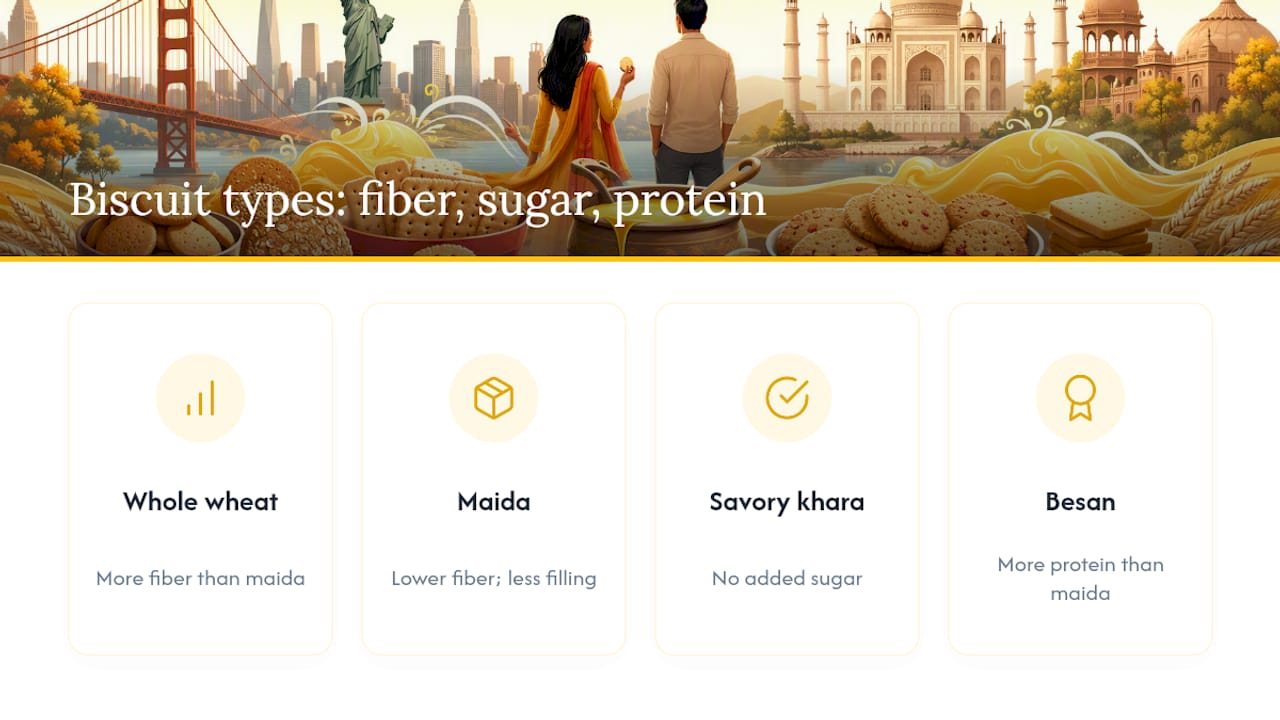
A few practical points matter for anyone watching intake. Whole-wheat atta biscuits generally offer more fiber than maida-based versions, which can matter if you’re managing blood sugar or just want a biscuit that keeps you fuller longer. Savory khara biscuits skip added sugar entirely, making them a reasonable choice for anyone cutting back on sweets without giving up the tea-time ritual altogether. Gram flour (besan) based biscuits also tend to carry a bit more protein than plain maida versions, a small but real nutritional edge.
Portion size is where most people go wrong. A single nankhatai or Osmania biscuit isn’t a problem on its own; a full plate alongside three cups of chai adds up fast, especially with ghee-heavy recipes. If you’re checking labels, look past “eggless” or “traditional” marketing language and go straight to the fat and sugar lines, since those two numbers tell you more about a biscuit’s place in your diet than any front-of-package claim.
From Bakery Counters to Supermarket Shelves
Industrialization changed how most people in India, and increasingly the diaspora abroad, encounter these biscuits. What used to require a trip to a specific bakery in Hyderabad or a home kitchen with a family recipe now shows up shrink-wrapped on a grocery shelf, often thousands of miles from where the biscuit originated.
That shift cuts two ways. Packaged glucose and cream biscuits made mass production possible, putting a biscuit like Parle-G into nearly every corner store in the country and turning it into one of the most recognized snack brands in the world. Standardized production also means consistency and long shelf life, which matters if you’re stocking a pantry rather than baking fresh weekly.
The tradeoff shows up in texture and ingredient quality. Mass manufacturing tends to favor hydrogenated fats over ghee, longer shelf stability over fresh crumb, and standardized flavor over regional variation. A jeera biscuit made in a Surat home kitchen and one made on an industrial line share a name but not much else in terms of mouthfeel. Globalization has also pushed regional biscuits like Osmania out of Hyderabad and into wider circulation online, which is good news for anyone outside India craving something more specific than what’s sitting on a supermarket shelf. Small-batch and handcrafted producers have become the counterweight to industrial standardization, preserving the textures that got flattened out along the way.
When and How Indian Biscuits Actually Get Eaten
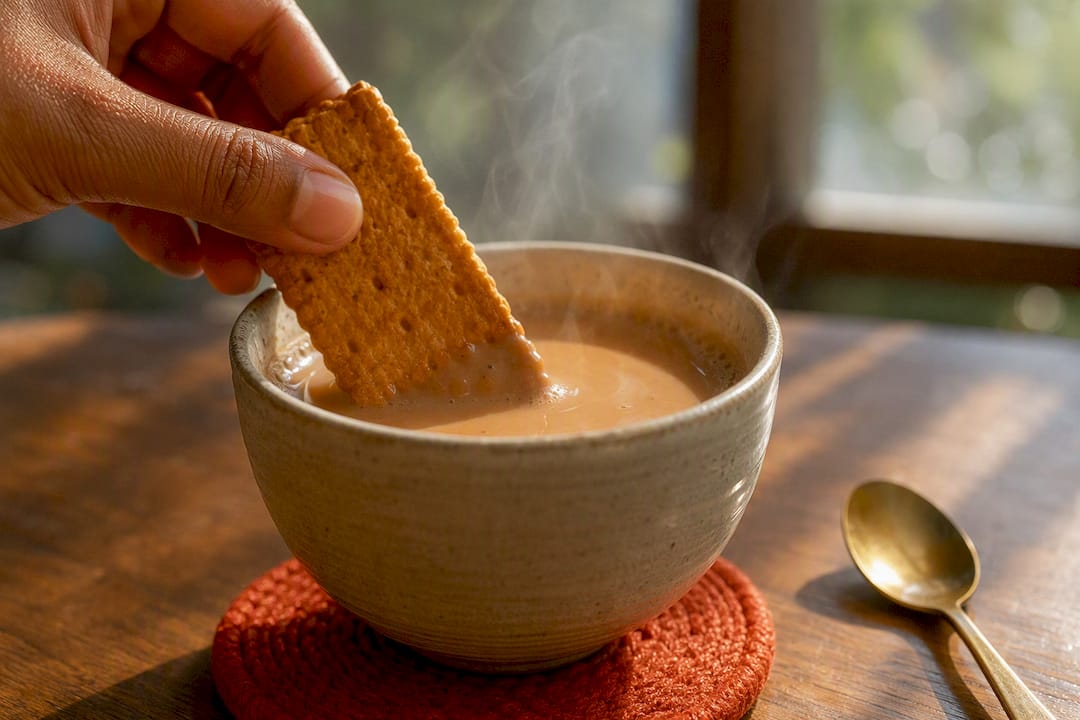
Almost every Indian biscuit tradition centers on one ritual: tea-time. Morning chai, afternoon chai, evening chai, each one usually comes with a biscuit close by, and the type often depends on the time of day and the company.
Breakfast tends to favor sturdier options: rusks or atta biscuits that hold up to a full dunk without dissolving into mush, giving you something closer to a light meal alongside your tea. Afternoon breaks lean toward nankhatai or Osmania biscuits, unhurried snacks meant for a slower cup shared with family or coworkers. Evening tea, especially when guests are around, is where the variety comes out. Mixed plates with both sweet and khara biscuits let everyone pick their preference rather than committing the host to one flavor profile.
Cold drinks and biscuits show up together less often in India than tea does, but the pairing has grown outside the subcontinent, particularly with cream-filled or jam biscuits eaten as a quick snack rather than a ritual one. Jeera and khara varieties also pair well with coffee for readers who lean that direction; if you’re curious about brewing methods that complement a spiced biscuit, Adira Coffee’s recipe blog covers that ground well. However you serve them, the biscuit rarely stands alone. It’s built to be a supporting player to whatever’s in the cup.
Why We Still Bake Nankhatai the Slow Way
Most commercial bakeries switched to butter and hydrogenated fats years ago because they’re cheaper and last longer on a shelf. We didn’t make that trade. Desimunchiess uses ghee, atta, and besan the way our recipes call for, because that’s what actually produces the khasta crumb and the melt-in-the-mouth bite people remember from a grandmother’s kitchen rather than a factory line.
Fresh batches matter more than long shelf life to us. If you want the ingredient details behind our approach, our nankhatai guide walks through the history and a home recipe, and our snack-making techniques piece covers the methods behind the texture.
— Shivam
Ready to Taste the Difference? Order Handcrafted Biscuits Today
Most grocery-shelf biscuits trade ghee for hydrogenated fat and fresh batches for a longer shelf date. Desimunchiess doesn’t make that swap. We bake nankhatai, atta biscuits, and Osmania-style cookies fresh, using ghee, atta, and besan the traditional way, so the crumb actually falls apart the way it’s supposed to.
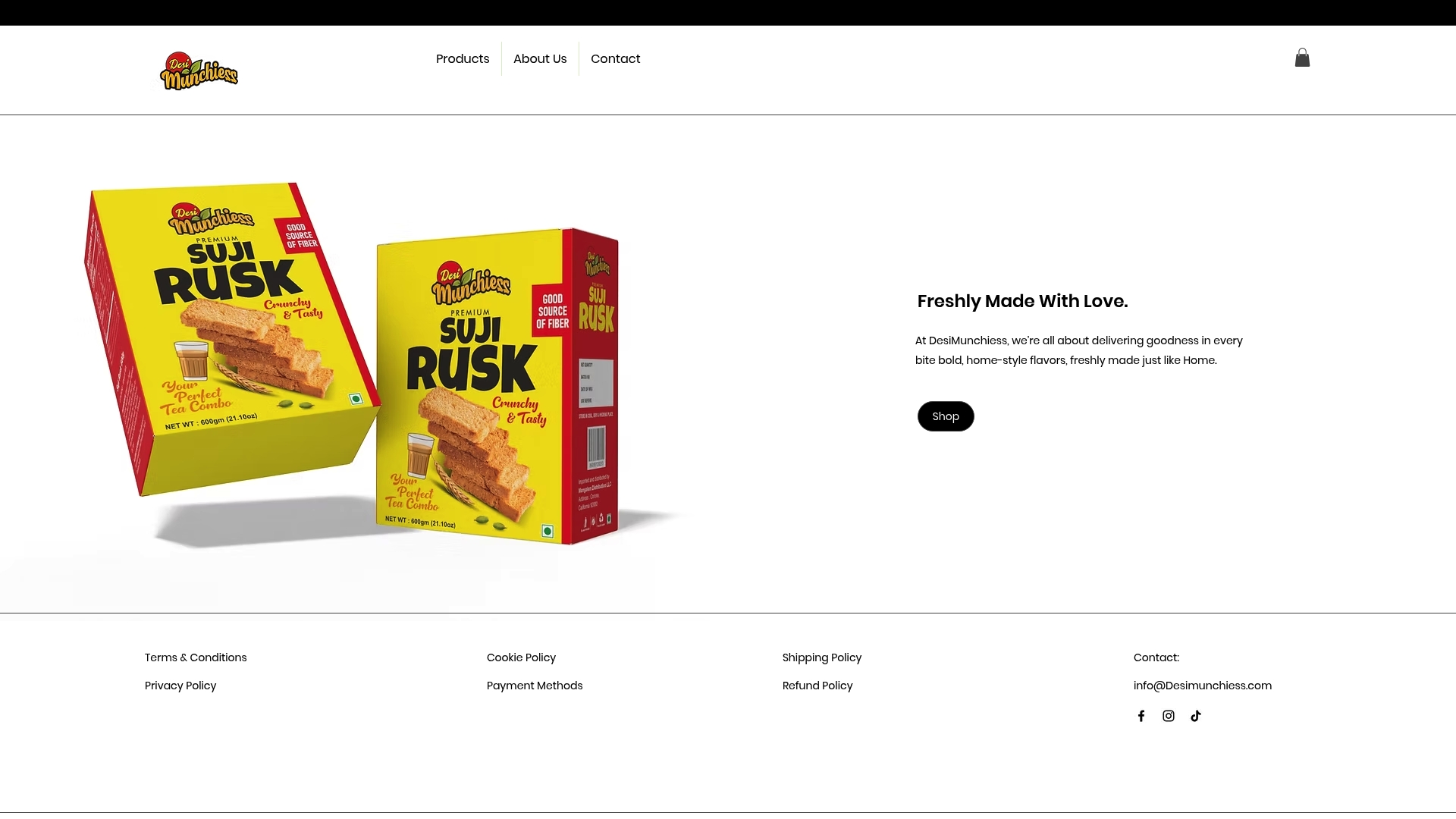
Our lineup covers the range this guide just walked through: buttery Osmania-style cookies, hearty atta biscuits, and other handcrafted snacks made in small batches rather than on an industrial line. If you’re not sure where to start, our guide to ordering fresh Indian snacks online walks through what to expect. Head to Desimunchiess and place your first order. Your next cup of chai deserves a biscuit that was actually made for it.
Sources
Recommended
Comments