
2 Hour Rule: Indian Sweets Shelf Life for U.S. Kitchens


Short answer: dairy and khoya sweets like rasgulla or peda last just 1 to 4 days refrigerated, syrupy sweets like gulab jamun hold for 2 to 5 days chilled, and ghee or nut sweets like kaju katli and dry items like rusk can last days to weeks at room temperature if sealed. Refrigerate anything perishable within 2 hours, or 1 hour if the room is above 90°F. When in doubt, toss it out.
TL;DR:
Dairy and khoya sweets like rasgulla and peda should be refrigerated within 2 hours and consumed within 3 to 5 days for safety and freshness.
Syrupy sweets such as gulab jamun last about 2 to 5 days in the fridge, especially if drained of excess syrup before freezing, which extends shelf life to around a month.
Ghee and nut-based sweets like kaju katli can stay at room temperature for several days to weeks if kept sealed, with refrigeration prolonging their freshness further.
Dry, baked, and candied items like rusk or soan papdi are shelf-stable for weeks or months at room temperature when stored in airtight containers.
Always discard sweets with mold, off smells, or slimy textures, and refrigerate or freeze perishable items promptly to prevent bacterial growth.
Table of Contents
A quick shelf-life cheat sheet for popular sweets
Every sweet behaves differently once it leaves the shop or your kitchen counter, and the ingredient list tells you almost everything about how long it will hold up. Moisture and dairy content drive spoilage speed far more than the sweet’s name does.
Here is a practical breakdown by group:
Dairy and khoya sweets (rasgulla, peda, sandesh): 4 to 6 hours at room temperature, 3 to 5 days refrigerated, and up to a month frozen with a noticeable texture change.
Syrupy sweets (gulab jamun, jalebi, rasmalai): about a day at room temperature, several days refrigerated in their syrup, and around a month frozen if drained first.
Ghee and nut-based sweets (kaju katli, besan ladoo, badam barfi): 1 to 2 weeks at room temperature in an airtight box, 3 to 4 weeks refrigerated, and a few months frozen.
Dry, baked, and candied items (rusk, soan papdi, atta biscuits): can last weeks to months at room temperature when sealed, due to their low moisture content reducing bacterial growth.
Anything with fresh cream, paneer, or khoya filling should be treated as a 24 to 48 hour item unless it has been chilled the whole time. Once you know which group your sweet falls into, the rest of the storage math gets a lot simpler.
The food safety rules behind every storage time
Shelf life for any perishable food, mithai included, comes down to time and temperature. Bacteria multiply fastest between 40°F and 140°F, so the goal is always to get sweets out of that range quickly and keep them out.
Follow these steps every time:
Refrigerate or freeze sweets within 2 hours of cooking or purchase, or within 1 hour if the room is above 90°F, per FDA safe food handling guidance.
Keep your refrigerator at 40°F or below and check it with an appliance thermometer rather than guessing.
Divide large batches into shallow containers so they cool faster and spend less time in the danger zone.
Treat any dairy-based sweet like a cooked leftover and use the same 3 to 4 day refrigerated window before freezing for longer storage.
USDA/FSIS guidance states that refrigerated leftovers are safe for 3 to 4 days, and the same benchmark works well for dairy and khoya sweets since they carry similar moisture and protein levels, according to FSIS leftovers guidance. Cross-contamination matters too: always use a clean spoon or hand when serving from a shared box, since one contaminated scoop can shorten shelf life for the whole batch.
Why milk, syrup, and ghee change everything
The sweet’s name matters less than what is actually in it. Water activity, meaning how much moisture is available for bacteria to use, is the real variable separating a sweet that lasts two days from one that lasts two weeks.
Dairy and khoya sweets like rasgulla and peda carry high moisture and protein, which makes them the fastest to spoil. Keep them refrigerated at 1 to 4 days and know that freezing works but softens their texture.
Syrupy sweets like gulab jamun and jalebi get some protection from sugar syrup, which slows microbial growth, but the sweet itself still holds moisture. Refrigerate and plan to eat them within 2 to 5 days.
Ghee and nut-based sweets like kaju katli and ladoo have low water activity because ghee and nuts do not support bacterial growth the way milk does. These can sit at room temperature for days to weeks in a sealed container, and refrigeration extends that window further.
Dry and baked sweets and candies like rusk and soan papdi are shelf-stable once packaged, with humidity and oil rancidity as the main long-term risks rather than bacteria.
Pro Tip: Check the label or ask the maker whether a sweet was prepared with fresh cream or khoya. That one detail tells you more about shelf life than the sweet’s category ever will.
A small 2025 food-science study on fortified Kachagolla, a dairy-based sweet, found that ingredient fortification and antioxidant approaches extended shelf life by several days under the tested conditions, though results varied by climate and formulation, according to research published in a food science journal. That kind of gain applies to specific formulations, not to every dairy sweet sitting in your fridge.
How to make your sweets last longer without ruining them
Freezing is your best long-term tool, but it works differently depending on what you are freezing. Ghee and nut sweets freeze cleanly. Syrupy sweets do better drained and frozen separately from their syrup, which you can refrigerate on its own and add back after thawing.
Wrap dairy and khoya sweets individually before freezing to prevent freezer burn and ice crystal damage.
Thaw everything in the refrigerator or under cold running water, never on the counter, following FDA safe thawing guidance.
Store dry sweets like soan papdi in airtight containers or vacuum-sealed bags, and add a food-safe desiccant packet if you live somewhere humid.
Keep syrup-based sweets in glass jars with the syrup fully covering the sweet to slow oxidation.
Pro Tip: Never pour fresh syrup over old gulab jamun to “refresh” it. That masks the smell of spoilage without fixing the underlying problem.
Avoid repeated temperature swings, meaning taking a container in and out of the fridge multiple times a day. Each cycle adds moisture and shortens shelf life no matter how careful you are otherwise.
When to toss a sweet, no matter how good it looks
Some spoilage signs are obvious and some are not, so a simple time-based rule works better than trusting your nose alone.
Mold, a sour or off smell, frothy syrup, or a slimy texture are immediate discard signals regardless of how long the sweet has been stored.
A sweet left unrefrigerated for more than 2 hours (or 1 hour above 90°F) should be discarded even if it looks and smells fine.
Refrigerated dairy or syrupy sweets past 4 days should go, following the same conservative window FSIS applies to leftovers.
Any sweet with visible mold gets thrown out entirely, not just the moldy piece.
When in doubt, throw it out. That guidance comes directly from FDA food safety materials, and it applies just as well to a box of peda as it does to last night’s dinner.
What actually determines how long mithai stays good

The biggest mistake people make is judging shelf life by a sweet’s name instead of its ingredients. Two sweets that look similar can have completely different safe storage windows depending on whether they contain fresh dairy or just ghee and sugar.
Small-batch production means fewer handling steps and faster cooling than sweets made in high-volume batches, which supports freshness from the moment they are packed. That approach comes from years of making snacks the way they are meant to be made: fresh, simple, and handled with care.
— Shivam
Timing your sweet purchases and gifts right
Buy dairy-rich sweets like rasgulla or peda as close to the day you plan to eat them as possible. For gifting or shipping, lean on ghee-based or dry sweets like kaju katli, ladoo, or rusk, since they travel and wait far better.
If you are shipping sweets, insulated packaging and clear labeling matter. Always include a simple note on how long the sweet keeps and whether it needs refrigeration once it arrives, especially for sweets shipped across the country for Diwali.

Freshly made sweets without the guesswork
We make our sweets in small batches, the same way you would at home, which means less time between the kitchen and your doorstep. That shorter path supports freshness in a way mass production cannot match.
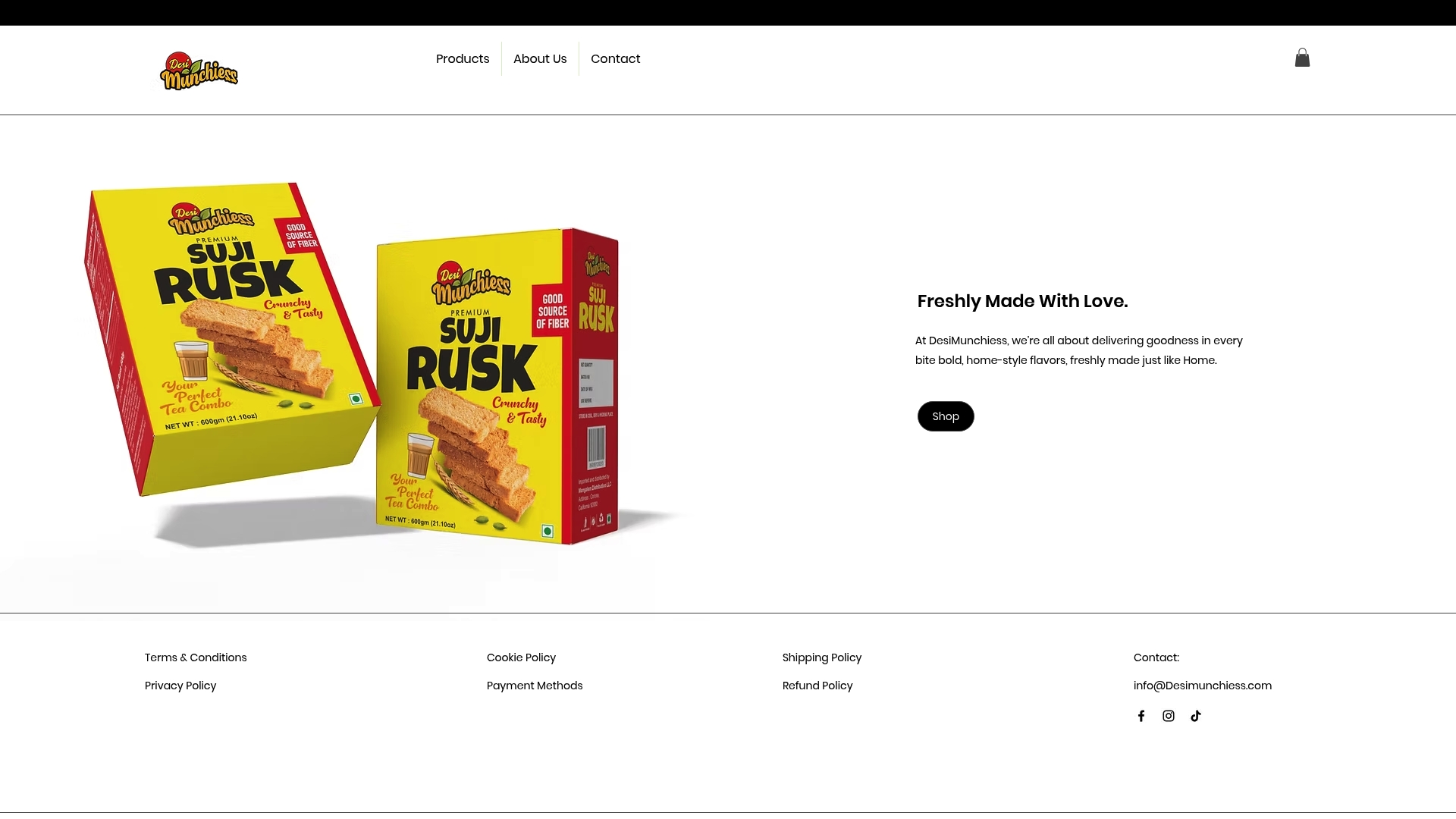
Packaging and shipping choices can be designed to get sweets to you while they are still at their best, though we always recommend following the storage steps above once your order arrives. Whether you are craving freshly made vegan Indian sweets or looking to stock up on ghee-based classics, you can browse our full lineup of sweets and snacks and place an order today.
Where these safety guidelines come from
The storage rules in this guide come from federal food safety sources, including FSIS leftovers guidance and FDA safe food handling guidance. For more on how we approach freshness in our own kitchen, visit our full product catalog.
Sources
FAQ
Which Indian sweet has the longest shelf life?
Dry and ghee-based sweets like soan papdi, rusk, and kaju katli last the longest since their low moisture content keeps bacteria from growing. Kept sealed and dry, these can stay fresh for weeks at room temperature.
How long do Indian sweets stay fresh overall?
It depends entirely on ingredients: dairy-based sweets last just 1 to 4 days refrigerated, syrupy sweets last 2 to 5 days, and ghee or nut sweets can last days to weeks if sealed. Following the FDA’s 2 hour refrigeration rule is the safest starting point for any of them.
What sweet treats last the longest without refrigeration?
Dry, low-moisture sweets and candies, such as rusk, soan papdi, and roasted snacks, hold up well at room temperature because there is little water available for bacteria to use. Ghee-based sweets like kaju katli also do well as long as they stay sealed and dry.
How can I extend the shelf life of kaju katli?
Store kaju katli in an airtight container away from heat and humidity, since moisture and oil exposure are its main enemies rather than bacteria. Refrigerating it extends freshness further, and freezing works for longer storage as long as you thaw it in the refrigerator rather than at room temperature.
Recommended
Comments