
Lesser-Known Indian Snack Types Worth Discovering

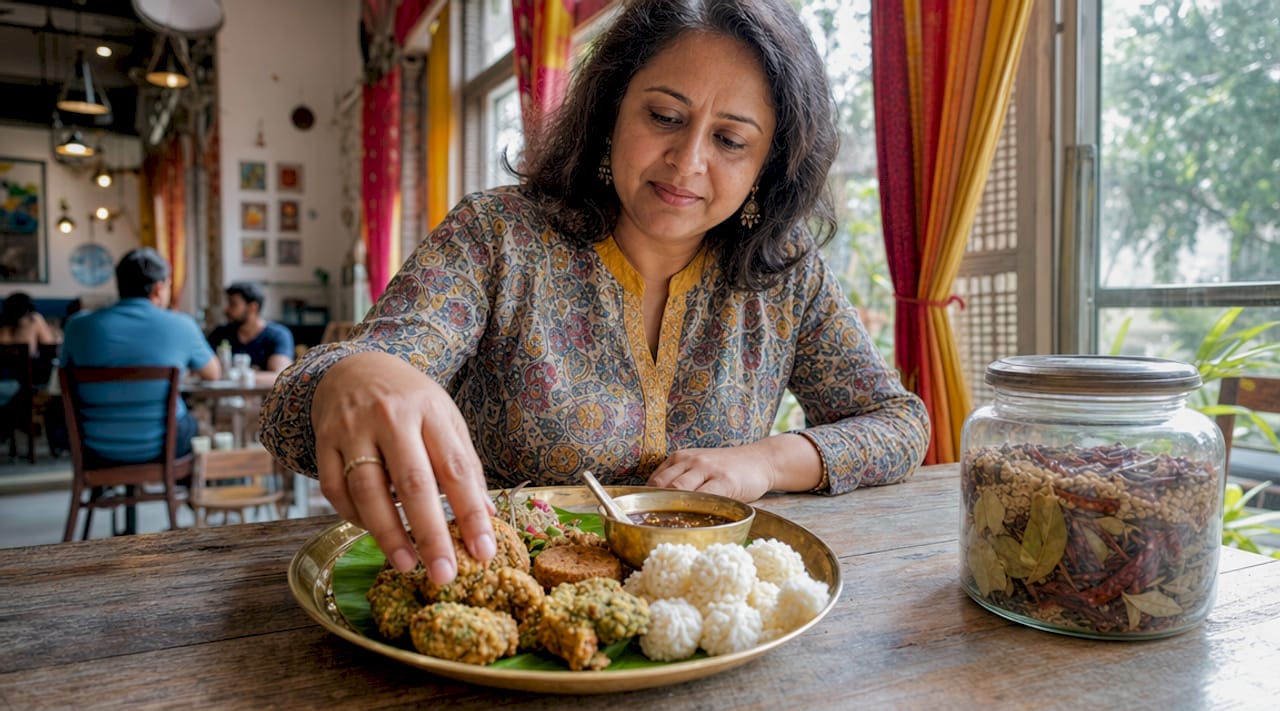
Lesser-known Indian snack types are regional delicacies that exist far beyond the samosa-and-pakora circuit, rooted in local ingredients, indigenous techniques, and centuries of tradition. Most culinary enthusiasts exploring what are lesser known indian snack types for the first time are surprised to find how dramatically a Himalayan leaf fritter differs from a South Indian buttermilk crisp. India’s snack culture spans 28 states, each with its own pantry logic and flavor philosophy. Snacks like Patharchatta fritters, Kora Khai from Odisha, and Majjiga Murukku from Andhra Pradesh represent a category of hard-to-find Indian snack varieties that rarely appear on restaurant menus or mainstream food blogs. This guide covers what they are, how they are made, and where you can actually find them.
What are some rare regional Indian snack varieties?
Rare regional Indian snacks, also called desi munchies in everyday conversation, are defined by hyper-local ingredients that do not travel well commercially. That specificity is exactly what makes them worth seeking out.
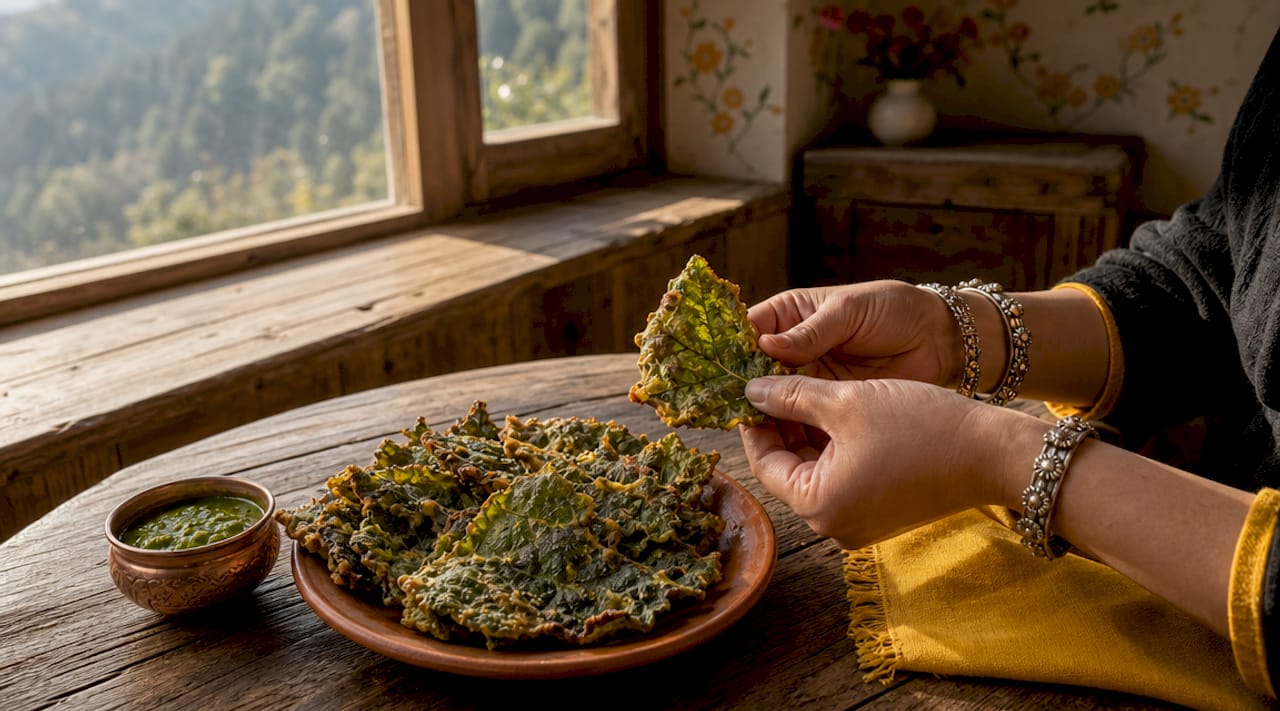
Patharchatta leaf fritters come from the Western Himalayas, where the Patharchatta plant grows wild and is typically dismissed as a weed. Local cooks combine chopped Patharchatta leaves with potatoes, semolina, and spices, then fry the mixture in mustard oil to produce a crispy, nutritious tea-time snack. The result is earthy, slightly bitter, and deeply satisfying. This is indigenous knowledge converted into flavor.
Kora Khai is Odisha’s answer to a sweet crunch. Puffed rice coated in jaggery forms the base, but what sets Kora Khai apart is its looser, crunchier texture compared to tightly packed puffed rice sweets like chikki. Jaggery’s earthy sweetness replaces refined sugar entirely, giving the snack a mineral depth that processed candy cannot replicate. It is the kind of thing you eat by the handful without realizing it.
Majjiga Murukku is a South Indian snack built around buttermilk. Fried in sunflower oil with no preservatives, it delivers a tangy, savory crunch that standard rice murukkus simply do not offer. The buttermilk ferments the dough slightly, creating a lighter bite and a faint sourness that balances the salt perfectly.
For those exploring snack diversity in India, these three snacks alone represent three entirely different flavor philosophies: bitter-savory, earthy-sweet, and tangy-crisp.
Pro Tip: When sourcing ingredients for home preparation, look specifically for Gundlu urad dal, also called Minapindi. This specific dal variety produces a light, airy dough that prevents snacks like Chakkilalu from turning dense or rock-hard. Generic urad dal from a supermarket will not deliver the same result.
How do preparation techniques shape flavor and texture?
The difference between a good Indian snack and a great one almost always comes down to technique. Three specific methods define the rare regional snack traditions covered here.
Mustard oil frying. Mustard oil for frying gives Indian snacks a distinctive aroma and crispy finish that refined vegetable oils cannot match. Beyond flavor, mustard oil contains compounds that act as digestive aids, connecting culinary practice directly to wellness. Snacks fried in palm oil taste flat by comparison.
Chilli paste versus chopped chillies. Using fresh G4 green chillies ground into a paste distributes heat evenly through the dough. Chopped chillies cause uneven burning during frying, creating hot pockets that overwhelm the palate. G4 chillies are sharp and grassy, adding flavor complexity beyond raw heat. This single substitution transforms snacks like Chekkalu from merely spicy to genuinely layered.
Fermented dough preparation. The Gundlu variety of urad dal, ground into Minapindi flour, ferments naturally and creates the airy structure that defines snacks like Chakkilalu. Skipping fermentation or using the wrong dal produces a dense, chewy result that misses the point entirely.
Traditional Indian bakery snacks follow a different logic. Mawa cakes, Mangalore buns, and Khari biscuit sandwiches rely on slow baking and regionally specific fats rather than frying. These snacks are affordable, comforting, and rich in local flavor, yet they rarely appear in food media. Their low mainstream profile has nothing to do with quality and everything to do with geography.
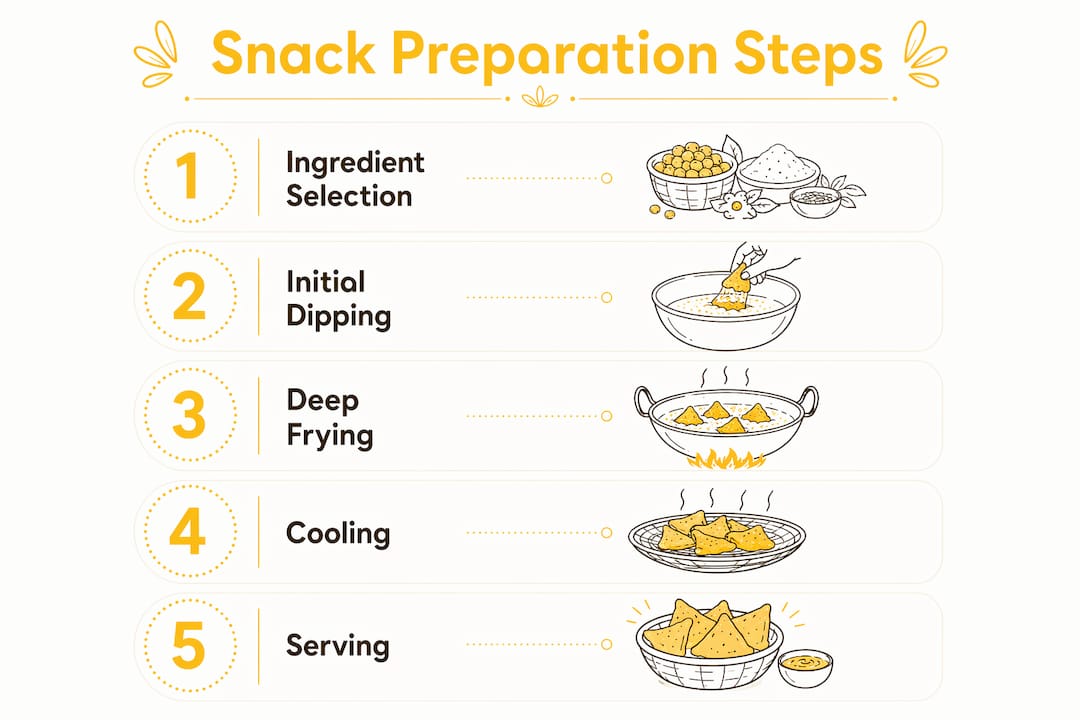
Pro Tip: For home cooks attempting Patharchatta fritters, use cold mustard oil for the initial dip before frying. Cold oil penetrates the semolina coating more evenly, producing a crispier exterior without absorbing excess fat.
How do these snacks connect to cultural and regional traditions?
Lesser-known Indian snacks are not just food. They are records of how communities have lived, celebrated, and sustained themselves across generations.
Patharchatta fritters reflect Himalayan indigenous knowledge about edible plants. Communities in the Western Himalayas have long used Patharchatta medicinally, and converting it into a snack represents a practical sustainability philosophy: nothing edible goes to waste. Eating this fritter is a direct connection to that tradition.
Kora Khai sits at the center of Odisha’s sweet snacking culture. Families prepare it during festivals and share it as an everyday treat, making it one of those snacks that carries strong emotional memory. The use of jaggery over refined sugar is also a deliberate choice rooted in local agricultural practice, since Odisha has a long history of jaggery production.
Regional bakery snacks like Mawa cake from Mumbai’s Irani cafes and Mangalore buns from coastal Karnataka carry the weight of community identity. Food writers note that these snacks maintain cultural identity despite global dessert trends dominating social media. A Khari biscuit sandwich eaten at an Irani cafe in Mumbai is not just a snack. It is a ritual.
Tea-time snacks across India serve a social function that goes beyond hunger. Whether it is Majjiga Murukku in Andhra Pradesh or puffed rice preparations in Odisha, the snack eaten with chai marks a pause in the day. That pause is culturally protected, and the snack chosen for it carries meaning. Pairing these snacks with authentic masala chai recreates that ritual at home with full fidelity.
The North vs. South Indian snack traditions differ sharply in fat choice, spice profile, and texture preference, which is why exploring both regions reveals entirely different snacking philosophies.
Where can you actually find these rare Indian snacks today?
Finding hard-to-find Indian snack varieties requires knowing where to look. The good news is that access has improved significantly, both online and through specialty channels.
Specialty online retailers are the most reliable source for authentic regional snacks. Platforms like Desimunchiess offer freshly made Indian snacks with FSSAI and GMP certifications, covering everything from fruit cookies to Navratan mixture and spiced nut blends. The direct-to-consumer model means you get snacks made in small batches, not warehouse stock.
Regional bakeries and local markets remain the gold standard for snacks like Mawa cake and Khari biscuits. If you live near a city with a significant South Asian community, seek out Irani cafes or Udupi-style restaurants. They often stock or serve these snacks informally.
Home preparation is genuinely achievable for snacks like Kora Khai and Patharchatta fritters. Both require minimal equipment and ingredients that are increasingly available through Indian grocery stores or online spice retailers. The key is sourcing the right dal and the right chilli variety.
Pairing for full experience. Serving these snacks with masala chai replicates the tea-time context in which most of them were designed to be eaten. The spiced warmth of chai cuts through the oil in fried snacks and amplifies the sweetness in jaggery-based ones.
Snack | Region | Best Pairing | Availability |
Patharchatta fritters | Western Himalayas | Masala chai | Home preparation |
Kora Khai | Odisha | Plain tea | Regional markets, online |
Majjiga Murukku | Andhra Pradesh | Buttermilk lassi | Specialty online stores |
Mawa cake | Mumbai (Irani cafes) | Cutting chai | Irani cafes, select bakeries |
Mangalore buns | Coastal Karnataka | Filter coffee | South Indian restaurants |
For readers who want to explore more options before committing to a purchase, the top snacks available online guide covers a broader range of authentic choices with sourcing notes.
Key takeaways
India’s rarest regional snacks are defined by hyper-local ingredients, traditional frying techniques, and cultural rituals that mass-produced snacks cannot replicate.
Point | Details |
Ingredient specificity matters | Gundlu urad dal and G4 green chillies are non-negotiable for authentic texture and heat balance. |
Mustard oil changes everything | Frying in mustard oil delivers flavor and digestive benefits that refined oils do not provide. |
Cultural context deepens flavor | Snacks like Kora Khai and Patharchatta fritters carry community history that makes them worth seeking out. |
Online access has improved | FSSAI-certified platforms like Desimunchiess now make rare regional snacks available nationwide. |
Pairing completes the experience | Serving regional snacks with masala chai recreates the tea-time ritual they were designed for. |
Why I think most food explorers are missing the best part of Indian snacking
I tried Majjiga Murukku for the first time at a small family-run store in Vijayawada, and it genuinely changed how I think about texture in snacks. The buttermilk tang was subtle but persistent, and the crunch was different from any murukku I had eaten before. Lighter. Almost delicate. I had been eating the wrong murukku my entire life.
What strikes me most about rare regional Indian snacks is that their obscurity is not a quality problem. It is a distribution problem. Kora Khai does not appear on mainstream snack shelves because jaggery-coated puffed rice does not photograph as dramatically as a loaded chaat bowl. That is a marketing gap, not a flavor gap.
My honest advice for first-time explorers: start with Kora Khai. It requires no acquired taste. The jaggery sweetness is immediately approachable, and the crunch is universally satisfying. From there, move to Majjiga Murukku, then work your way toward the more challenging flavors like Patharchatta fritters. Build your palate gradually rather than overwhelming it.
The deeper reward in exploring these snacks is not just flavor. Every one of them tells you something specific about the region it comes from, the crops grown there, and the cooking logic of the people who invented it. That is a kind of knowledge you cannot get from a samosa.
— Shivam
Taste something real with Desimunchiess
If reading about Kora Khai and Majjiga Murukku has made you hungry, we get it. At Desimunchiess, we make bold, home-style snacks the way they were meant to be made: fresh, in small batches, with real ingredients and zero shortcuts.
Our range includes fruit cookies, Navratan mixture, Tasty Nuts, and more, all FSSAI and GMP certified for quality you can trust. Every product is made with the same love and care you would expect from a home kitchen, not a factory floor. Shop the full range at Desimunchiess and taste what authentic really means.
FAQ
What qualifies as a lesser-known Indian snack?
A lesser-known Indian snack is a regionally specific food item that rarely appears in mainstream restaurants or packaged snack aisles, typically defined by hyper-local ingredients like Patharchatta leaves, jaggery, or Gundlu urad dal. These snacks are well-known within their home regions but largely invisible outside them.
Why are rare regional Indian snacks hard to find locally?
Most rare regional Indian snacks are hard to find locally because they rely on perishable or region-specific ingredients and are produced in small batches without commercial distribution networks. The rise of FSSAI-certified online retailers has begun to close that gap for snacks like Majjiga Murukku and Kora Khai.
What makes Kora Khai different from other puffed rice sweets?
Kora Khai uses jaggery instead of refined sugar and has a looser, crunchier texture compared to tightly bound puffed rice sweets like chikki. The jaggery coating gives it an earthy mineral sweetness that refined sugar cannot replicate.
Which oil is best for frying traditional Indian snacks?
Mustard oil is the traditional choice for frying Indian snacks, delivering a distinctive aroma, crispy finish, and subtle digestive benefits that refined vegetable oils do not provide. It is preferred over palm oil for both health and flavor reasons.
How do I start exploring lesser-known Indian snack varieties at home?
Start with Kora Khai for an approachable entry point, then try Majjiga Murukku for a savory crunch. For home preparation, source Gundlu urad dal and fresh G4 green chillies from specialty Indian grocery stores or online retailers like Desimunchiess.
Recommended
Comments