
How to Choose the Best Desi Snack Online Store
- DesiMunchiess

- Jun 10
- 9 min read

The best desi snack online store is defined by four non-negotiable qualities: freshness controls, regulatory label compliance, product authenticity, and reliable delivery timelines. These are not bonus features. They are the baseline for any store worth your money. When you buy desi snacks online, you are trusting a brand to replicate the bold, home-style flavors you grew up with, and that trust has to be earned through transparency. This guide breaks down exactly how to evaluate top desi snack retailers, what red flags to avoid, and which stores like Desimunchiess are doing it right.
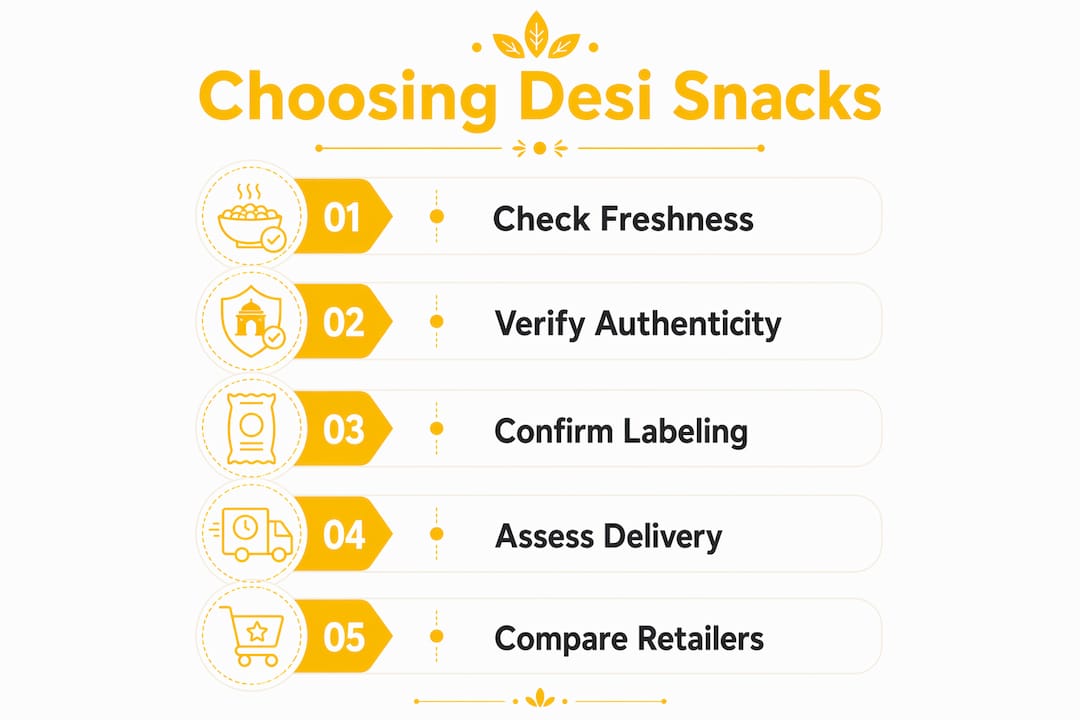
How to choose the best desi snack online store
The single most reliable signal of a quality online desi snack store is how openly it communicates freshness. Stores that display manufacturing dates and clear expiry information on every product page are telling you something important: they are not hiding stale inventory. This matters more for desi snacks than most other food categories because namkeen, chakli, and mixture lose their crunch and flavor fast once packaging is compromised.
Authenticity is the second pillar. A store can claim “homemade taste” in its marketing copy, but the real proof lives in the ingredient list, the production method, and whether the brand can tell you where and when the product was made. Stores like Desimunchiess, which use handcrafted production methods and traditional recipes, give you that traceability. Mass-produced alternatives rarely can.
Labeling compliance and delivery transparency round out the picture. India’s FSSAI regulations require specific label data on all packaged foods, and stores that meet this standard are automatically more trustworthy. Delivery timelines matter because a snack made fresh last week loses its appeal if it sits in a warehouse for three weeks before reaching you.
What freshness and packaging standards should you look for?
Freshness is not just about taste. It is about texture, aroma, and the full sensory experience that makes a desi snack worth eating. Sealed and vacuum packaging preserves crispness and shelf life far better than standard pouches, and the difference is immediately noticeable when you open the bag.
Here is what to check before placing any order:
Manufacturing date: The product page or packaging should show a recent manufacture date. If a store does not publish this, treat it as a red flag.
Best-before or expiry date: This tells you how much freshness window remains after delivery. A snack with a 3-month shelf life that ships in week 10 is already compromised.
Airtight or vacuum-sealed packaging: This is the gold standard for preserving crunch in snacks like sev, chivda, and bhujia.
Packaging type by snack category: Dry namkeen benefits from zip-lock or heat-sealed pouches. Softer snacks like mathri need rigid or semi-rigid packaging to prevent breakage in transit.
Batch or lot information: This connects the product to a specific production run, which matters if you ever need to raise a quality concern.
Stores that detail ingredient quality and hygiene protocols in their product descriptions signal a higher level of operational care. This is not common. When you find it, it is worth noting.
Pro Tip: Before ordering, search the product name plus “manufacturing date” or “batch number” in the store’s FAQ or product description. If neither appears anywhere on the site, the store likely does not prioritize freshness transparency.
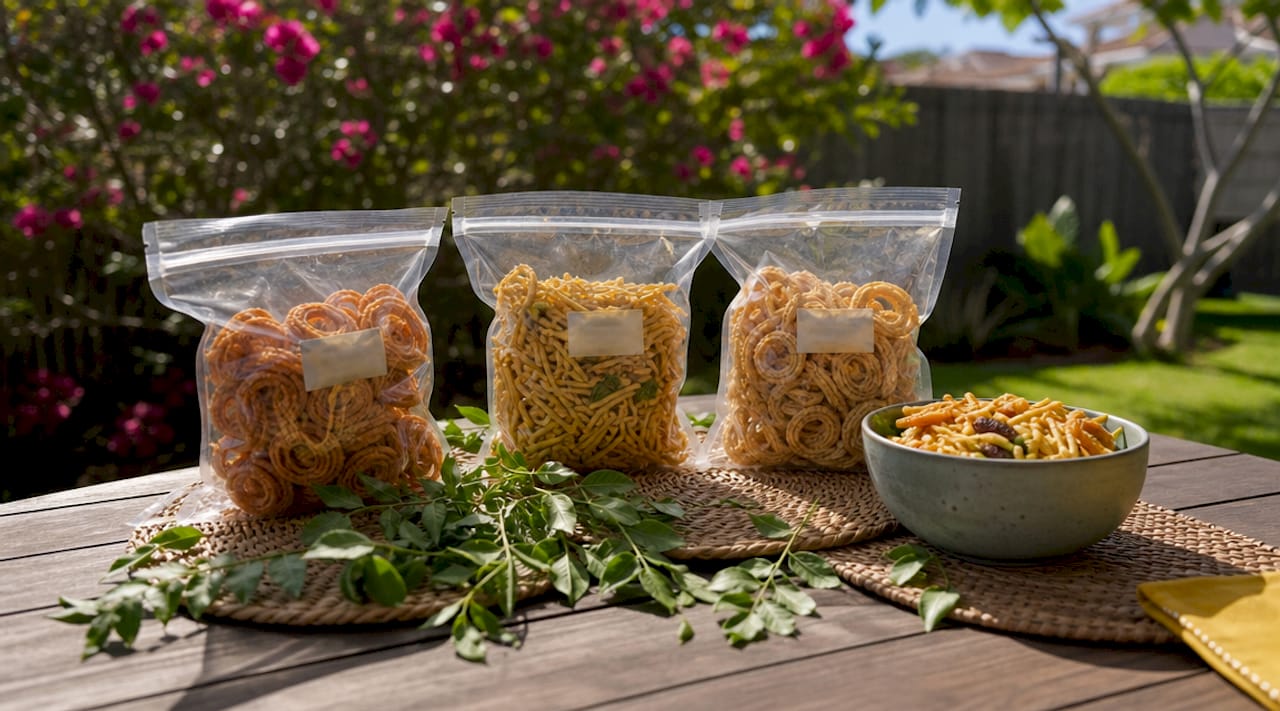
Different snack types also demand different packaging solutions. Chakli and murukku are fragile and need cushioned inner packaging to survive shipping. Mixture and namkeen blends need moisture barriers. A store that uses one-size-fits-all pouches for every product is cutting corners on quality preservation.
How do regulatory labeling requirements help ensure safe and authentic desi snacks?
FSSAI labeling regulations require every packaged food sold in India to carry specific information that protects consumers. For buyers purchasing Indian snacks online, especially from US-based stores sourcing from India, these labels are your primary verification tool. A product without a visible FSSAI license number is either non-compliant or not what it claims to be.
Here are the mandatory label elements you should verify on any desi snack product:
FSSAI 14-digit license number: This confirms the manufacturer is registered and audited under Indian food safety law. The number should be printed clearly, not buried in fine print.
Lot or batch number: This code links the product to a specific production run. If a quality issue arises, this number enables traceability back to the source.
Manufacturing date: Required by law and critical for freshness assessment. No manufacture date means no accountability.
Best-before or use-by date: Distinct from expiry, this tells you when peak quality ends. For snacks, this is the more relevant marker.
Allergen declarations: Mandatory for products containing peanuts, dairy, gluten, or sesame. This protects buyers with dietary restrictions.
Label Element | Why It Matters |
FSSAI 14-digit license | Confirms manufacturer compliance with Indian food safety standards |
Lot/batch number | Enables product traceability and quality accountability |
Manufacturing date | Establishes freshness baseline for the product |
Best-before date | Tells you how much quality window remains at time of purchase |
Allergen declaration | Protects buyers with dietary restrictions or allergies |
Regulatory compliance labeling is not a mere formality. It is a visible trust signal that separates serious food brands from casual resellers. A store that stocks only fully labeled products is one that has done the vetting work for you.
One nuance worth knowing: batch codes are not just for recalls. They also tell you whether a store is rotating stock properly. If you receive two orders months apart and both carry the same batch number, the store is sitting on old inventory.
Which online stores offer reliable delivery for fresh snacks?
Delivery timelines directly affect snack quality. A chakli that ships fresh but spends 14 days in transit will arrive soft and stale. Transparent delivery windows like the 4 to 7 business day range published by stores such as Grab N Eat give buyers the information they need to time orders correctly. That kind of specificity is a quality signal in itself.
Here is how to evaluate delivery reliability before you buy:
Published delivery windows: The store should state a specific range, not vague language like “ships soon” or “delivery varies.”
Dispatch date information: Knowing when the product leaves the warehouse is as important as knowing when it arrives. A 2-day delivery means nothing if the product sat for a week before dispatch.
Freshness window math: Subtract the estimated delivery time from the product’s shelf life. If the remaining freshness window is less than two weeks, reconsider the order.
Shipping method transparency: Air freight preserves freshness better than ground shipping for perishable snacks. Stores that specify shipping method are more trustworthy.
Return or replacement policy: A store confident in its freshness standards will offer a clear resolution path if snacks arrive stale or damaged.
Combining visible freshness dates with transparent shipping times is the safest approach to preserving snack quality. Stores that publish both are rare, and when you find one, that combination is worth more than any marketing claim.
Pro Tip: Order a small quantity first from any new store. Check the manufacture date on arrival, note the packaging condition, and taste the product before committing to a larger order.
How do top online desi snack retailers compare?
Choosing between top desi snack retailers comes down to three factors: product variety, authenticity credentials, and pricing transparency. Customer reviews and brand reputation are the fastest shortcut to separating stores that deliver on their promises from those that do not.
Retailer | Strengths | Watch For |
Desimunchiess | Handcrafted production, traditional recipes, sealed packaging, date markings | Smaller SKU range than mass-market brands |
Haldiram’s | Wide variety, strong brand recognition, consistent quality | Mass-produced; less “homemade” character |
iShopIndian | Broad catalog including regional and branded options | Variable freshness depending on product source |
Regional home-based sellers | Authentic recipes, small-batch freshness | Often lack FSSAI compliance and formal labeling |
Desimunchiess stands out in this comparison because it occupies a specific niche: handcrafted, home-style snacks with the labeling discipline of a regulated food brand. Products like Priniti Navratan Mixture and Punjabi Tadka come with sealed packaging and clear date markings, which puts them ahead of many regional sellers who prioritize flavor but skip compliance.
When evaluating variety, think beyond the number of SKUs. A store with 200 products but inconsistent freshness controls is less valuable than one with 30 products that are all reliably fresh and properly labeled. Regional snack diversity in India is enormous, spanning North Indian namkeen to South Indian murukku and everything in between. A store that covers multiple regional styles with consistent quality standards is genuinely difficult to find.
Pricing is the final variable. Authentic, small-batch snacks cost more than mass-produced alternatives. That premium is justified when the store can demonstrate freshness controls, label compliance, and reliable delivery. If a store is offering homemade-style snacks at mass-market prices, ask how.
Key takeaways
The best online desi snack store combines FSSAI-compliant labeling, sealed packaging with visible date markings, transparent delivery windows, and authentic handcrafted production to guarantee both safety and genuine homemade flavor.
Point | Details |
Freshness controls are non-negotiable | Check for manufacturing dates, best-before dates, and airtight or vacuum-sealed packaging before ordering. |
FSSAI labels signal real accountability | A visible 14-digit license number and batch code confirm the product meets Indian food safety standards. |
Delivery timelines affect taste | Choose stores that publish specific dispatch and delivery windows so you can calculate remaining freshness. |
Authenticity requires traceability | Handcrafted, small-batch production with clear ingredient sourcing is the strongest proof of homemade flavor. |
Compare on quality, not just price | A lower price on “homemade-style” snacks often means compromised freshness controls or missing label data. |
What I have learned from years of buying desi snacks online
Most people shopping for desi snacks online focus on flavor variety and price. That is the wrong starting point. After years of ordering from dozens of stores, the single most predictive variable for satisfaction is label transparency. Stores that show you the manufacture date, batch number, and a specific delivery window are almost always the ones whose snacks arrive fresh and crisp. The correlation is not coincidental. It reflects an operational culture that takes quality seriously end to end.
The “no preservatives, freshly made” claim is the most overused phrase in this category. I have received products making exactly that claim that arrived with no manufacture date, no batch code, and packaging that had clearly been sitting in a warehouse. Products claiming freshness without label traceability are a consistent red flag. The claim and the evidence need to match.
One thing most buying guides miss: the North vs. South Indian snack distinction matters for packaging too. South Indian snacks like murukku and ribbon pakoda are more fragile and need better cushioning in transit. If a store ships both styles in identical pouches with no internal protection, you will receive crumbs instead of snacks. Ask about packaging before you order regional specialties.
My honest advice: start with a store’s labeling before you read a single customer review. If the product pages show manufacture dates, FSSAI numbers, and clear delivery timelines, the reviews will almost always confirm what the labels already told you. If those details are missing, no amount of five-star ratings should change your decision.
— Shivam
Fresh, bold, and made with love: shop Desimunchiess
We built Desimunchiess around one idea: you deserve snacks that taste like they came from someone’s kitchen, not a factory floor. Every product we make uses traditional recipes, quality ingredients, and handcrafted methods that mass-market brands simply do not use.
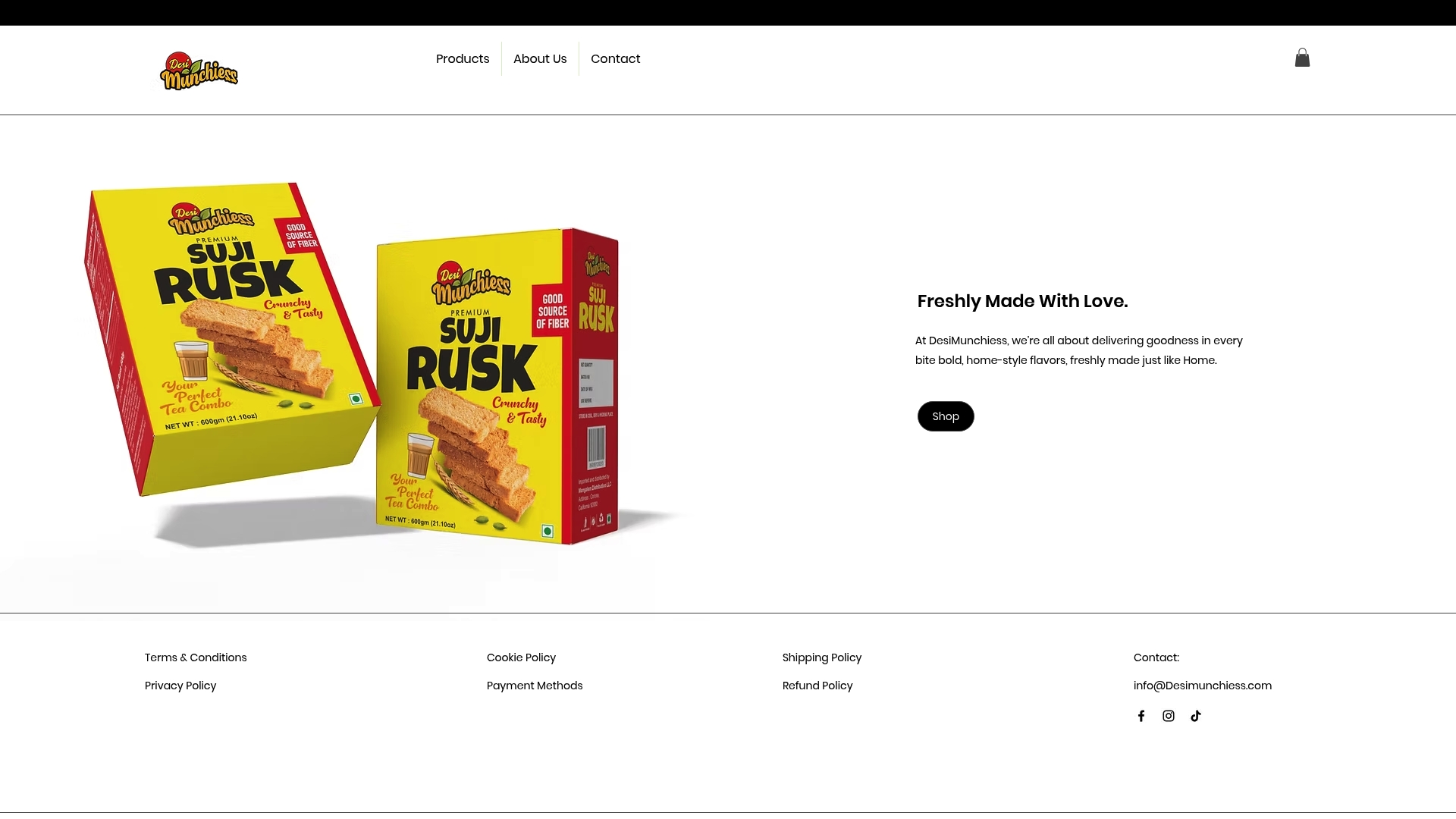
Our packaging shows you exactly when your snack was made and when it is best enjoyed. We ship with care and publish real delivery windows so your order arrives the way we intended it: fresh, bold, and full of flavor. Browse our full snack collection or start with a crowd favorite like Punjabi Tadka. Goodness in every bite, delivered straight to you.
FAQ
What makes a desi snack online store trustworthy?
A trustworthy store displays FSSAI license numbers, manufacture and best-before dates, and specific delivery windows on every product. These details confirm both regulatory compliance and a genuine commitment to freshness.
How do I know if desi snacks will arrive fresh?
Calculate the remaining shelf life by subtracting the store’s delivery window from the product’s best-before date. Stores that publish dispatch and delivery timelines make this calculation straightforward and reduce the risk of receiving stale snacks.
What is an FSSAI number and why does it matter?
The FSSAI 14-digit license number confirms that the food manufacturer is registered and audited under India’s food safety regulations. Its presence on packaging is a direct indicator of product accountability and compliance.
Are homemade-style desi snacks better than branded ones?
Homemade-style snacks from stores like Desimunchiess offer bolder, more authentic flavors because they use traditional recipes and small-batch production. Branded options like Haldiram’s offer consistency and wider variety but typically lack the handcrafted character of home-style production.
How do I compare desi snack stores before buying?
Check for label compliance, sealed packaging, published delivery timelines, and customer reviews in that order. A store that meets all four criteria is far more likely to deliver a satisfying, authentic snack experience than one competing on price alone.
Recommended
Comments