
Namkeen vs Other Savory Indian Snacks: Full Comparison

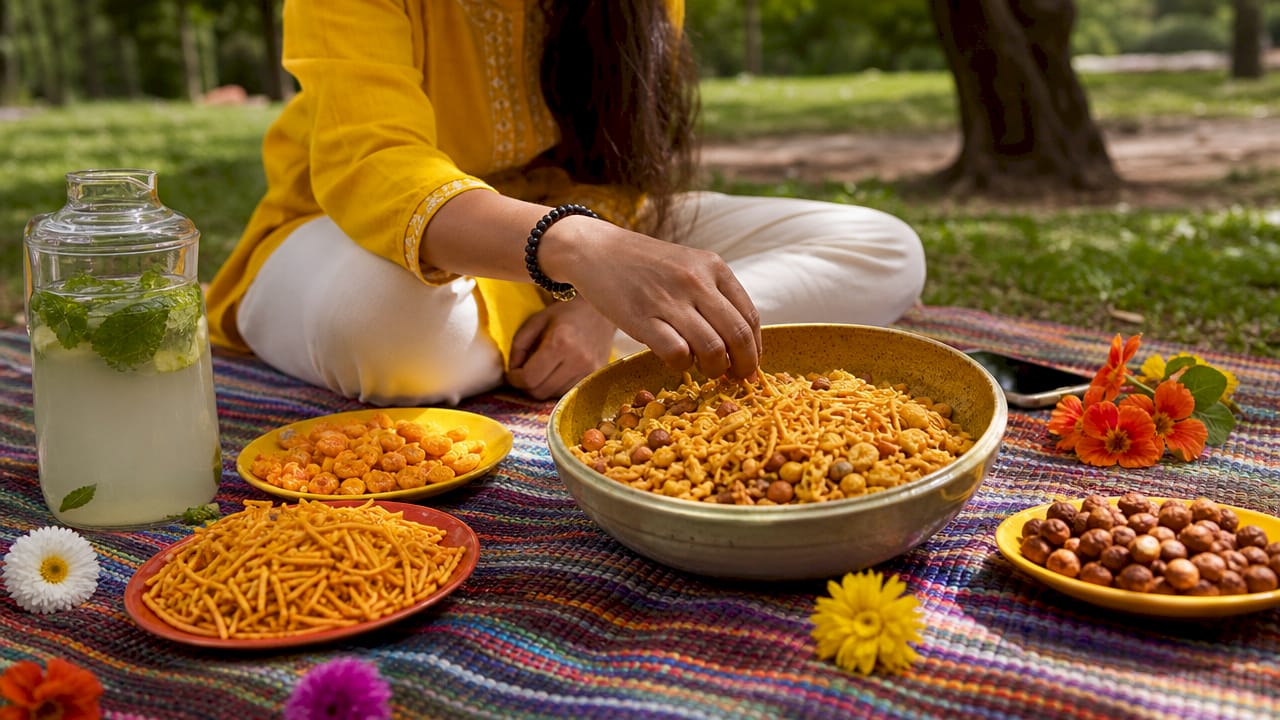
Namkeen is defined as a category of ready-to-eat, crunchy Indian savory snacks that require no cooking before serving. Unlike samosas, pakoras, or kachoris, namkeen has no filling and no prep time at the table. You grab a handful of sev, bhujia, or spiced peanuts and eat. That simplicity is exactly what makes the namkeen vs other savory Indian snacks debate so interesting. The two categories share bold flavors and deep cultural roots, but they differ sharply in texture, preparation, health profile, and when you reach for them.
1. What are the main differences between namkeen and other savory Indian snacks?
Namkeen is a ready-to-eat crunchy snack like sev, mixture, or spiced peanuts, while fried prepare-and-serve bites like samosas and pakoras belong to a separate category. That distinction matters because it shapes when and how you eat each one.
Namkeen sits in a bowl on the table. Samosas and pakoras come hot from the pan. Namkeen is shelf-stable and portable. Fried snacks are best eaten within minutes of cooking. The serving temperature alone changes the entire experience.
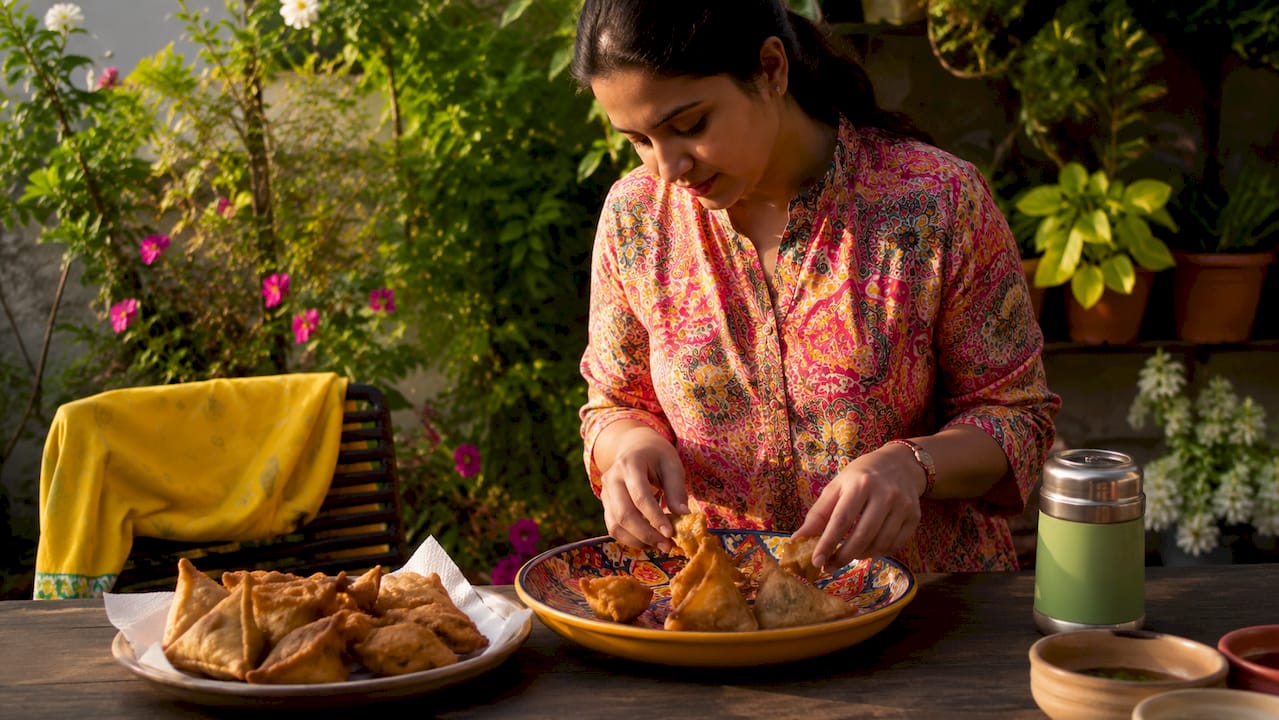
Flavor profiles also split the two groups. Namkeen leans salty, spiced, and dry. Fried snacks like kachori or bhajiya carry moisture from their fillings or batter, giving them a softer interior with a crisp shell. Murukku, a South Indian spiral snack, sits closer to namkeen in texture but is typically made fresh and eaten the same day.
Regional context shapes the difference further. In Gujarat, farsan is the broad term covering both namkeen-style dry snacks and fresh fried items. In Bengal, shingaras (the local samosa) are a fresh-fried staple. In Maharashtra, chakli and chivda represent the dry namkeen side. Understanding regional snack traditions helps you appreciate why no single snack defines Indian savory culture.
Pro Tip: When hosting a chai gathering, set out one namkeen variety for consistent crunch and one fresh-fried item for warmth. The contrast in texture and temperature is what makes the spread feel complete.
Namkeen: Sev, bhujia, mixture, chivda, mathri, spiced peanuts
Fresh-fried snacks: Samosa, pakora, kachori, murukku, bhajiya, shingara
Key difference: Namkeen is shelf-stable and eaten cold. Fresh-fried snacks are served hot and made to order.
2. How does the health profile of namkeen compare to other savory Indian snacks?
Traditional namkeen like bhujia, mixture, and sev contains roughly 800 mg sodium per serving, which is meaningfully lower than many potato chips that clock in at 1,200–3,500 mg per 100g. Lower sodium does not mean low sodium, but the gap is real and worth knowing.
Fresh-fried snacks like samosas and pakoras carry their own trade-offs. They absorb more oil during frying, which raises calorie density. A single large samosa can contain more fat than a full serving of packaged bhujia. The filling adds carbohydrates from potato or lentils, which changes the macronutrient balance.
The ingredient base drives the nutritional difference more than anything else. Gram flour-based snacks like sev and mixture deliver some plant protein. Legume-based chivda adds fiber. Potato-based mathri is denser in simple carbs. Knowing the base ingredient tells you more about a snack’s nutrition than the label’s front panel ever will.
One trap snack lovers fall into is trusting “healthy” labels. Baked multigrain namkeen can carry hidden sodium that rivals its fried counterparts. Salt is the primary flavoring agent in most packaged snacks, regardless of how they are cooked. Reading the sodium per 100g column on the nutrition label is the single most useful habit you can build.
Pro Tip: Compare sodium per 100g, not per serving. Manufacturers set serving sizes small to make numbers look better. Per 100g gives you an honest comparison across brands.
Snack type | Primary base | Sodium level | Oil content | Best for |
Sev / bhujia | Gram flour | Moderate | Low to moderate | Daily snacking |
Mixture / chivda | Legumes, puffed rice | Moderate | Low to moderate | Tea-time |
Samosa / pakora | Maida, potato, gram flour | Moderate | High | Occasional treat |
Potato chips | Potato | High | High | Occasional treat |
Roasted chana / khakhra | Chickpea, wheat | Low | Very low | Healthier alternative |
Roasted chana, dhokla, and khakhra are the healthier savory alternatives that offer protein, fiber, and minimal processing. They fill you up without the sodium spike that packaged namkeen can deliver.
3. What are the most popular types of namkeen and regional Indian savory snacks?
The variety across India is genuinely staggering. Each region has its own signature snacks, and many have no direct equivalent elsewhere in the country.
Classic namkeen varieties:
Sev: Thin, crispy gram flour noodles, seasoned with turmeric and spices. The base for dozens of chaat dishes.
Bhujia: Thinner than sev, made with moth bean flour, most famously associated with Bikaner in Rajasthan.
Mixture: A blend of sev, puffed rice, peanuts, and fried lentils tossed with spices. Every household has its own ratio.
Chivda (chevda): Flattened rice or puffed rice mixed with nuts, curry leaves, and mustard seeds. Light and addictive.
Mathri: A flaky, fried cracker made from wheat flour, popular in North India and often eaten with pickle.
Fresh-fried and regional savory snacks:
Samosa: Triangular pastry filled with spiced potato and peas. The most recognized Indian snack globally.
Pakora: Vegetables or paneer dipped in gram flour batter and deep-fried. A monsoon and chai-time staple.
Murukku: A spiral-shaped, crunchy South Indian snack made from rice flour and urad dal. Bridges the gap between namkeen and fresh-fried.
Kachori: A puffed, deep-fried shell filled with spiced lentils or onions. Heavier and richer than a samosa.
Shingaras: The Bengali version of samosas, typically smaller and filled with vegetables or meat.
Festival and fasting variants add another layer. Farali chevdo replaces grain-based ingredients with fasting-approved bases like water chestnut flour and sabudana (tapioca), maintaining the crunch and spice of regular chivda while complying with Hindu fasting rules. That adaptability is one of namkeen’s most underappreciated qualities. You can explore more lesser-known snack varieties that go well beyond the familiar.
4. How do homemade snacks compare to store-bought namkeen?
Homemade namkeen and farsan consistently outperform packaged versions on two fronts: oil control and flavor freshness. Homemade poha chivda uses a fraction of the oil in packaged versions and lets you dial in the salt level exactly. That control is impossible with a factory-sealed bag.
Packaged namkeen trades freshness for shelf life. Preservatives extend that shelf life but can dull the brightness of spices like curry leaves, mustard seeds, and dried chilies. A fresh batch of mixture made at home smells and tastes noticeably different from the same product bought off a shelf three months after production.
The economics are real too. Homemade snacks require time and ingredient sourcing. Packaged snacks offer convenience at a cost. For most snack lovers, the answer is a mix: homemade for occasions when you have time, quality packaged snacks for everyday reach-ins. Learning traditional snack-making techniques makes the homemade option far less intimidating than it looks.
Advantages of homemade snacks:
Full control over oil quantity and type
Adjustable salt and spice levels
No preservatives or artificial flavors
Fresher aroma and brighter spice notes
Customizable for dietary needs or fasting rules
When store-bought makes sense:
Consistent texture and crunch every time
Long shelf life for stocking up
Wider variety without the prep work
Reliable option when time is short
Key Takeaways
Namkeen is the most versatile category in Indian savory snacking because it is ready to eat, shelf-stable, and available in dozens of regional varieties with distinct nutritional profiles.
Point | Details |
Namkeen vs fresh-fried snacks | Namkeen is shelf-stable and eaten cold; samosas and pakoras are served hot and made fresh. |
Sodium awareness | Traditional namkeen averages lower sodium than potato chips, but label reading per 100g is still critical. |
Ingredient base matters | Gram flour, legumes, and rice bases each deliver different nutrition, texture, and flavor. |
Homemade beats packaged on freshness | Homemade chivda and mixture use less oil and brighter spices than factory-sealed versions. |
Festival adaptations broaden namkeen | Farali chevdo and fasting variants show namkeen’s flexibility across cultural and dietary contexts. |
Chai time, crunch, and what I’ve actually learned eating my way through Indian snacks
I used to treat namkeen as a background snack. It sat in a bowl, I grabbed handfuls without thinking, and I never considered how different it was from the samosas on the same table. That changed when I started paying attention to what I was actually eating and why.
The chai-time pairing ritual is not random. Warm tea and cold, crunchy namkeen create a contrast that neither delivers alone. The crunch cuts through the warmth of the tea. The spice in the namkeen makes the next sip of tea taste sweeter. That is a sensory relationship built over generations, not a coincidence.
What I find most underrated is the regional depth. Most snack lovers know bhujia and mixture. Far fewer have tried farali chevdo during Navratri or a proper Gujarati chevda made with thin poha and fresh curry leaves. Those regional variants carry stories and techniques that packaged snacks simply cannot replicate.
My honest advice: do not let sodium anxiety push you away from namkeen entirely. Read labels, watch portion sizes, and choose quality over quantity. A small bowl of well-made bhujia with your evening chai is one of life’s genuinely good pleasures. The goal is mindful enjoyment, not elimination.
— Shivam
Authentic Indian savory snacks, made the way they should be
At Desimunchiess, we make snacks the home-style way. Bold flavors, fresh ingredients, and traditional recipes that taste like someone made them for you personally.
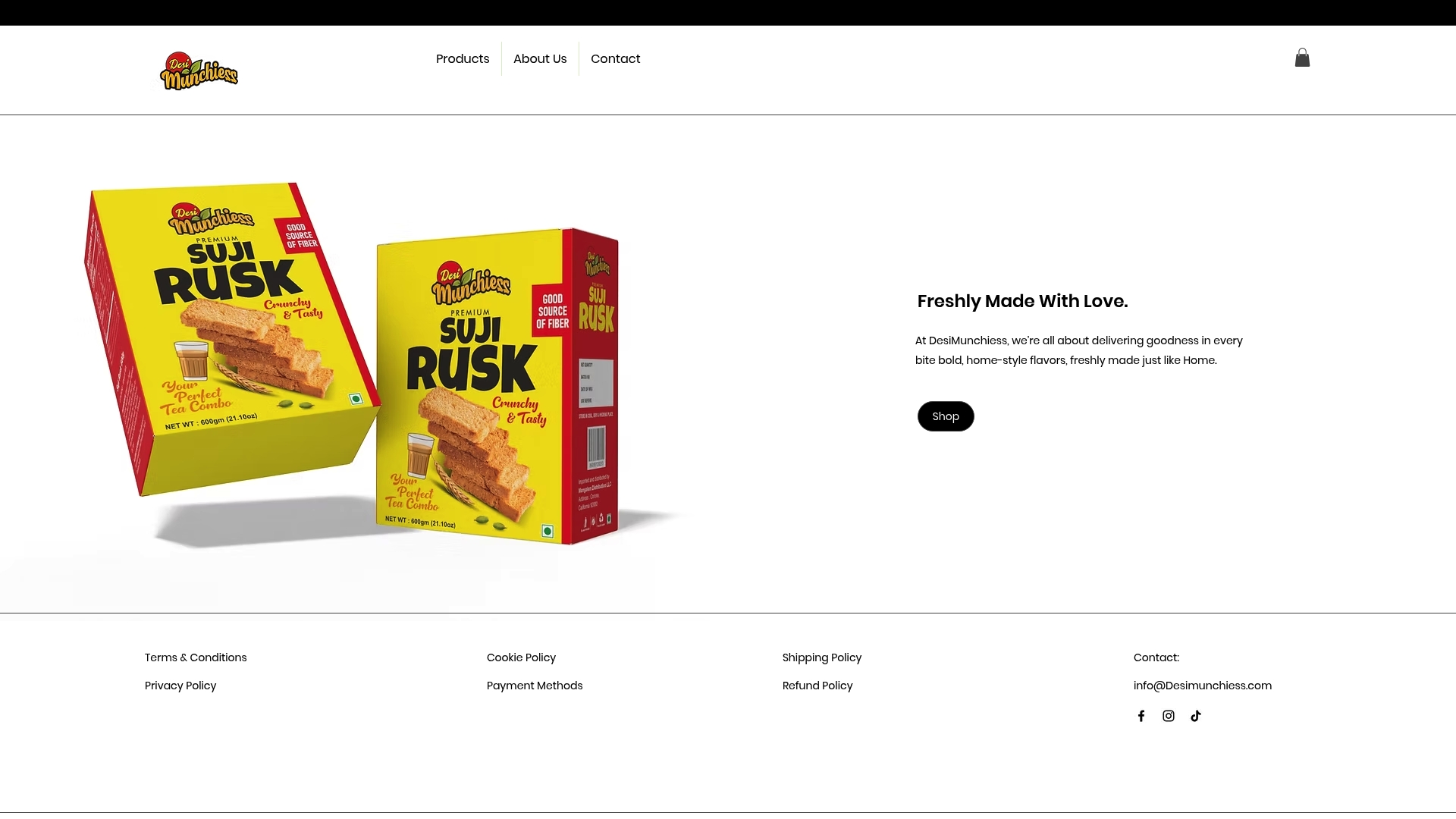
If you have been searching for authentic Indian snacks online that go beyond the standard grocery store shelf, we have you covered. Our range includes everything from spiced mixtures to crispy mathri-style bites. The Tikoni Mathi is a great place to start. It is flaky, perfectly spiced, and made with care in every batch. We believe good snacks do not need a long ingredient list. They need good hands and real recipes. Come find your new favorite.
FAQ
What is the difference between namkeen and snacks?
Namkeen is a specific subcategory of Indian savory snacks that is ready to eat, crunchy, and requires no cooking before serving. Broader savory snacks include fresh-fried items like samosas and pakoras that are made to order and served hot.
Is namkeen healthier than chips?
Traditional namkeen like bhujia and mixture generally contains lower sodium than many potato chips, but packaged versions can still carry significant salt. Reading the sodium per 100g on the label is the most reliable way to compare.
What are the most popular types of namkeen?
The most popular namkeen varieties are sev, bhujia, mixture, chivda, and mathri. Each uses a different base ingredient, from gram flour to flattened rice, giving each a distinct texture and flavor.
Can namkeen be eaten during fasting?
Yes. Festival variants like farali chevdo replace grain and gram flour bases with fasting-approved ingredients like water chestnut flour and sabudana, maintaining the crunch and spice of regular namkeen while meeting fasting dietary rules.
What are healthier alternatives to packaged namkeen?
Roasted chana, khakhra, and dhokla are traditional Indian snacks that offer more protein and fiber with less sodium and fat than most packaged namkeen options.
Recommended
Comments