
Top 40 School Lunchbox Snack Ideas Parents Can Pack

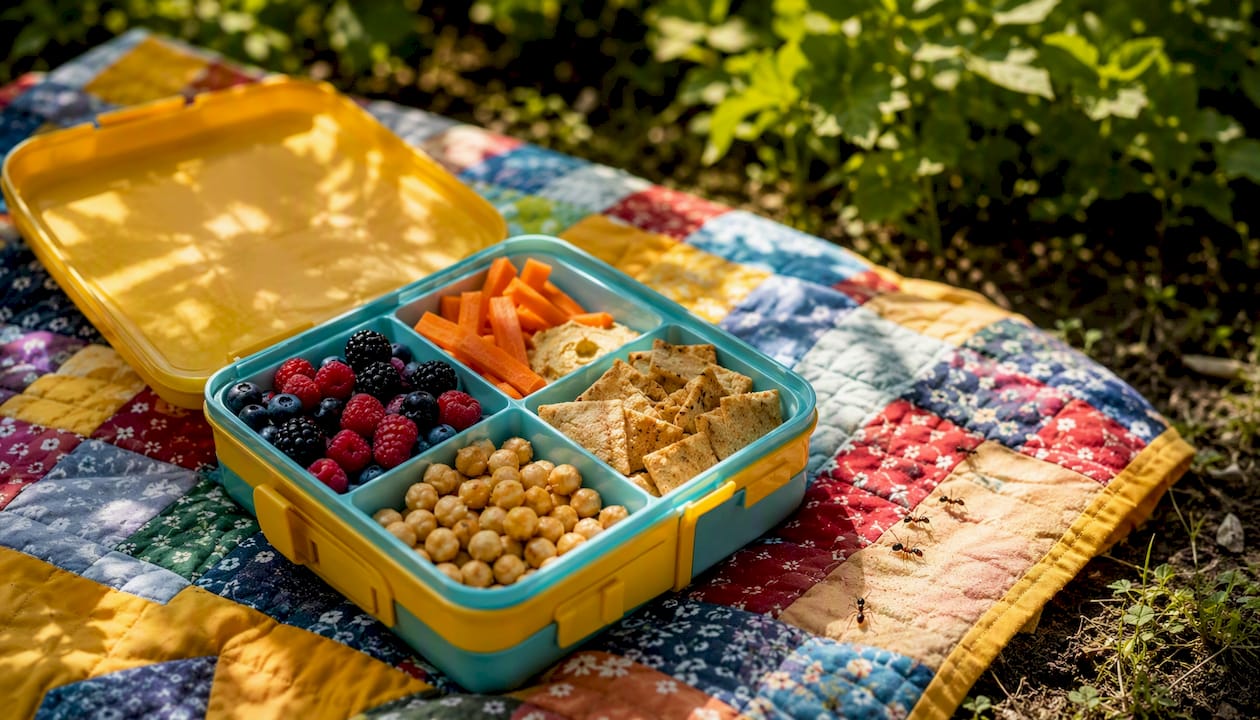
Here are 10 grab-and-go snack picks you can start using today. Mix and match them using a simple rule: pair a protein with a carb, and add a healthy fat when your child needs more staying power. The Harvard T.H. Chan School of Public Health recommends filling half the lunchbox with fruits and vegetables, one-quarter whole grains, and one-quarter protein.
10 Ready-to-Pack Favorites:
Sliced apples + string cheese
Baby carrots + hummus cup
Hard-boiled egg + whole-grain crackers
Frozen grapes (they thaw by lunch and double as a cold pack)
Roasted chana + a small piece of fruit
Turkey roll-ups + cucumber sticks
Greek yogurt tube + berries
Edamame in a snack bag
Banana oat bar (homemade or store-bought)
Air-popped popcorn + a small dark chocolate square
For nut-free schools, swap any nut-based item for sunflower seed butter or roasted chickpeas. Roasted chana fits perfectly here as a bold, satisfying shelf-stable option. Rotate two or three picks per week so your child stays interested.
Pro Tip: Prep five days of snacks in one Sunday session. Portion everything into a bento-style lunchbox with divided compartments so foods stay separate and packing each morning takes under two minutes.
Key Takeaways
A protein-plus-carb pairing, backed by the Harvard T.H. Chan School of Public Health formula, is the single most reliable way to build a school snack that keeps kids full and focused.
Point | Details |
Use the Harvard formula | Fill half the lunchbox with fruits and vegetables (aim for 2–3 types), one-quarter whole grains, and one-quarter healthy protein. Healthy fats can round out the meal. |
Pair protein with carbs | Combinations like string cheese with crackers or egg with fruit sustain energy between meals. |
Batch prep on Sundays | Portioning five days of snacks in one session cuts morning packing to under two minutes. |
Keep nut-free swaps ready | Roasted chana, sunflower seed butter, and seed crackers cover protein without allergy risk. |
Desimunchiess for easy rotation | Shelf-stable roasted chana and savory bites add bold flavor with zero morning prep required. |
Table of Contents
The full school lunchbox snack ideas list, sorted by category
A broad pool of options means you never get stuck. Here is a category-by-category breakdown with short notes on portions, packing, and school-safe swaps.
Fruits
Fresh fruit travels well when prepped right. Sliced apples (toss with a little lemon juice to prevent browning), frozen grapes, berries in a small lidded cup, and mandarin orange segments are all easy wins. Aim for one fist-sized portion per snack.
Vegetables and dips
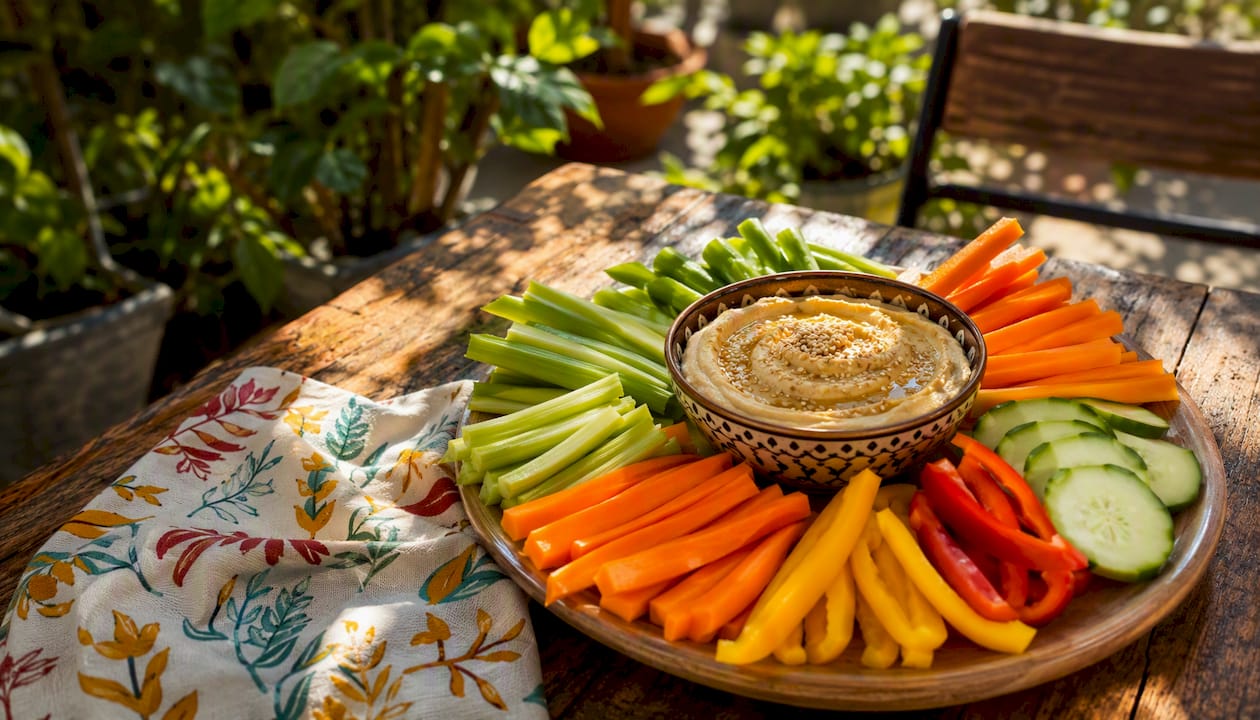
Carrot sticks, cucumber rounds, celery, and bell pepper strips hold up well in a sealed container. Pair them with a small hummus cup or a sunflower seed butter dip for a protein boost. Pack the dip in a separate leak-proof condiment cup to keep veggies crisp.
Protein snacks
Hard-boiled eggs, turkey roll-ups, string cheese, edamame, and roasted chickpeas are all solid choices. The Heart Foundation recommends including lean protein alongside whole grains for a heart-healthy lunchbox. For nut-free settings, roasted chana and seed butters cover the protein gap without any allergy risk.
Dairy and alternatives
Plain Greek yogurt cups, yogurt tubes, and cottage cheese pots are filling and easy to pack cold. For dairy-free kids, fortified oat milk or soy yogurt works just as well. Keep these items next to an ice pack.
Crunchy shelf-stable options
Air-popped popcorn, whole-grain crackers, and rice cakes are light and easy to portion. Roasted chana, a staple in Indian snacking, is a standout here: high in protein, naturally nut-free, and full of bold flavor. It is exactly the kind of homemade-style snack swap that replaces a processed chip without any sacrifice in crunch or taste.
Homemade bites
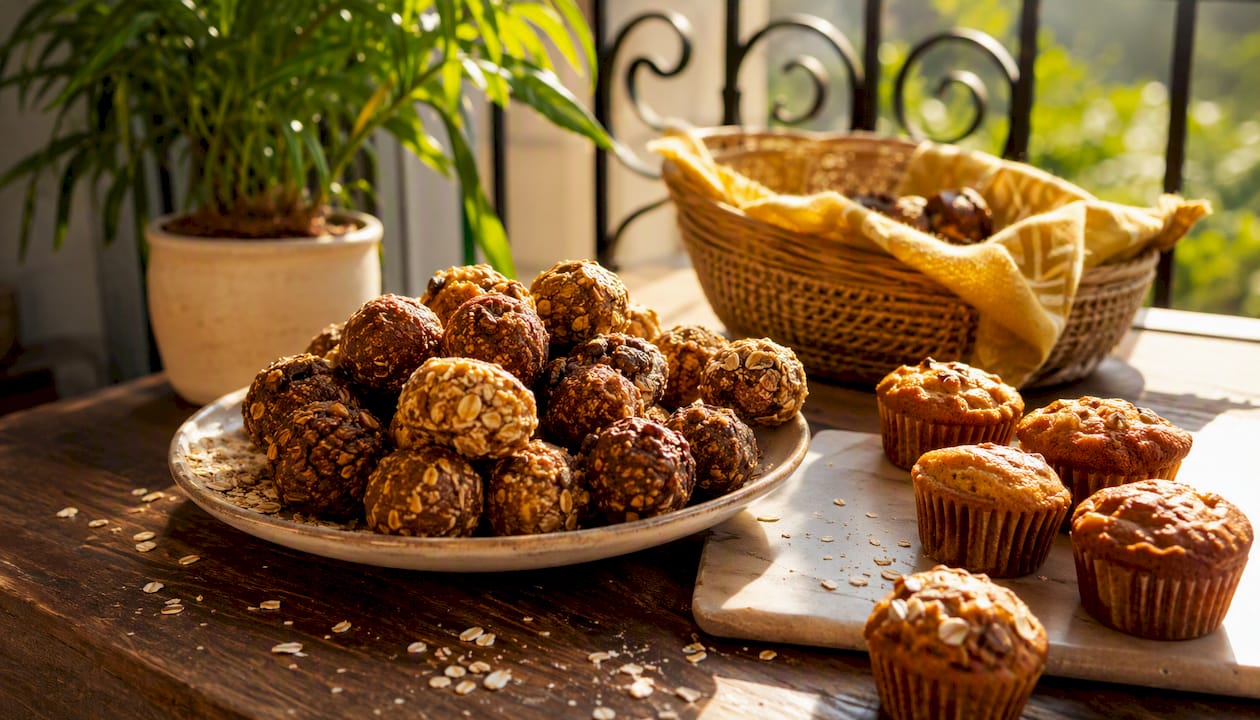
Energy balls (oats, honey, seeds), mini whole-grain muffins, and banana oat bars are all freezer-friendly and take about 20 minutes to batch-bake. Make a double batch on the weekend and you are set for two weeks.
Sweet treats
Keep these small and occasional. A portioned fruit leather, two or three dark chocolate squares, or a small homemade cookie works well. The Canadian Digestive Health Foundation advises limiting highly processed snacks and favoring whole-food options even for treats.
Beverage options
A refillable insulated water bottle is the default. For extra nutrition, pack milk or a fortified plant milk (oat, soy, or almond) in a small insulated thermos. Skip juice boxes when you can; whole fruit delivers the same sweetness with fiber included.
Pro Tip: Pairing a protein with a carb creates what nutrition researchers call a “super snack.” String cheese with grapes, or a hard-boiled egg with whole-grain crackers, keeps kids focused and full far longer than a carb-only snack.
According to the Harvard T.H. Chan School of Public Health, bento-style lunchboxes with divided compartments encourage variety, support portion control, and keep foods separate for children who prefer items not touching.
Make-ahead and freezable snacks that save you time every morning
Batch prep is the single biggest time-saver in the school snack routine. These options freeze well and thaw safely by lunchtime.
Snacks that freeze well:
Mini whole-grain muffins (bake a dozen, freeze in a zip bag, pull one out each morning)
Banana oat bars (slice into portions, wrap individually, freeze flat)
Frozen grapes (rinse, dry, freeze on a tray, then bag; they double as a cold pack)
Yogurt lollies (pour plain yogurt and fruit puree into small molds; freeze overnight)
Energy balls (roll a batch, freeze on a tray, transfer to a bag)
Batch-prep timeline: Spend 45–60 minutes on Sunday. Bake muffins and bars first since they take the oven. While those cool, roll energy balls and freeze grapes. Label each container with the item and date.
Packing frozen items safely: Place frozen snacks next to a reusable ice pack in an insulated lunch bag. By the time lunch rolls around, muffins and bars are thawed and grapes are perfectly chilled. For yogurt lollies, keep them frozen until the last moment and wrap in a small cloth napkin.
Forks Over Knives highlights using leftovers and heftier ingredients like grains and beans to keep kids full, which applies directly to batch-baking and make-ahead prep. For more on why fresh, small-batch preparation makes a real difference, see why small-batch snacks stay fresher.
Pro Tip: On Sunday evening, pre-portion five days of dry snacks (crackers, roasted chana, popcorn) into labeled snack bags. Stack them in a single bin in the pantry. Morning packing becomes a grab-and-go job.
A sample five-day snack rotation you can copy right now
Variety keeps kids interested. Here are five ready-to-use daily pairings built on the protein + carb formula, with nut-free swaps included.
Monday: String cheese + apple slices + whole-grain crackers. Prep tip: slice apples the night before and store in water with a squeeze of lemon.
Tuesday: Hard-boiled egg + cucumber sticks + hummus cup. Prep tip: boil a batch of four eggs on Sunday.
Wednesday: Roasted chana + mandarin orange segments + a small yogurt tube. Nut-free and school-safe by default.
Thursday: Turkey roll-up + baby carrots + air-popped popcorn. Prep tip: roll the turkey the night before and wrap tightly.
Friday: Banana oat bar (from the freezer) + berries + a small dark chocolate square. A fun end-of-week treat that still hits the protein + carb balance.
Swap Wednesday’s roasted chana for sunflower seed butter on a rice cake if your school has a seed restriction. For picky eaters, creative presentation such as cutting fruit into shapes or using a small skewer can make the same foods feel new and exciting.
Packing, freshness, and school-safety rules worth knowing
Getting snacks to school fresh and safe takes a few consistent habits.
Portion guidance by age:
Portion sizes should vary by age, with recommended serving amounts increasing as children grow older.
The Canadian Digestive Health Foundation recommends small portions of whole foods from core food groups and limiting highly processed snacks for school settings.
Temperature control:
Perishable items (dairy, eggs, meat) need an ice pack or insulated container. A good rule: if it needs refrigeration at home, it needs an ice pack in the lunchbox. Thermoses work well for warm items like edamame.
Allergen and school-safe notes:
Always check your school’s specific policy before packing. Many schools are peanut-free; some are tree-nut-free as well. Sunflower seed butter, tahini, and roasted chickpeas are reliable swaps. Read labels on packaged items since cross-contamination warnings matter in nut-free zones. For a deeper look at school-safe snack choices, the guidance there covers allergen labeling in plain terms.
Freshness and cross-contamination:
Use separate compartments for wet and dry foods. Leak-proof containers prevent soggy crackers and keep dips contained. Wash reusable containers daily.
Pro Tip: Label each compartment or bag with your child’s name and the day of the week. Tuck in a small napkin and a reusable fork or spoon so nothing gets skipped at school.
The Heart Foundation advises “packing the rainbow” by mixing colors across fruits and vegetables, which naturally increases the variety of vitamins and minerals in a child’s snack.
Your weekly shopping list and prep checklist
Core grocery items to keep stocked:
Fresh fruit (apples, grapes, berries, mandarins, bananas)
Cut vegetables (carrots, cucumbers, bell peppers, celery)
Whole-grain crackers, rice cakes, air-popped popcorn
Sunflower seed butter or tahini
Plain Greek yogurt and yogurt tubes
Eggs, string cheese, turkey slices
Roasted chana or chickpeas
Oats, honey, and seeds for homemade bites
One-session weekly prep checklist:
Wash and cut all produce; store in sealed containers
Boil four to six eggs; refrigerate unpeeled
Bake a batch of mini muffins or banana oat bars; freeze half
Portion crackers, popcorn, and roasted chana into snack bags
Fill and label five yogurt cups or tubes
Packaging supplies worth having:
Bento-style lunchbox with at least three compartments
Small leak-proof condiment cups for dips
Reusable snack bags
Insulated lunch bag with a slim ice pack
Permanent marker for labeling
How to build a balanced snack using a simple formula
The Harvard T.H. Chan School of Public Health lays out a clear formula: fill half the lunchbox with fruits and vegetables (aim for two to three types), one-quarter with whole grains, and one-quarter with healthy protein. Healthy fats round out the meal and improve how long kids stay full.
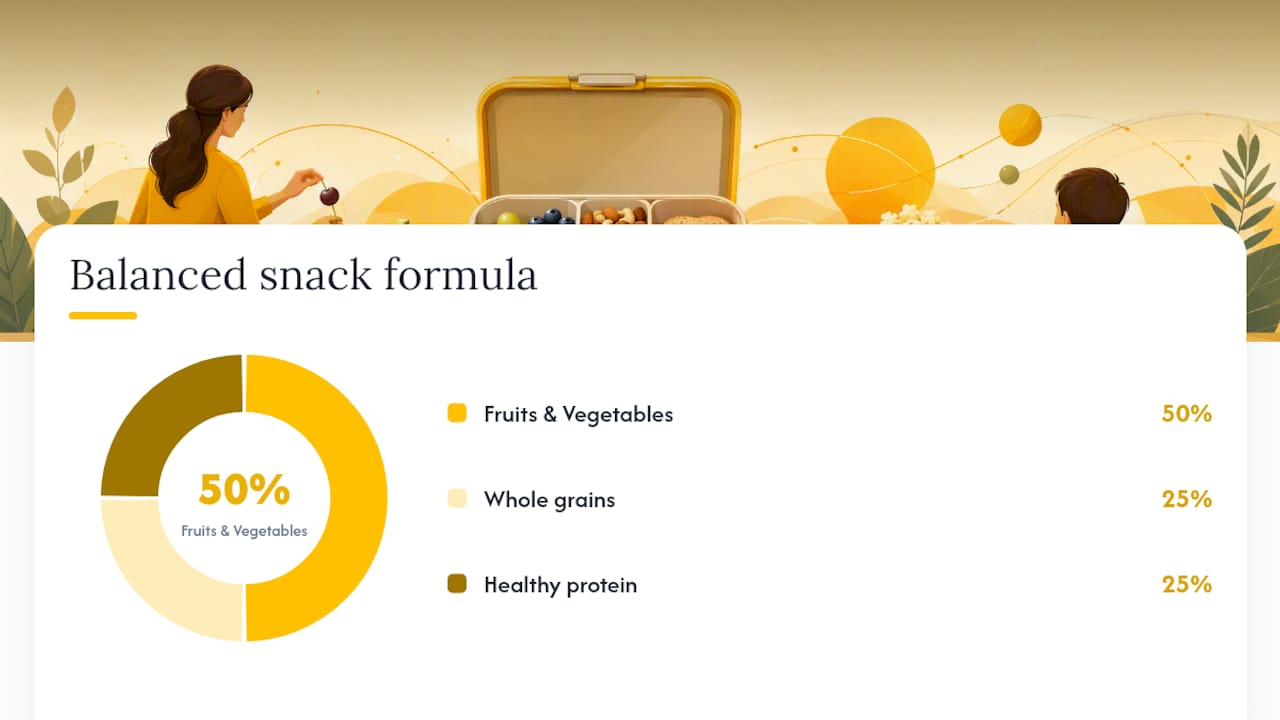
For snacks specifically, scale that formula down. A small snack does not need all four components, but pairing at least two (protein + carb) makes a real difference in focus and energy. Adding a healthy fat, such as a few seeds or a small amount of nut or seed butter, extends satiety further.
Quick portion examples:
Ages 4–6: one-quarter cup roasted chickpeas + five whole-grain crackers + a small handful of grapes
Ages 7–10: one hard-boiled egg + six crackers + half a cup of berries
Ages 11+: string cheese + a small banana + a tablespoon of sunflower seed butter
UW Health’s family-tested guidance reinforces that variety and presentation matter as much as the food itself. Kids who see colorful, well-arranged snacks are more likely to eat them. For a fuller breakdown of snack nutrition for families, the role of each food group in a child’s day is explained in plain terms.
The Harvard T.H. Chan School of Public Health recommends small, nutrient-dense combinations such as string cheese with grapes as snack-size examples that balance calories and nutrients for children of different ages and activity levels.
How to use seasonal and local produce in lunchbox snacks
Seasonal produce is fresher, cheaper, and often more flavorful than out-of-season alternatives shipped long distances. In spring and summer, strawberries, blueberries, snap peas, and cherry tomatoes are abundant and easy to pack whole. Fall brings apples, pears, and grapes at their peak. Winter is the season for citrus: clementines, mandarins, and blood oranges pack neatly and peel easily for kids.
Visit a local farmers market or check the seasonal produce section at your grocery store. Buying in bulk when something is in season and freezing the excess (berries freeze beautifully) stretches your budget and keeps variety in the rotation year-round. A simple swap like trading imported strawberries in January for a clementine cuts cost and usually improves taste.
Involving kids in choosing produce at the store or market increases the chance they will actually eat it. Let them pick one new fruit or vegetable each week. Pair it with a familiar dip or a food they already love, and the new item feels less like a challenge.
What actually works for busy families
The most common mistake parents make with lunchbox snacks is trying to overhaul everything at once. One new snack per week, swapped in for something less nutritious, compounds into a genuinely different routine within a month. That is the practical wisdom behind UW Health’s family-tested approach: small, consistent changes beat ambitious resets that collapse by Wednesday.
Convenience and freshness are not opposites. A shelf-stable roasted chana or a whole-grain cracker from a trusted source is a better choice than a homemade snack that sat in the fridge too long. The goal is not perfection. It is a lunchbox that is good enough, most days, with a treat on Friday.
For picky eaters, presentation is a legitimate tool. Creative shapes, skewers, and themed boxes genuinely increase willingness to try new foods without changing what is inside. And for families short on time, the guide to making snacking fun for picky eaters offers practical, low-effort ideas that work in real kitchens.
Normalize imperfect days. A yogurt tube and a handful of crackers is still a snack. The rotation matters more than any single day.
Desimunchiess snacks belong in your weekly rotation
When you want a shelf-stable, bold-flavored option that requires zero prep, Desimunchiess delivers exactly that. We make freshly crafted Indian snacks using authentic recipes and high-quality ingredients: roasted chana, suji rusk, atta biscuits, traditional cookies, and more. Every item is made in small batches, so the flavor and freshness are real, not manufactured.
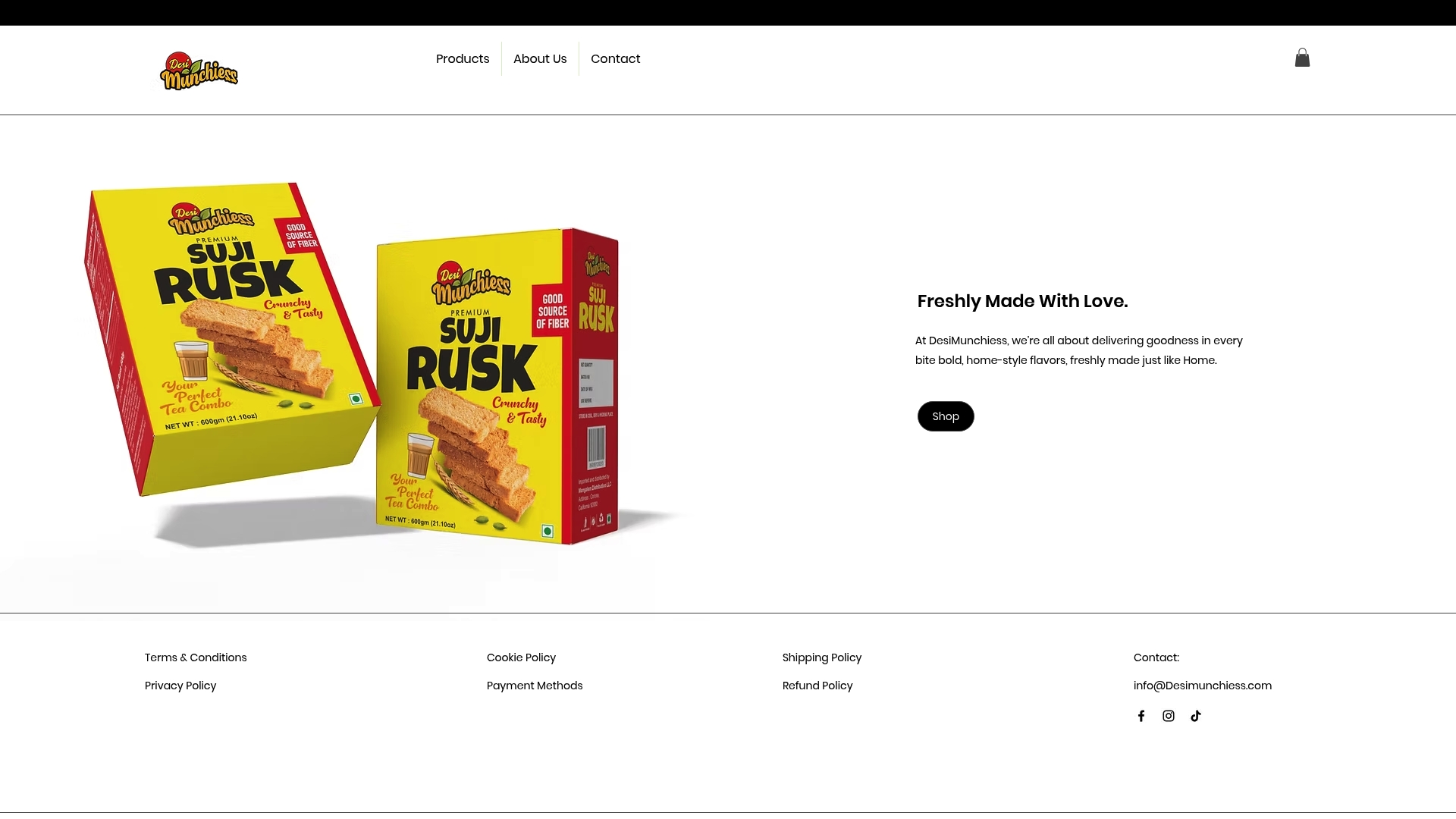
For school lunchboxes, roasted chana is the easiest fit: naturally nut-free, high in protein, and satisfying enough to pair with fruit or a yogurt cup for a complete snack. Our Tikoni Mathi is another crowd-pleaser, a crunchy, savory bite that travels well and holds up in a lunchbox all morning. Always check the label and your school’s allergen policy before packing any packaged item.
Pro Tip: Keep a few Desimunchiess shelf-stable items in your pantry as backup snacks. On mornings when the fridge is bare, they pair perfectly with a piece of fruit for a quick, balanced snack.
Browse the full range and place an order at Desimunchiess to stock your snack rotation this week.
Sources
These are the research-backed resources used throughout this article.
Recommended
Comments