
The Real Role of Snacking in Busy Schedules


Snacking is defined as the practice of consuming small, nutrient-timed portions between main meals to sustain energy, mental clarity, and physical performance throughout the day. Nutrition professionals call this approach “structured grazing,” and it has moved well beyond casual habit into a recognized strategy for productivity. 79% of consumers snack daily, with 42% doing so two to three times per day to manage energy and time constraints. That number tells you snacking is no longer optional for busy people. It is a daily energy management tool, and how you do it determines whether you finish the day sharp or exhausted.
How does the role of snacking in busy schedules affect productivity?
Strategic snack timing is the single biggest variable separating people who stay focused all day from those who hit a wall by 2:00 PM. The body does not run on three meals alone. Blood sugar drops between meals, and when it does, concentration falls with it.
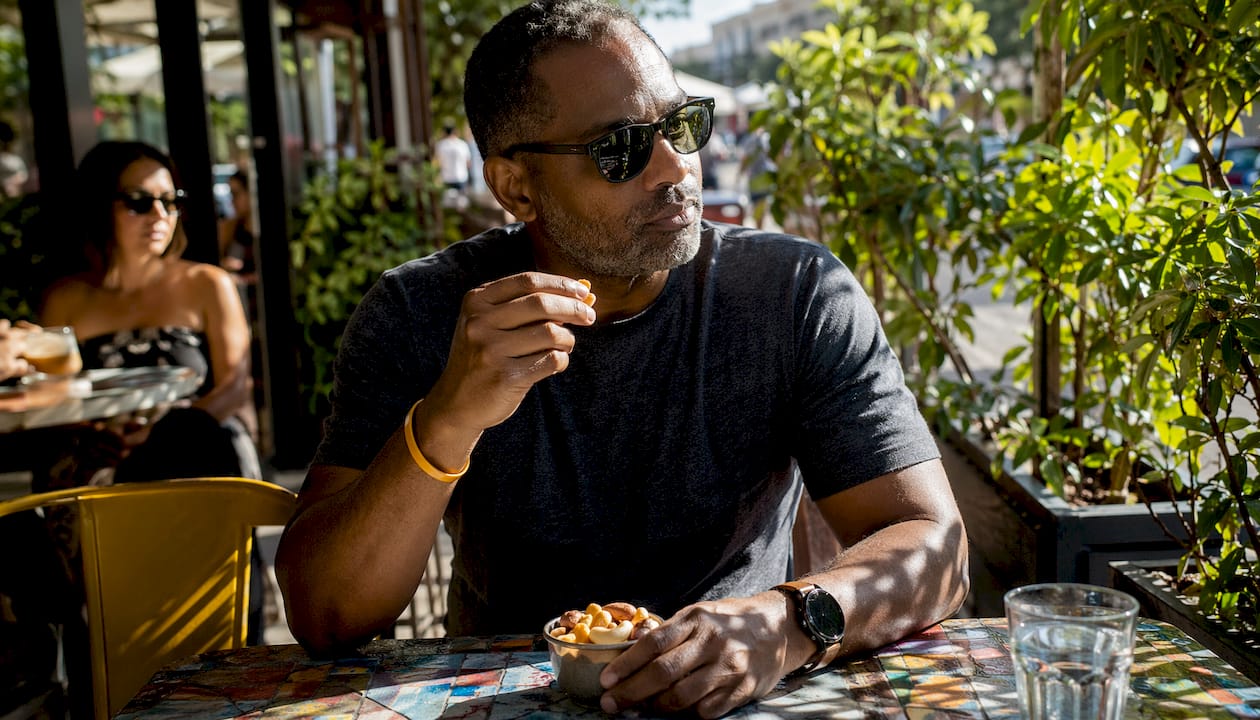
Eating balanced snacks every 3–4 hours prevents the cognitive decline that comes from blood sugar dips and even mild dehydration. A 2% drop in hydration measurably impairs focus. That means skipping a mid-morning snack is not just uncomfortable. It actively costs you mental output.
The right timing also depends on your work type. Desk workers and those in back-to-back meetings have different needs than people doing physical labor.
Desk workers and meeting-heavy roles benefit most from a mid-morning snack around 10:00 AM, before cognitive load peaks. A small protein and fat combination at this point keeps glucose stable through the late morning.
Physical laborers need an earlier, more calorie-dense snack. Workers in physically demanding jobs should eat around 8:30–9:00 AM to avoid hitting an energy wall before the first break.
The 2:30 PM window is critical for everyone. The mid-afternoon energy crash at 3:00 PM is a biological event, not a willpower failure. A small snack at 2:30 PM prevents it. Waiting until you feel the crash means you are already behind.
Pro Tip: Schedule a protein and healthy fat snack 45 minutes before your most cognitively demanding task of the day. Your focus during that task will be noticeably sharper.
The pattern here is proactive, not reactive. Eating because you are already hungry means your blood sugar has already dipped. Timed snacking keeps you ahead of the curve.
What nutrients make a snack actually work for sustained energy?
Not all snacks are equal. The nutrient composition of what you eat between meals determines whether you get two to three hours of steady energy or a spike followed by a crash.
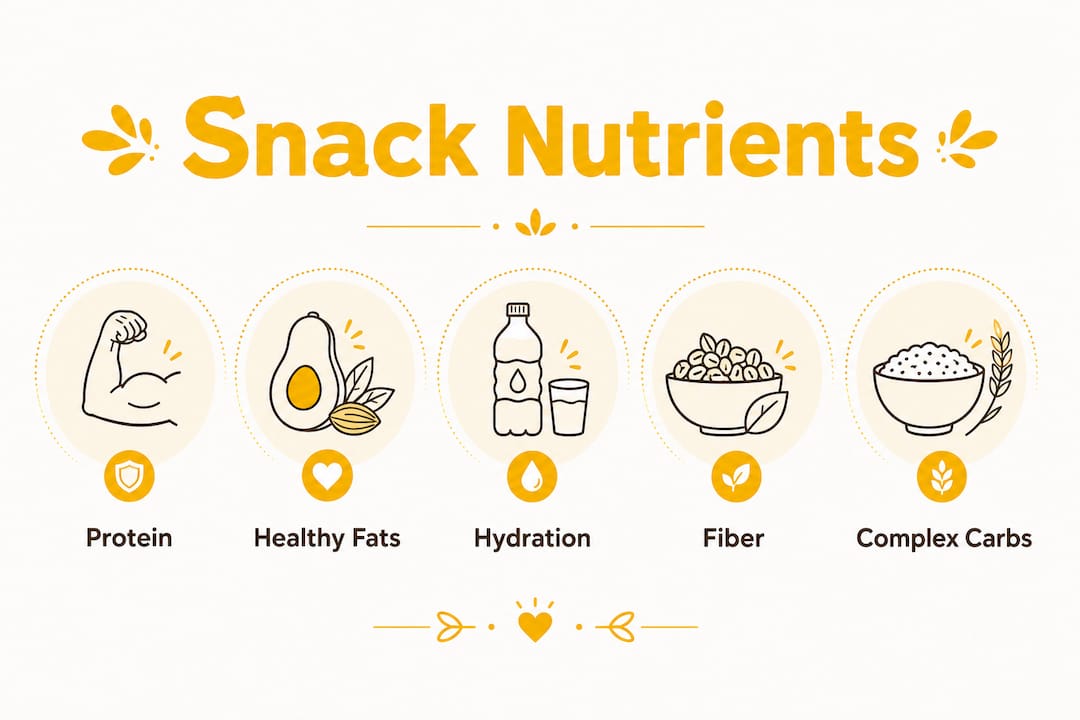
Protein combined with healthy fats stabilizes blood sugar better than carbohydrate-only snacks. This combination slows glucose absorption and keeps energy release steady. A handful of almonds with a hard-boiled egg outperforms a granola bar every time, even if the calorie counts are similar.
The problem with high-glycemic index (GI) snacks is well documented. Insulin overreaction to high-GI foods causes blood sugar to crash after the initial spike, triggering cravings, anxiety, and reduced cognitive function. Low-GI snacks, by contrast, release glucose steadily over two to three hours. That is the window you need to cover between meals.
Here are the snack profiles that deliver real results for busy people:
Nuts and seeds: Almonds, walnuts, and pumpkin seeds provide protein, fat, and magnesium. Magnesium supports nerve function and reduces fatigue.
Greek yogurt: High in protein and probiotics. Pair it with berries for a small carbohydrate boost without a GI spike.
Hard-boiled eggs: One of the most portable, complete protein sources available. Two eggs deliver roughly 12 grams of protein with zero prep time at the moment of eating.
Avocado combinations: Avocado on whole grain crackers gives you healthy monounsaturated fats, fiber, and complex carbs in one snack.
Whole food snacks: Options built from real, minimally processed ingredients, like those covered in whole food snack guides, consistently outperform packaged alternatives for sustained energy.
Hydration belongs in this conversation too. Thirst often registers as hunger. Drinking water before reaching for a snack eliminates false hunger signals and prevents unnecessary calorie intake.
Pro Tip: If you feel hungry less than two hours after your last meal, drink a full glass of water and wait ten minutes. Real hunger will persist. Dehydration hunger will fade.
How can you prepare snacks to avoid bad choices when time is short?
Decision fatigue is real. By mid-afternoon, the mental energy required to choose a healthy snack over a convenient but poor option is significantly lower than it was at 8:00 AM. The solution is to remove the decision entirely.
37% of US adults now list ease of preparation as very important when choosing snacks, a figure that has risen four points since 2020. That shift reflects a broader truth: busy people do not fail at healthy snacking because they lack knowledge. They fail because the healthy option requires more effort at the wrong moment.
Batch preparation solves this. Pre-portioning snacks and labeling them reduces impulsive snacking and consistently leads to healthier choices throughout the week. Spend 20 minutes on Sunday portioning nuts into small containers, washing fruit, and boiling eggs. The rest of the week, the decision is already made.
Your snack environment matters just as much as your snack choices. Placing healthier snacks at eye level and keeping less healthy options out of immediate reach increases consumption of nutritious options. This works because it reduces the psychological friction required to make a good choice. You eat what you see first.
Practical setup tips that work:
Keep a bowl of fruit or a container of nuts on your desk or kitchen counter.
Store chips, cookies, and other low-nutrition options in a cabinet, not on the counter.
Build a weekly shopping list with snack staples: Greek yogurt, almonds, eggs, whole grain crackers, and fresh fruit. Buying the same core items weekly removes the mental load of planning from scratch.
Label snack containers by day or occasion (“Tuesday afternoon,” “pre-meeting”) to make grabbing the right snack automatic.
The goal is to make the healthy choice the easy choice. Environment design does that without requiring willpower.
What convenient snack options fit a busy lifestyle without sacrificing taste?
Convenience and nutrition are not opposites. The best snacks for busy people are quick to grab, satisfying, and built from real ingredients.
The most practical options fall into three categories based on prep time:
Zero prep: Whole almonds, walnuts, fresh fruit, string cheese, and hard-boiled eggs (pre-boiled in batch). These require no preparation at the moment of eating.
Two-minute prep: Greek yogurt with a spoonful of nut butter, whole grain crackers with avocado, or a small portion of hummus with sliced vegetables.
Batch-prepped options: Homemade trail mix, portioned overnight oats, or roasted chickpeas prepared weekly and stored in individual containers.
Variety prevents snacking boredom, which is one of the most underrated reasons people abandon healthy snacking habits. Rotating between three to four go-to snacks weekly keeps things interesting without adding planning complexity. If you find yourself reaching for the same snack every day and starting to dread it, swap one item per week.
For those who want bold flavor without sacrificing quality, better-for-you snack alternatives that use real ingredients deliver both satisfaction and nutrition. Desimunchiess takes this seriously. Every product is freshly made using traditional recipes and high-quality ingredients, so you get the kind of bold, home-style flavor that actually makes snacking something to look forward to.
Snack type | Best for | Prep level |
Nuts and seeds | Sustained energy, portability | Zero prep |
Greek yogurt with berries | Protein and gut health | Two minutes |
Hard-boiled eggs | Complete protein, filling | Batch prep |
Avocado on whole grain crackers | Healthy fats and fiber | Two minutes |
Homemade trail mix | Variety, long shelf life | Batch prep |
The snacks that work long-term are the ones you actually enjoy eating. Nutrition without flavor is a habit that does not last.
Key Takeaways
Strategic snacking, timed every 3–4 hours and built around protein and healthy fats, is the most reliable method for sustaining energy and cognitive focus across a full workday.
Point | Details |
Timing beats hunger | Snack every 3–4 hours proactively, not after you feel the energy crash. |
Nutrient composition matters | Protein plus healthy fats stabilize blood sugar far better than carb-only snacks. |
Prep removes bad decisions | Batch-portioning and labeling snacks weekly eliminates decision fatigue at the moment of eating. |
Environment shapes behavior | Keeping healthy snacks visible and unhealthy options out of reach increases good choices automatically. |
Variety sustains the habit | Rotating snack options weekly prevents boredom and keeps healthy snacking consistent long-term. |
What I’ve learned from years of watching people snack wrong
The most common mistake I see is waiting until hunger hits to think about snacking. By that point, blood sugar has already dropped, willpower is low, and the nearest convenient option wins. That is almost never the healthy one.
The people who snack well treat it like a scheduled task, not a response to a feeling. They eat at 10:00 AM and 2:30 PM because those times work, not because they feel hungry. That shift from reactive to proactive is the single biggest change that improves energy and focus.
I have also noticed that environment design gets ignored almost entirely. People spend time researching the best snacks and zero time thinking about where those snacks live in their home or workspace. Putting almonds in a drawer and chips on the counter is a setup for failure, regardless of how motivated you are. The natural methods for controlling cravings that actually work are mostly about friction, not willpower.
The last thing worth saying: snacking should taste good. A snack you dread eating is a snack you will eventually skip. Finding options with real flavor, made from real ingredients, is not a luxury. It is what makes the habit stick.
— Shivam
Snacks that work as hard as you do, from Desimunchiess
Busy days need snacks that show up with real flavor and real nutrition. Desimunchiess makes freshly prepared, bold-tasting snacks using traditional recipes and quality ingredients, so every bite feels like something made with care, not mass-produced on a conveyor belt.
We know you do not have time to compromise on taste or health. That is why every Desimunchiess product is handcrafted to deliver the kind of home-style goodness that fits right into your day, whether it is your 10:00 AM snack or your 2:30 PM energy reset. Shop our full range and find your new go-to snack.
FAQ
What is the role of snacking in a busy schedule?
Snacking sustains blood sugar, energy, and cognitive focus between meals. Structured snacking every 3–4 hours prevents the energy crashes and concentration drops that reduce productivity.
How often should busy people snack during the workday?
Most busy people benefit from two planned snacks per day, typically around 10:00 AM and 2:30 PM. This interval keeps blood sugar stable and prevents the mid-afternoon energy crash.
What are the best healthy snacks for busy people?
Nuts, Greek yogurt, hard-boiled eggs, and avocado on whole grain crackers are among the most effective options. Each combines protein and healthy fats to deliver steady energy without a blood sugar spike.
How can I snack healthily when I have no time to prepare?
Batch-prepare snacks once a week by portioning nuts, boiling eggs, and washing fruit in advance. Pre-portioning snacks removes the decision at the moment of eating and consistently leads to healthier choices.
Why do I crash in the afternoon even when I eat lunch?
The mid-afternoon energy dip around 3:00 PM is a biological pattern tied to circadian rhythms, not just meal timing. A small protein and fat snack at 2:30 PM prevents the crash before it starts.
Recommended
Comments