
Unsweetened Indian Snacks with 15–20g Carb Portions for U.S. Diabetics


For diabetic-friendly, low-sugar snacking, the best unsweetened Indian snacks are roasted chana, makhana, plain banana chips with no added sugar, roasted peanuts, paneer or curd, and ragi or atta biscuits made without added sugar. Pair any of these with a protein or fat source, and aim for about 15 to 20 grams of carbohydrate per serving, following portion guidance from professional diabetes nutrition resources. Get the portion and the pairing right, and the snack itself does most of the work for you.
TL;DR:
Most authentic unsweetened Indian snacks like roasted chana, makhana, and plain banana chips are naturally low in carbs and rich in beneficial nutrients.
Reading labels carefully to identify hidden added sugars is essential, with the FDA’s guidelines indicating that 5% or less of daily value per serving is low.
Pairing snacks with protein or healthy fats, such as yogurt or nuts, effectively stabilizes blood sugar levels after consumption.
Homemade options like oven-baked banana chips or roasted makhana can be prepared with traditional spices for freshness and long shelf life.
Nut allergies, gluten sensitivities, and dairy-free needs require attention when selecting these snacks, as ingredients and manufacturing processes vary.
Table of Contents
1. Naturally unsweetened Indian snacks worth stocking
India’s snack shelf is already full of options that never needed sugar in the first place. These are the ones we’d point you toward first, along with what makes each one worth keeping in your kitchen.
Roasted chana (chickpeas) is crunchy, salty, and packed with plant protein and fiber. A quarter cup gives you a filling snack that digests slowly, which helps keep blood sugar steadier than a starchy alternative would.
Makhana (fox nuts) are roasted lotus seeds with a light, popcorn-like crunch. They’re naturally low in carbs and take on spice well, so a dry roast with turmeric and black pepper turns them into something closer to a savory chip than a bland health snack.
Banana chips labeled no sugar added are trickier to find than the sugar-glazed versions common in stores, but they exist. Check the ingredient list for just banana, oil, and salt. Skip anything that lists jaggery, sugar, or syrup near the top.
Roasted peanuts are an old standby for a reason: cheap, filling, and rich in healthy fats and protein. A small handful, about a third of a cup, is plenty.
Paneer cubes are a fresh, unsweetened cheese with almost no carbohydrate and a solid dose of protein. Cut into bite-size pieces and lightly pan-seared with cumin, paneer works as a stand-alone snack or a topping for something crunchier.
Sprouts, usually moong or chickpea, bring fiber and plant protein with almost no impact on blood sugar. A quick sauté with lemon and chili turns them into a proper snack rather than a salad afterthought.
Unsweetened yogurt or curd delivers protein and probiotics without the added sugar found in flavored cups. Plain curd with a pinch of roasted cumin is a five-minute fix.
Roasted millet puffs, made from ragi, jowar, or bajra, offer a lighter, fiber-rich alternative to puffed rice snacks that often get coated in sugar syrup.
Ragi or atta biscuits made without added sugar exist, though they take more label reading than most biscuits on a store shelf. Ragi itself is a whole grain with more fiber than refined wheat.
Light dosa or idli, made from fermented rice and lentil batter, are naturally unsweetened and easier on blood sugar than they get credit for, especially when the batter leans more toward lentils than rice.
Roasted chana: about 1/4 cup per serving, protein and fiber forward.
Makhana: about 1 cup roasted, very low in carbohydrate.
Banana chips (no sugar added): small handful, watch the oil content.
Roasted peanuts: about 1/3 cup, pair with something lighter.
Paneer cubes: 3 to 4 ounces, essentially carb-free.
Sprouts: 1/2 cup cooked, filling with minimal glucose impact.
Availability varies by store, but Indian grocers and some natural food shops in the U.S. now carry several of these, particularly roasted chana, makhana, and plain roasted peanuts.
2. How do you spot a truly unsweetened packaged snack?
Reading a label takes thirty seconds once you know what you’re looking for. Start with the Nutrition Facts panel, not the front of the package. The front is marketing. The back is the truth.
Look at the added sugars line specifically, not total sugars, since total sugars can include naturally occurring sugars from dairy or fruit that aren’t a concern the same way. The FDA explains that 5% of the Daily Value or fewer for added sugars per serving counts as low, while 20% or more counts as high.
Then scan the ingredient list itself. Words like maltodextrin, fruit juice concentrate, corn syrup, and honey are all forms of sugar wearing a disguise, and a “no sugar added” claim on the front doesn’t stop a manufacturer from using them.
Check the added sugars line first, not the front-of-pack claim.
Scan ingredients for maltodextrin, syrups, and fruit concentrates hiding as sweeteners.
Pre-portion snacks into small containers instead of eating from the bag.
Pair a 15 to 20 gram carb portion with a protein or fat source.
5% DV or less of added sugars per serving is considered low, and 20% DV or more is considered high, according to FDA guidance on the Nutrition Facts label. That single number, checked before you buy, tells you more than any front-of-package claim.
Portioning matters just as much as the label. A snack in the 15 to 20 gram carbohydrate range, paired with protein or fat, is the pattern that professional diabetes nutrition guidance recommends for keeping blood sugar steady between meals.
3. Smart pairings that keep blood sugar steady
Pairing is the part people skip, and it’s the part that matters most. A carbohydrate snack eaten alone spikes blood sugar faster than the same snack eaten with protein or fat, which slows digestion and softens that rise. The American Diabetes Association recommends pairing carbohydrate snacks with a lean protein source like plain yogurt or nuts for exactly this reason.
Roasted chana with a small cup of plain yogurt for a protein boost.
Makhana roasted in a little ghee with black pepper for healthy fat.
Paneer cubes with cucumber slices for crunch and almost no carbs.
Sprouts tossed with roasted peanuts for double the protein.
Banana chips (no sugar added) with a string cheese on the side.
Ragi biscuits with a spoon of plain curd for a mid-afternoon fix.
Roasted millet puffs with a handful of peanuts mixed in.
Idli, cooled and cut small, dipped in coconut chutney with no sugar added.
Plain curd with roasted cumin and a few cucumber sticks.
Dry roasted chana packed alongside a small container of Greek yogurt for the drive home.
Mid-afternoon, when energy dips and cravings hit, is the moment these combos earn their keep. The same logic works before or after a workout, when a little protein alongside the carbs helps you avoid the crash that comes an hour later.
Pro Tip: Skip the sweet tea and soda with your snack. Plain water or unsweetened tea keeps the whole snack low-sugar instead of undoing it with the drink.
4. Easy homemade swaps and how to keep snacks fresh
You don’t need a long recipe to make most of these at home. Oven-bake thin banana slices at a low temperature until crisp, no sugar required. Dry-roast makhana in a pan with a touch of ghee and your favorite spice. Bake ragi flour biscuits with a pinch of salt instead of sugar for a crunchy, whole-grain bite.
Oven-baked banana chips: thin slices, low heat, no coating needed.
Roasted makhana: dry pan, light ghee, finished with spice.
Baked ragi biscuits: whole-grain flour, salt, no added sugar.
Store cooled snacks in an airtight container to keep the crunch.
Homemade roasted snacks generally hold their texture for one to two weeks in a sealed container kept away from moisture. When you’d rather skip the prep, some small-batch snacks like roasted chana and atta biscuits, built on traditional recipes and honest ingredients, offer a fresher alternative to mass-produced options. You can browse the full lineup on the all-products page.
5. Regional twists on unsweetened Indian snacks
India’s regional kitchens each solved the same problem, a savory snack with no sugar involved, in their own way. In the south, roasted chana and murukku made from rice and lentil flour lean on spice rather than sweetness for flavor. Gujarat’s khakhra, a thin, roasted wheat cracker, gets its character from cumin and a light char rather than anything sweet.
North Indian kitchens turn to roasted makhana and spiced sprouts, often finished with chaat masala instead of sugar. In Maharashtra, roasted foxtail millet and puffed jowar show up as a lighter alternative to the fried snacks more commonly associated with the region. Bengal’s answer leans on roasted chickpeas mixed with mustard oil and green chili, a combination built entirely around heat and tang.
What ties these together isn’t a shared ingredient. It’s a shared instinct: reach for spice, char, and acid to build flavor instead of reaching for sugar. That’s a useful lesson for anyone building a low-sugar snack drawer, since the traditional versions of these snacks were never sweet to begin with. The sugar showed up later, in the packaged versions built for a broader market.

6. What these snacks offer beyond a low sugar count
Cutting added sugar is only part of the story. Many of these traditional snacks bring nutrients that don’t get much attention next to the low-sugar headline. Roasted chana and sprouts carry iron and folate alongside their protein and fiber. Makhana contains magnesium and a modest amount of potassium, useful minerals that don’t show up in most packaged chip aisles.
Paneer and curd bring calcium and a meaningful dose of protein, useful for anyone managing blood sugar since protein slows the digestion of any carbohydrate eaten alongside it. Ragi, the grain behind many unsweetened biscuits, carries more calcium than most common wheat flours and a fiber content that supports slower digestion.
Pickles made without added sugar, a category worth remembering, often include mustard oil and spices with antioxidant properties from turmeric, fenugreek, and chili. None of this makes these snacks a cure for anything, but it does mean the choice to go unsweetened doesn’t cost you nutrition. If anything, the traditional, less-processed versions of these snacks tend to carry more of it.
7. Allergens and dietary notes to keep in mind
Not every unsweetened Indian snack fits every diet, and it’s worth checking before you stock up. Peanuts and other nuts show up often, whether whole in a roasted mix or ground into a chutney, so anyone with a nut allergy needs to read ingredient lists closely rather than assume a snack is safe because it’s plain.
Dairy is just as common. Paneer, curd, and ghee appear across this list, which makes most of it unsuitable for anyone avoiding dairy without a substitution. Gluten shows up in wheat-based biscuits and some fried snacks, while ragi, millet, chana, and rice-based options like idli and dosa are naturally gluten-free.

Cross-contact is a real concern with packaged snacks made in shared facilities, so a nut-free label matters more than it might seem for anyone with a serious allergy. If that’s your situation, it’s worth looking specifically for snacks made and packaged with allergen separation in mind, rather than assuming plain equals safe.
8. Why we keep coming back to these simple choices
We’ve spent enough time in Indian kitchens to know the best snacks never needed sugar to taste good. Roasted chana, makhana, and a good ragi biscuit prove that flavor and steady blood sugar aren’t in competition.
— Shivam
9. A convenient way to keep unsweetened snacking simple
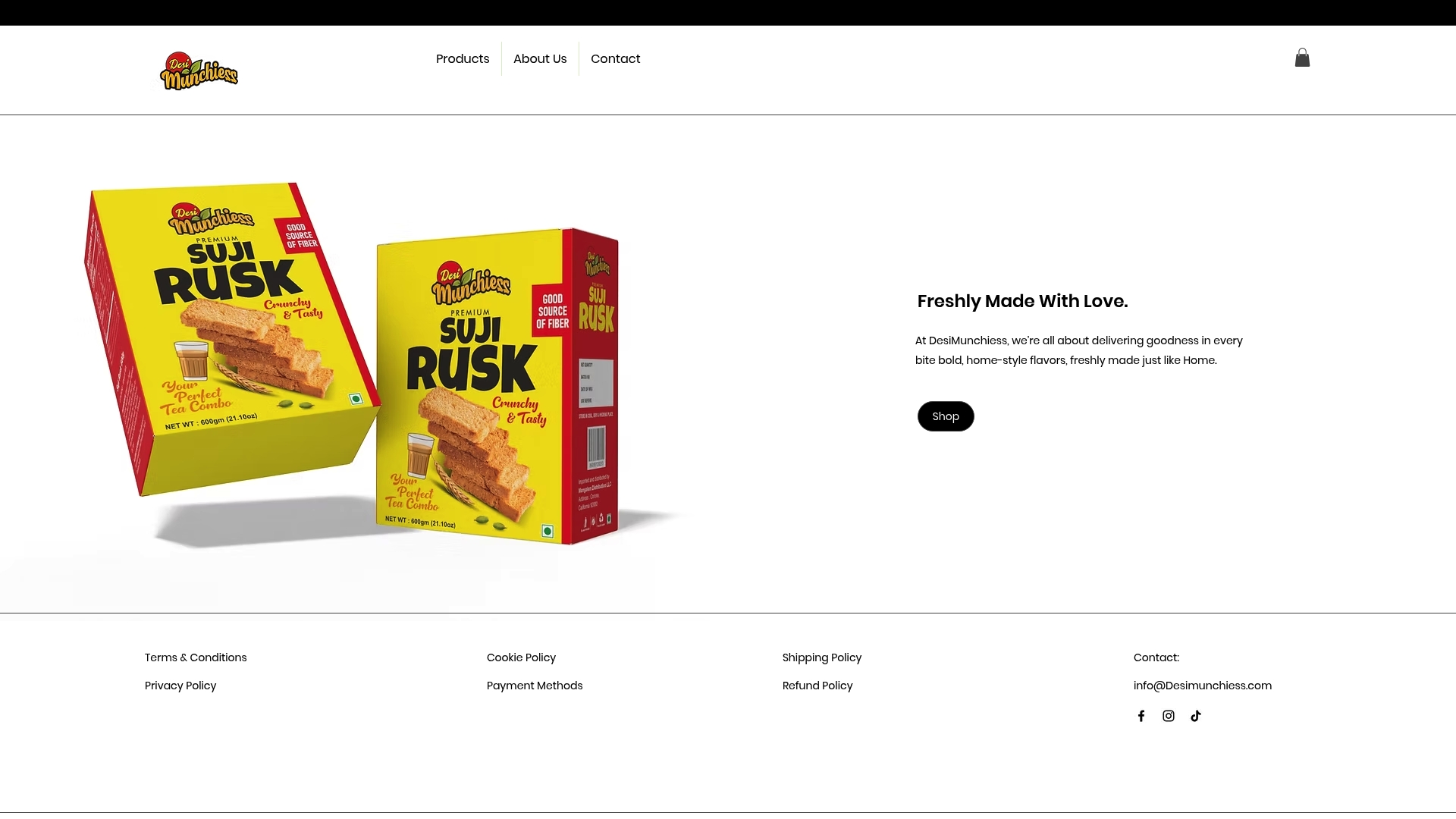
We built DesiMunchiess around the idea that snacks should taste like home, without the added sugar most packaged options sneak in. Our roasted chana, atta biscuits, and pickles made without added sugar come from small-batch kitchens using the same traditional recipes families have relied on for generations.
Roasted chana, a protein and fiber-forward pick that pairs well with yogurt.
Atta biscuits made for a straightforward, no added sugar snack.
Pickles and preserves without added sugar for a tangy, low-carb addition to any plate.
Browse the full lineup on our all-products page and find a snack that fits the way you already eat.
10. Where this guidance comes from
FDA guidance on added sugars: how to read the Nutrition Facts label.
American Diabetes Association: pairing and portioning guidance.
Professional diabetes nutrition resources: portion sizes and snack pairing examples.
How diet affects diabetes supply usage: background on snacking and diabetes management.
This article is general information, not a substitute for advice from a qualified doctor. Consult a qualified healthcare professional about your own circumstances before acting on anything here.
Sources
FAQ
Which is the healthiest Indian snack for low-sugar eating?
Roasted chana and makhana tend to top the list, since both are naturally low in carbohydrate and high in fiber or protein with no added sugar involved. Paired with a protein source and kept to a modest portion, either works well for steady blood sugar.
What sugar-free Indian sweets are available?
True sugar-free Indian sweets are uncommon, since most traditional mithai rely on sugar or jaggery for structure, not just flavor. Some brands make versions sweetened with alternative sweeteners, but checking the ingredient list is the only reliable way to confirm a specific product qualifies.
What snacks can I eat with no added sugar?
Roasted chana, makhana, plain roasted peanuts, paneer, unsweetened curd, and sprouts all fit without any added sugar. Check the Nutrition Facts label for the added sugars line to confirm, since 5% of the Daily Value or less counts as low.
Which Indian snacks work well for diabetes management?
Snacks that combine fiber or protein with a modest carbohydrate count, like roasted chana with yogurt or makhana with a handful of peanuts, fit the pairing approach recommended by the American Diabetes Association. Keeping portions near 15 to 20 grams of carbohydrate and avoiding added sugars in the ingredient list are the two habits that matter most.
Recommended
Comments